Saily eSIM Review (2026): Plans, Features and Who It Suits
A well-built, security-minded eSIM from the team behind NordVPN
Saily eSIM review: 200+ destinations, 1 GB to unlimited plans, a reusable eSIM and ad blocking from the NordVPN team. Pros, cons and who should skip it.
By NorwegianSpark Editorial — written with AI assistance and reviewed by the NorwegianSpark SA editorial team.
Is Saily a good eSIM? For most travellers, yes: it is a solid, easy-to-use travel eSIM from Nord Security, the company behind NordVPN, with per-country, regional and global data plans across 200+ destinations, one eSIM you reuse trip after trip, and built-in ad and malicious-site blocking. It is not always the cheapest — Saily's own FAQ concedes you may find lower prices elsewhere — and its standard plans are data-only. This review covers what you get, what the security pedigree does and does not buy you, and who should pick something else. For the wider comparison, see the best travel eSIMs in 2026.
What you get
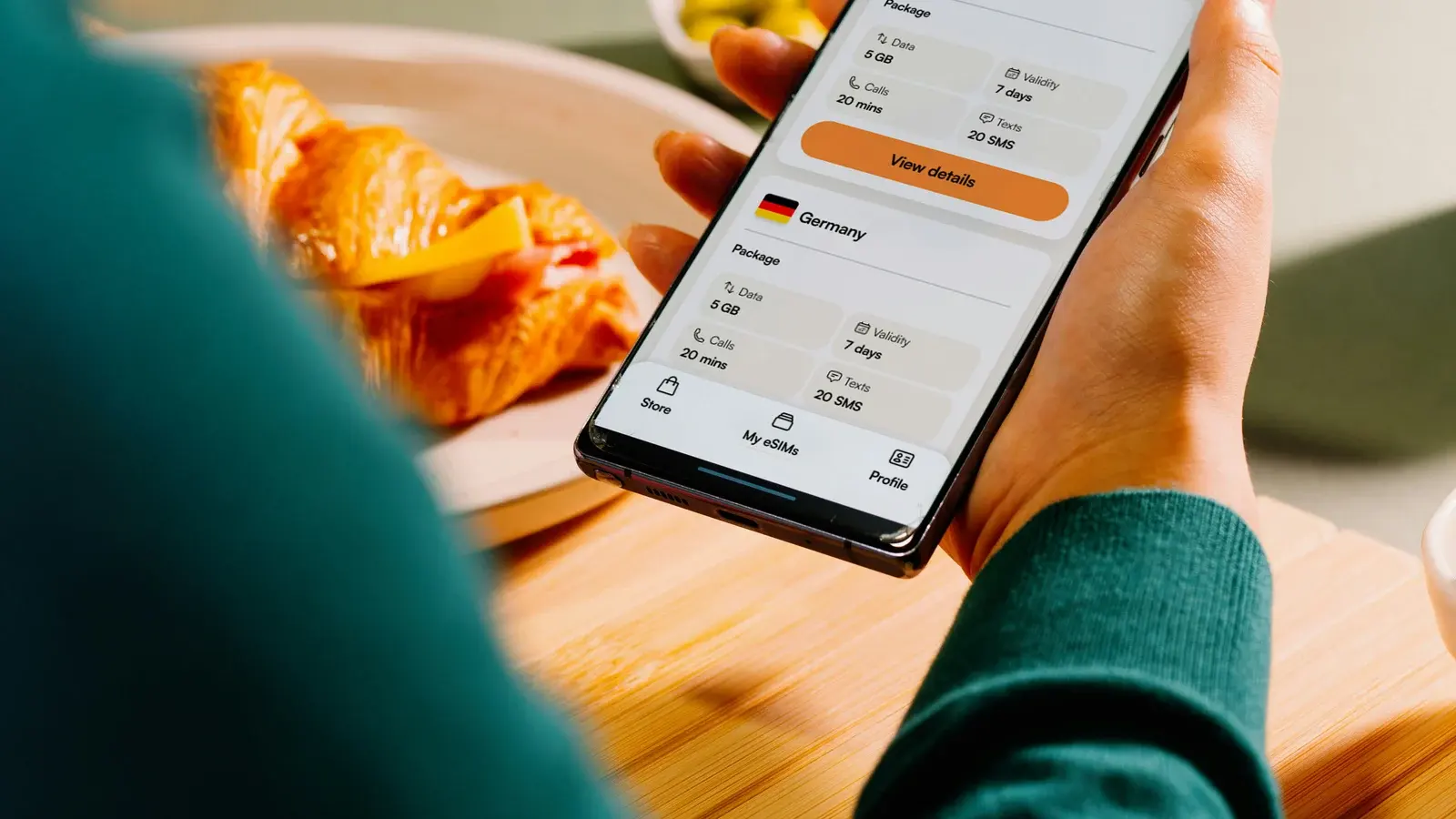
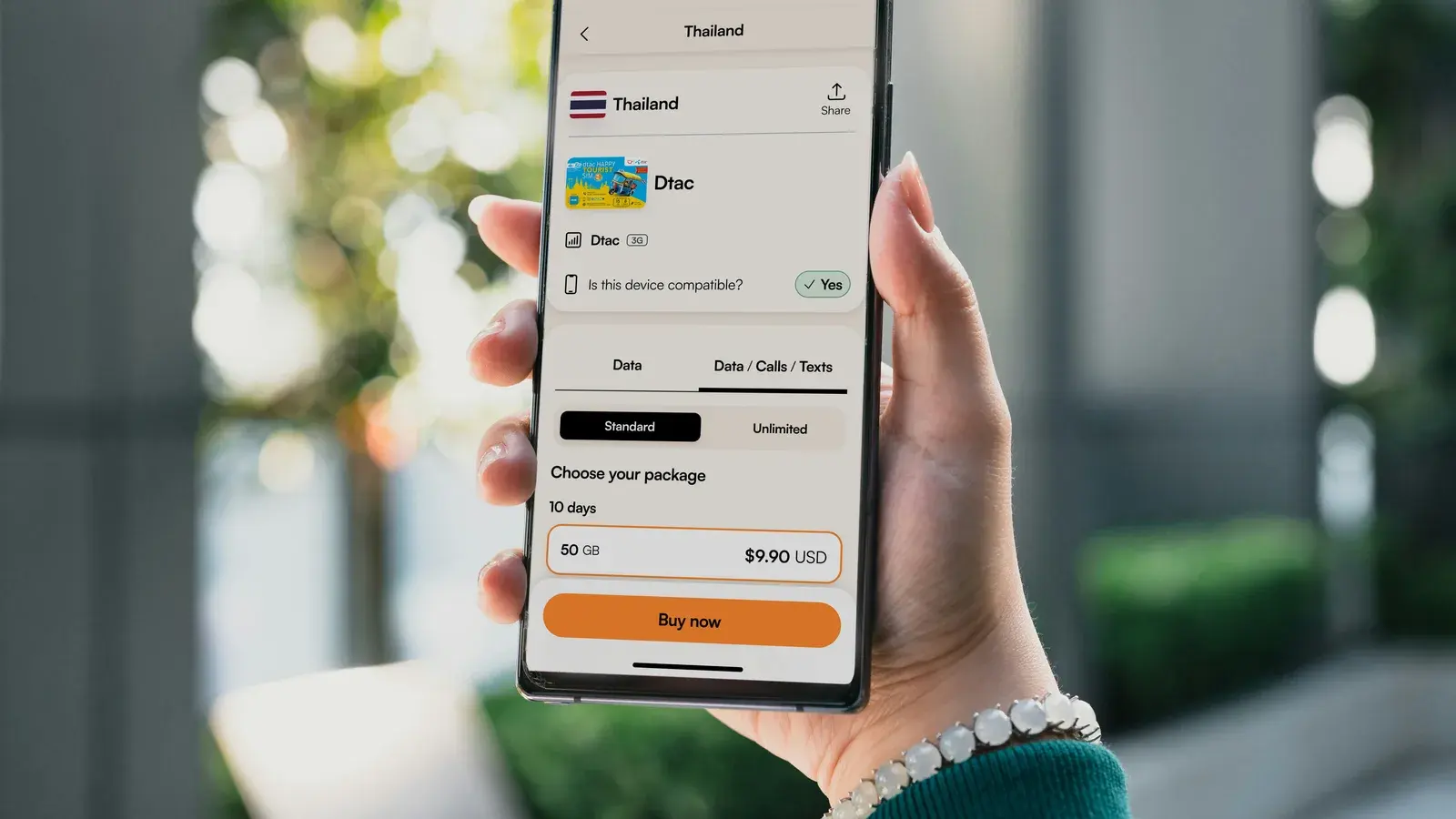
- Per-country and regional data plans across 200+ destinations, from 1 GB up to unlimited, bought and installed in a clean, well-designed app. Regional options include a Europe plan covering 35 countries and a Global plan covering 110+ destinations.
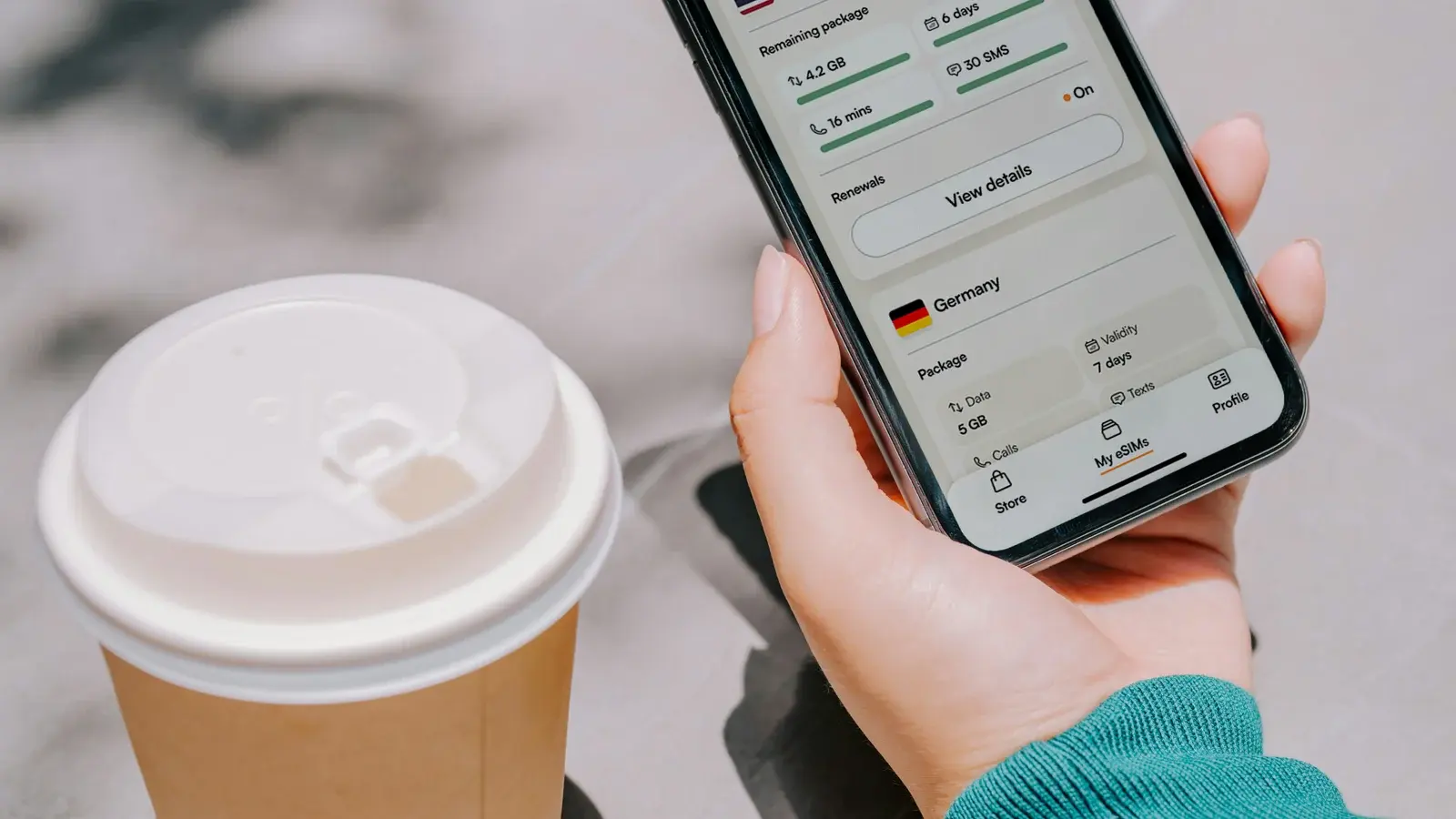
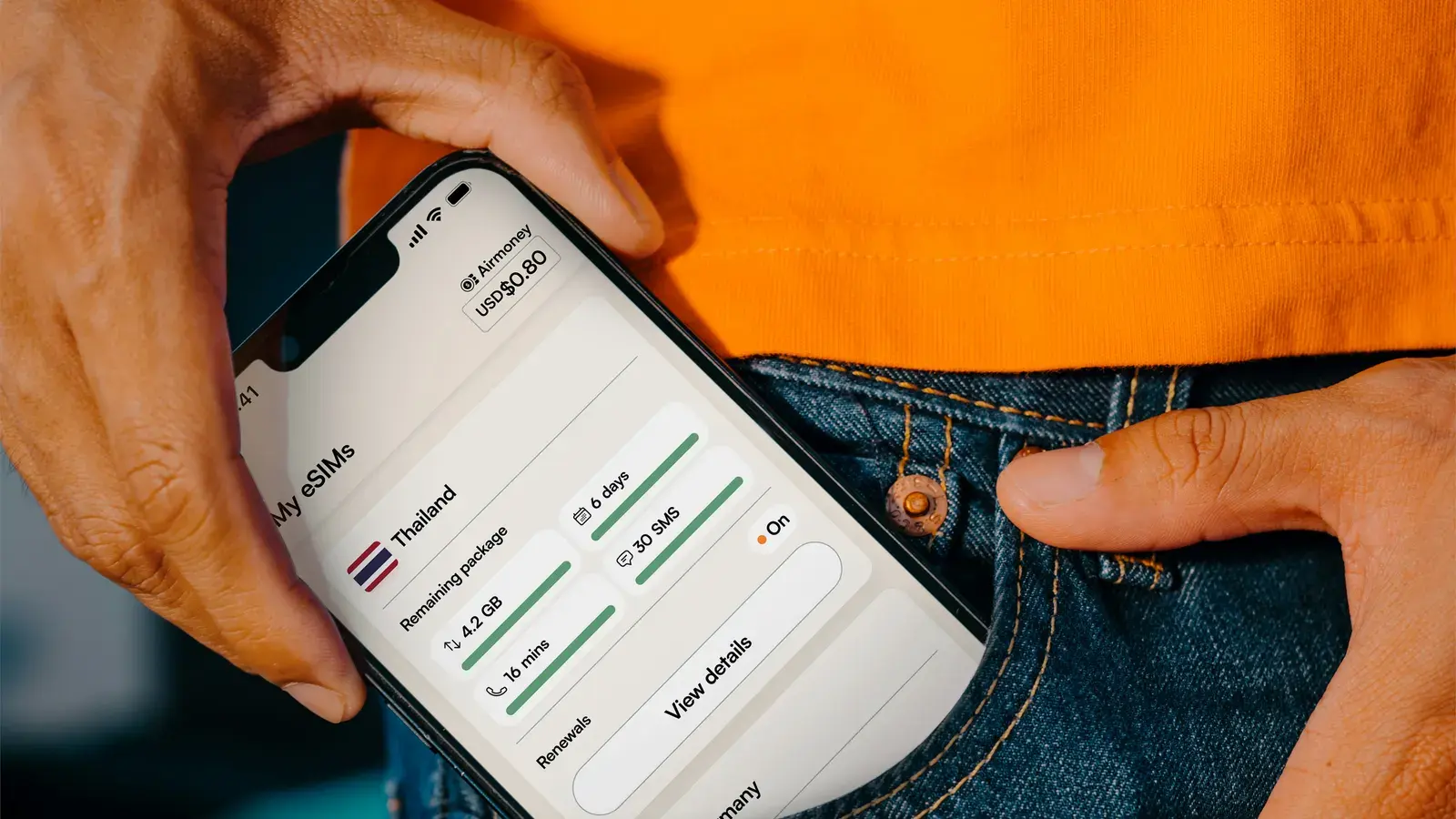
- One eSIM for every trip: Saily lets you add new destinations to the eSIM you already installed, so you top up rather than install a fresh profile each time.
- Automatic start: the plan activates when you reach your destination or 180 days after purchase, so you can set it up at home before you fly.
- The reliability and privacy focus of an established security company, rather than an anonymous reseller, plus built-in ad and malicious-site blocking.
- 24/7 customer support, and a setup that keeps your home number and messaging apps active alongside the eSIM.
- An optional US phone number for calls and texts, sold as a separate monthly subscription with identity verification in the app — a newer add-on, not part of the standard data plans.
On price, entry plans for popular European countries were listed from US$3.99 on Saily's site when we checked on 30 September 2026. Plan prices change often and vary by destination and data allowance, so confirm the current price for your exact country and trip length before you buy.
Partner
Undercover Tourist
Saily pros and cons
| Pros | Cons |
|---|---|
| Owned by Nord Security, the company behind NordVPN | Not always the cheapest per gigabyte, by Saily's own admission |
| 200+ destinations, plus Europe and Global regional plans | Standard plans are data-only: no local number |
| One reusable eSIM — top up for the next trip | Fixed-gigabyte plans suit light-to-moderate use, not all-day tethering |
| Built-in ad and malicious-site blocking | Network quality still depends on the local partner operator |
| 24/7 support and automatic activation on arrival | The US phone number is a separate paid subscription |
Partner
Saily
Per-country and regional travel data from the NordVPN team — reliability and privacy from a known name.
Who it suits
Saily is a natural pick if you already use NordVPN or simply prefer buying from an established security brand rather than a marketplace you have never heard of. The app experience is a genuine strength, and the privacy angle appeals to travellers who think about data protection on public networks. Most of its plans are metered — a fixed number of gigabytes — so, like Airalo, those suit normal-to-moderate use rather than all-day tethering; Saily also lists unlimited plans if you would rather not count.
Two things to settle before you buy, and they apply to every travel eSIM rather than Saily specifically. Your phone must be eSIM-capable and not carrier-locked, or the profile will simply refuse to install — check both at home, where it is fixable. And Saily's data plans are data-only, so SMS two-factor codes will still arrive on your home number, not on the eSIM: keep that line enabled to receive texts, or move the account to an authenticator app before you travel. (Saily's optional US phone number is a separate subscription, not a local number for the country you are visiting.) What is an eSIM covers the mechanics, and eSIM versus physical SIM covers the cases where a local SIM is still the better buy.
What a security pedigree does and does not buy you
It is worth being precise about this, because it is the whole pitch and it is easy to over-read. What a background in consumer security plausibly transfers is the part of the product the company actually controls: an app built by people who ship consumer software for a living, an account and payment system run by a firm with a reputation to protect, and support processes that exist. Those are real advantages, and anyone who has wrestled with a thinly-staffed reseller will value them.
What it does not transfer is the network. Saily does not own masts any more than its rivals do; in each country your phone connects to a local operator under a contract Saily has arranged. So the signal strength on a Greek island or in a Japanese basement owes nothing to anybody's encryption expertise. Treat the pedigree as a reason to trust the app, the billing and the support — which is a perfectly good reason — rather than as a claim about coverage or speed, which it is not.
The same caution applies to bundled protective features where a plan includes them. Blocking advertising and tracking domains at the network level is genuinely useful and genuinely modest: it reduces what third parties can gather as you browse and it can save a little data, and it is not the same thing as a full private tunnel. If comprehensive protection on hotel and airport wi-fi is what you are after, that is a separate product and worth treating as one.
What to check before you buy
- The exact country list for the plan, checked against every country on your itinerary.
- The validity period, and whether the clock starts at purchase or at first connection abroad.
- Whether a top-up extends that period or only adds data within the days remaining.
- Whether tethering a laptop or tablet is permitted on the plan you are buying.
- What the plan actually includes beyond data, if the security features are part of your reason for choosing it.
- Recent user reports for your specific destination rather than the brand's overall rating.
How it compares
Against Airalo, Saily offers a comparable metered model with a stronger security story but slightly narrower plan variety — Airalo remains the broadest for coverage and value (see our Airalo review). Against Yesim, the difference is flexibility: Yesim offers more plan formats including pay-as-you-go and global plans. Compare the exact plan you need for your destination.
The more useful way to run that comparison is to stop comparing brands and compare plans. Take your actual country list and your actual trip length, find the plan each provider would sell you for exactly that, and put the three side by side on price, validity and top-up behaviour. Providers that look far apart in a review frequently converge once you constrain them to one real itinerary — and where they do converge, choosing on app quality and support, which is where Saily is strongest, is an entirely rational tie-breaker.
Who should choose something else
Saily is a poor fit in three situations, and it is fairer to say so than to pretend otherwise. Heavy, sustained use — a laptop tethered through a working day — suits a metered plan badly whoever sells it. A long stay in a single country is better served by a local prepaid plan, which will usually cost less per gigabyte and comes with a local number. And if you need to receive local calls or texts at all, no data eSIM will do it; eSIM versus physical SIM covers that case properly.
Verdict
Saily is a solid, trustworthy travel eSIM with a better-than-average app and a security brand behind it. For most travellers it is a close alternative to Airalo rather than a clear leap ahead — choose it if the Nord pedigree and app quality matter to you. If it is specifically the security-brand pitch that appeals, compare it against Holiday.com, which makes the same argument from the ExpressVPN side but sells one reusable global profile rather than per-country plans. For a single European trip, the best eSIM for Europe in 2026 is the more direct comparison. Confirm current plans and pricing on Saily's page before buying.
Frequently asked questions
Who is behind Saily?
Nord Security, the company behind NordVPN — which is why it arrives with a polished app and a reputation for reliability and privacy.
How many destinations does Saily cover?
Per-country and regional data plans across more than 200 destinations, bought and installed through its own app.
Saily or Airalo — which should you pick?
Saily offers a comparable metered model with a stronger security story but slightly narrower plan variety. Airalo remains the broadest. Pick Saily if you already use NordVPN or prefer buying from an established security brand.
What should you check before buying any travel eSIM?
That your phone is eSIM-capable and not carrier-locked. This applies to every travel eSIM rather than Saily specifically, and it is far easier to resolve at home than abroad.
When does a Saily plan start?
Saily says a plan activates automatically when you reach your destination or 180 days after purchase — so you can install it at home and buy well ahead of the trip.
Does Saily give you a phone number?
Its data plans are data-only and your home number stays active alongside them. Separately, Saily sells an optional US phone number for calls and texts as a monthly subscription, which requires identity verification in the app.
Is Saily legit?
Yes. Saily is owned by Nord Security, the company behind NordVPN and NordPass, and sells its plans through its own app on the App Store and Google Play. If you are still weighing destinations, our [country eSIM guides](/esim) cover the most-visited ones.
Continue Reading
More from the Journal



Continue in this collection

Travel Planning
Budgeting, insurance and concierge services, judged on what they do when a trip goes wrong.

Travel Guides
Destination guides written to be used on the ground: where to stay, eat, and what to skip.

5-Star Hotels
What actually earns the fifth star, and which properties are coasting on one they were given years ago.