Yesim Review: Flexible Travel Data and a Global Option
Per-country, regional and pay-as-you-go plans across 150+ destinations
Yesim review: per-country, regional and global travel eSIMs plus pay-as-you-go data. Who it suits, when the global plan is a false economy, and its limits.
By NorwegianSpark Editorial — written with AI assistance and reviewed by the NorwegianSpark SA editorial team.
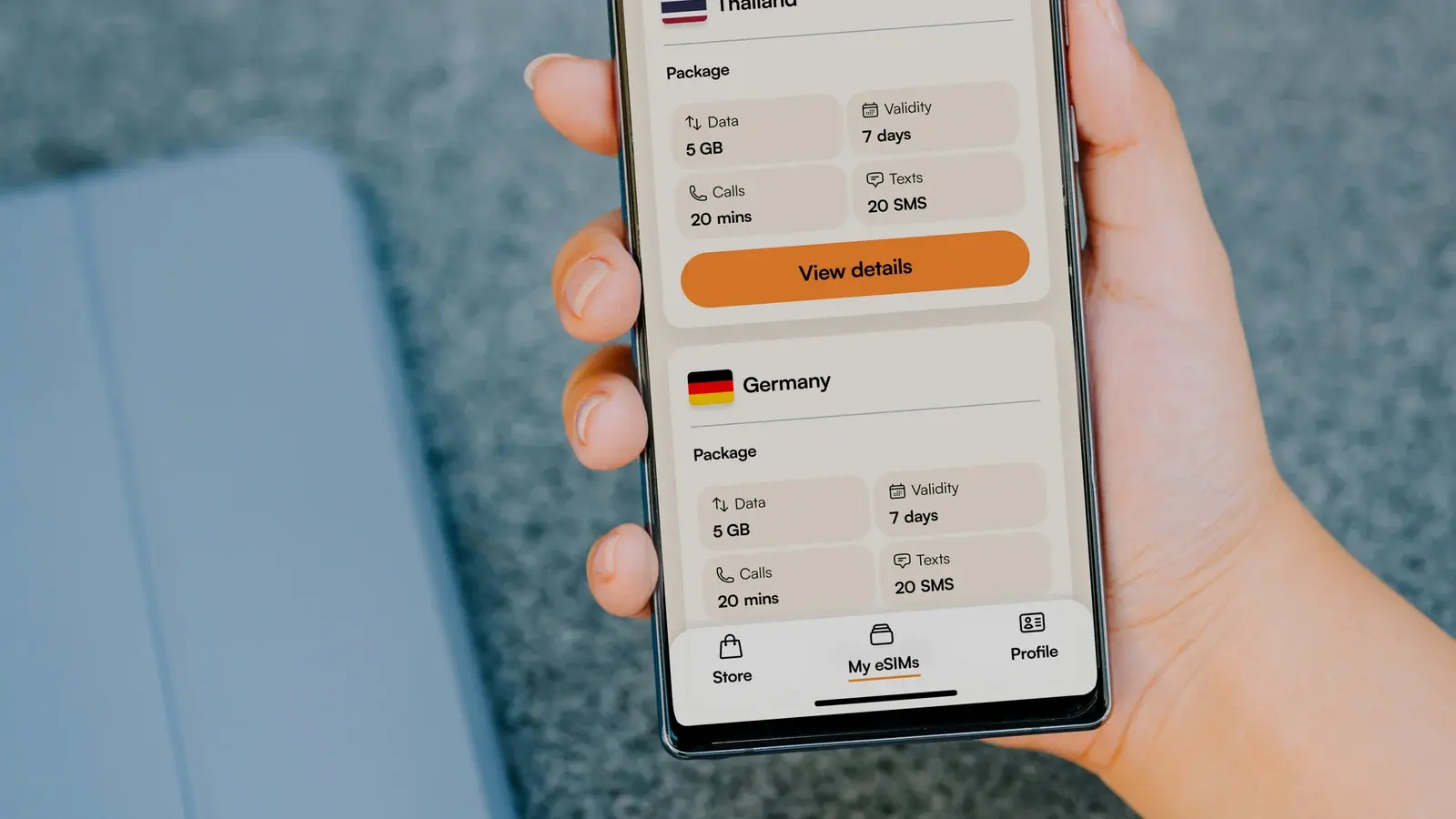
Yesim is a travel eSIM covering 150+ destinations, notable for flexible plan formats — per-country and regional data alongside pay-as-you-go and a global option. That flexibility makes it a genuine alternative to the bigger marketplaces, especially for travellers whose usage is hard to predict. This review looks at how it works and who it suits. For the full comparison, see the best travel eSIMs in 2026.
What you get
- Per-country and regional plans across 150+ destinations, plus pay-as-you-go and a global plan.
- A global option for frequent, multi-country travellers who want one plan to fall back on.
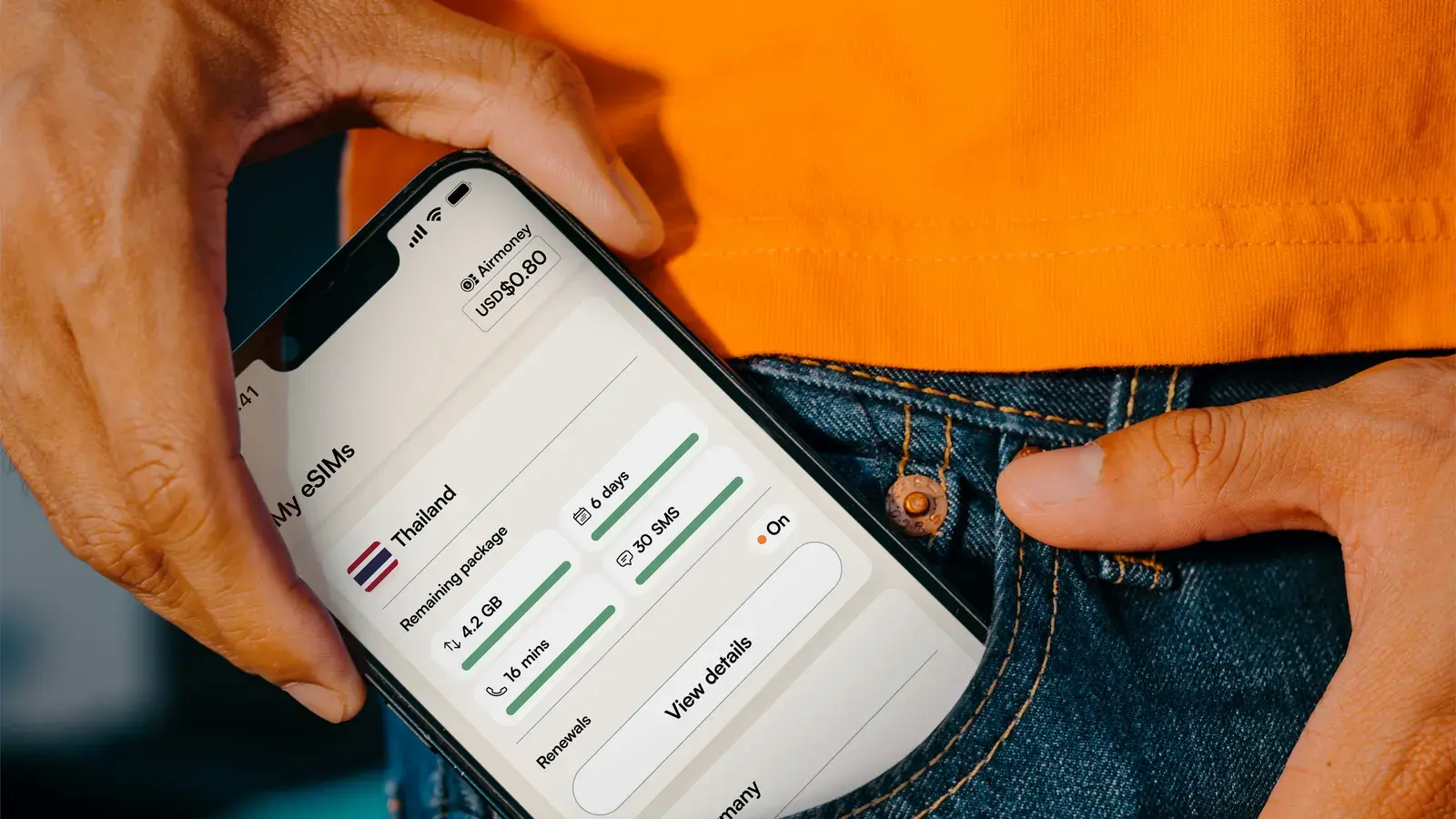
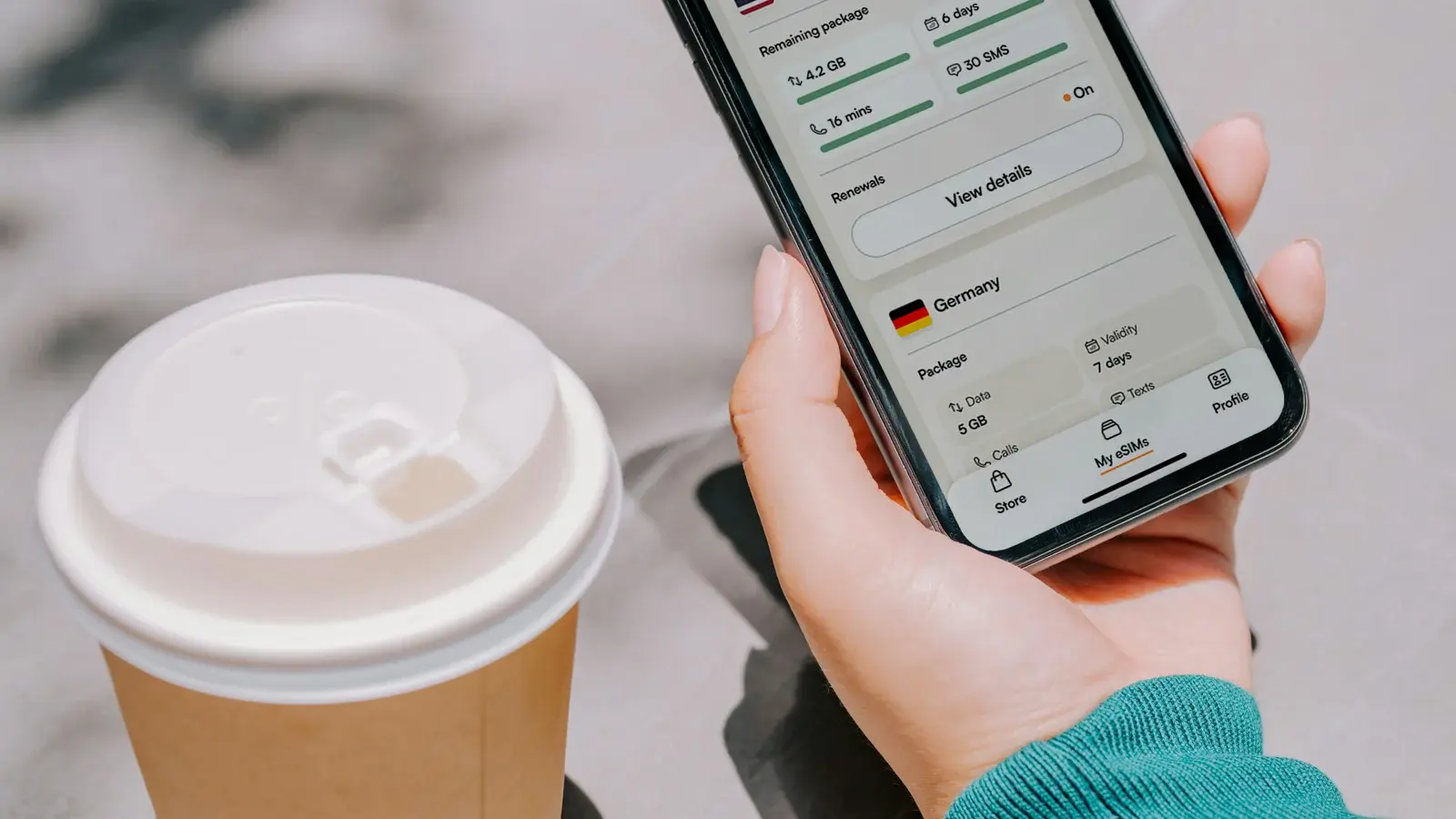
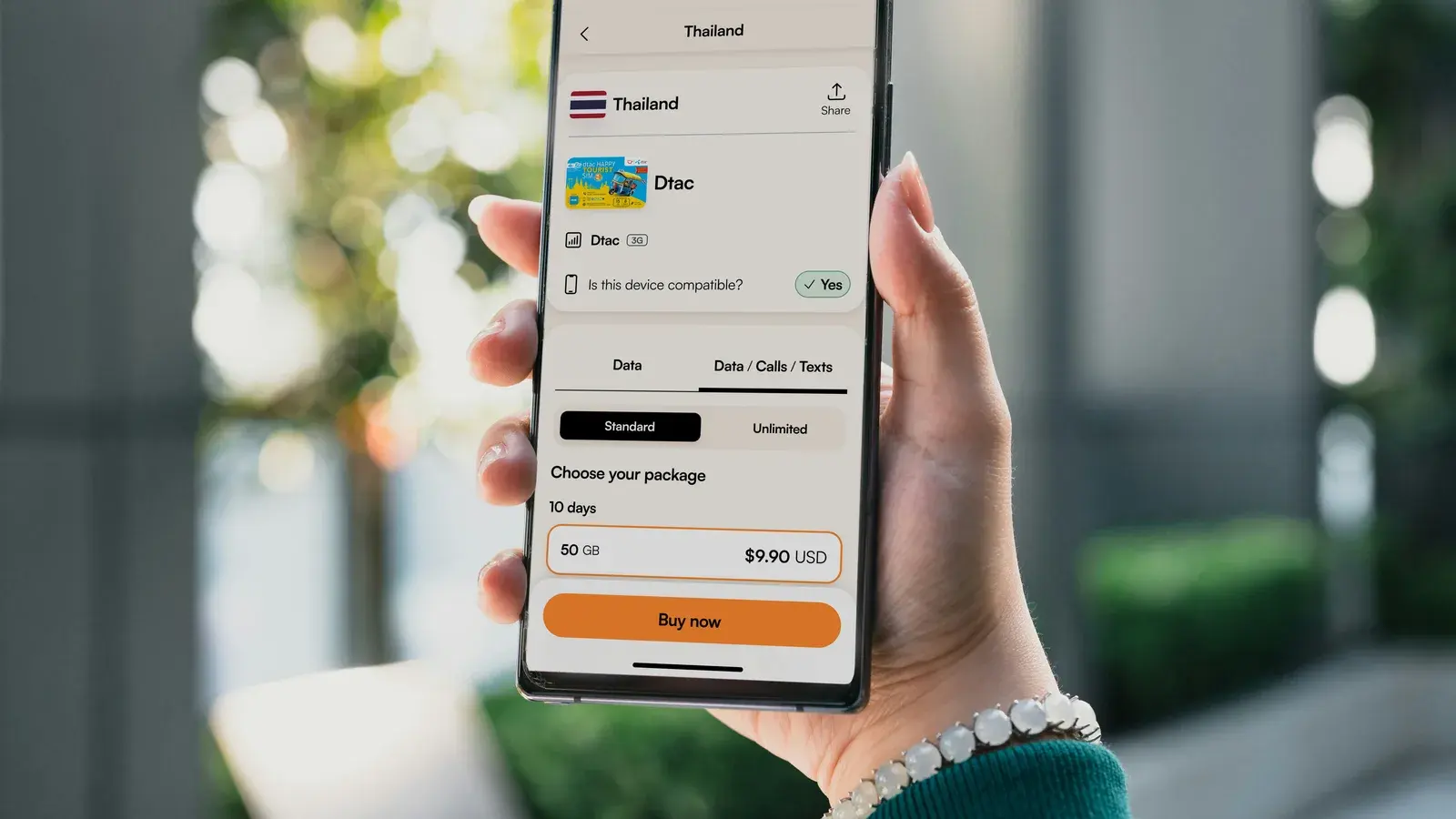
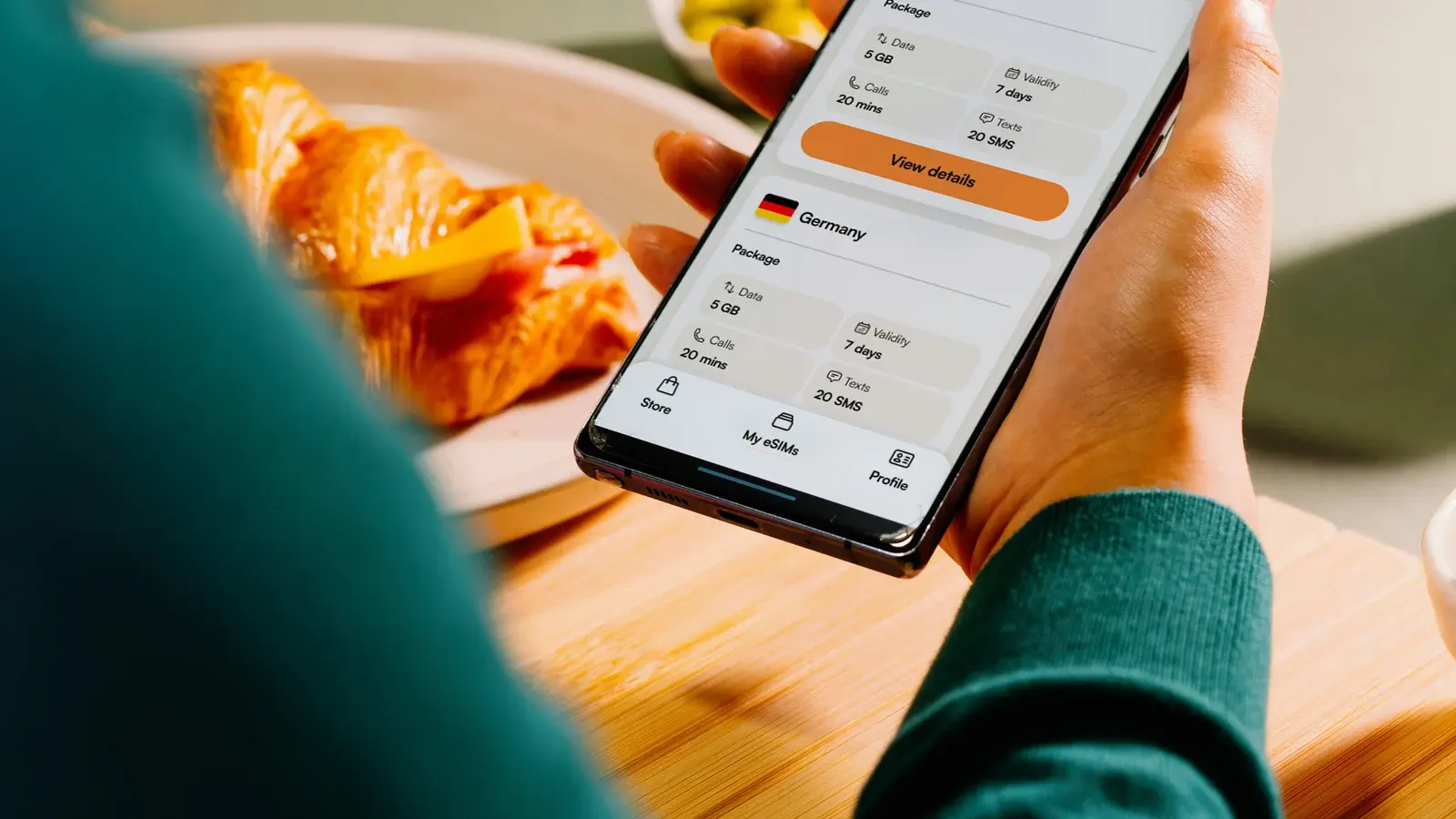
- A capable app with instant install — buy before you fly, switch on when you land.
- Your home number and messaging apps stay active alongside the data plan.
Partner
Yesim
Flexible travel data — per-country, regional, pay-as-you-go and global — across 150+ destinations.
Who it suits
Yesim is worth a look if you value flexibility over the very broadest coverage. The pay-as-you-go and global formats suit travellers whose data needs vary trip to trip, or who visit several countries in quick succession and would rather not buy a new plan each time. For sheer country coverage, Airalo remains broader — so compare the exact plan you need for your destination in Airalo vs Yesim.
Why plan format is a real distinction, not marketing
Most travel eSIMs sell one shape of product: a fixed allowance of data, valid for a fixed number of days, in a fixed set of countries. That shape is efficient when you can predict your usage and your route. It is inefficient in two specific situations, and those situations are where a different format earns its place.
The first is unpredictable consumption. If your data use swings between almost nothing on a walking week and a great deal on a working one, a fixed allowance forces you to choose between over-buying every time and topping up under pressure. A pay-as-you-go format shifts that risk, at the cost of needing to keep an eye on a balance. The second is an unpredictable route — a trip whose country list may change, or one that touches several regions rather than sitting neatly inside one. A global format is generally worse value per gigabyte than a well-chosen local plan, and better value than buying four separate local plans you only half use.
So the honest framing is not that flexibility is better. It is that flexibility is a product you pay for, and it is worth paying for exactly when your itinerary or your usage refuses to sit still. If both are known, buy the fixed plan and pocket the difference.
What to check on the product page
Yesim's range makes the checks below more useful than they would be with a single-format provider, because two of its plans can look similar in a list and behave quite differently in your hand. Before buying, confirm the exact country list for the plan rather than the region's name, since regional products are defined by a list and not by a map. Confirm the validity period and when the clock starts. Confirm how a top-up interacts with that period. If you are using a pay-as-you-go format, confirm how the balance is consumed and what happens when it runs out mid-session. And confirm whether tethering to a laptop or tablet is permitted, which varies by plan rather than by provider.
Setting it up
Setup follows the usual eSIM routine: buy your plan in the app, install the eSIM when prompted, and turn it on when you arrive. Install before you fly, while you still have your home connection. New to eSIMs? Our what-is-an-eSIM guide covers compatibility and installation step by step.
Two settings decide whether it works on landing, and both are easy to miss. Data roaming has to be enabled on the travel line specifically — the setting is per line, and leaving it off is the single most common reason a correctly installed eSIM shows a signal and moves no data. And the travel line has to be selected as the line for mobile data, rather than merely being present alongside your home line. Set both before you take off, and leave your home line active for text messages with its own data roaming switched off.
The global plan, and when it is a false economy
A global plan is the format most likely to be bought for the wrong reason, so it deserves a clear-eyed look. What it buys is coverage breadth on a single purchase: one plan, one profile, many countries, no decision to make each time you land. What it costs is value per gigabyte, because a product that must work almost anywhere is priced against the most expensive networks in its footprint, not the cheapest. That is not a criticism of the format; it is simply what breadth costs.
The result is a clean rule. A global plan is good value when your itinerary is genuinely scattered across regions, or genuinely unknown at the time of purchase, because the alternative is several plans of which you will waste most. It is poor value on a trip you could describe in advance, where a regional or local plan covering exactly those countries will cost less for the same data. The mistake is buying breadth as insurance against a decision you could simply make.
Who it suits, in one list
- Travellers whose data use varies enough between trips that a fixed allowance is either wasted or exhausted.
- Itineraries that may change after purchase, where committing to a country list is uncomfortable.
- Multi-region trips where the alternative is several separate plans, most of them only half used.
- Anyone who values one profile and one balance over squeezing out the last of the value.
- Not the right fit: a single country, a known trip length and ordinary usage — buy the fixed local plan instead.
- Not the right fit either: a month or more in one country, where a local prepaid plan will beat any travel eSIM.
The limits worth knowing
Two constraints apply to Yesim as they do to the category. It is data-only, so it does not give you a local number and cannot receive an ordinary text message. That matters most for one-time security codes: those go to your home number, so keep that line able to receive texts, or move the account to an authenticator app before you travel. And like every reseller, Yesim carries your traffic over local operators' networks rather than its own, so performance is a function of the host network in each country rather than of the brand. Check reviews for your destination, not the company's global average.
A fair counter-argument to choosing Yesim at all: if your trip is one country, of known length, with predictable usage, then the flexibility you are buying has no work to do, and a straightforward local plan from a broader marketplace is likely to be both cheaper and simpler. Flexibility is worth paying for when it is load-bearing and worth avoiding when it is not.
Verdict
Yesim is a flexible, capable travel eSIM that rewards travellers who want options beyond a fixed allowance. Check its price and format against Airalo for your specific trip, and confirm current plans on Yesim's page before buying.
Partner
Yesim
Pick your destination and format, and land already connected.
Continue Reading
More from the Journal


Continue in this collection

Travel Planning
Budgeting, insurance and concierge services, judged on what they do when a trip goes wrong.

Travel Guides
Destination guides written to be used on the ground: where to stay, eat, and what to skip.

5-Star Hotels
What actually earns the fifth star, and which properties are coasting on one they were given years ago.