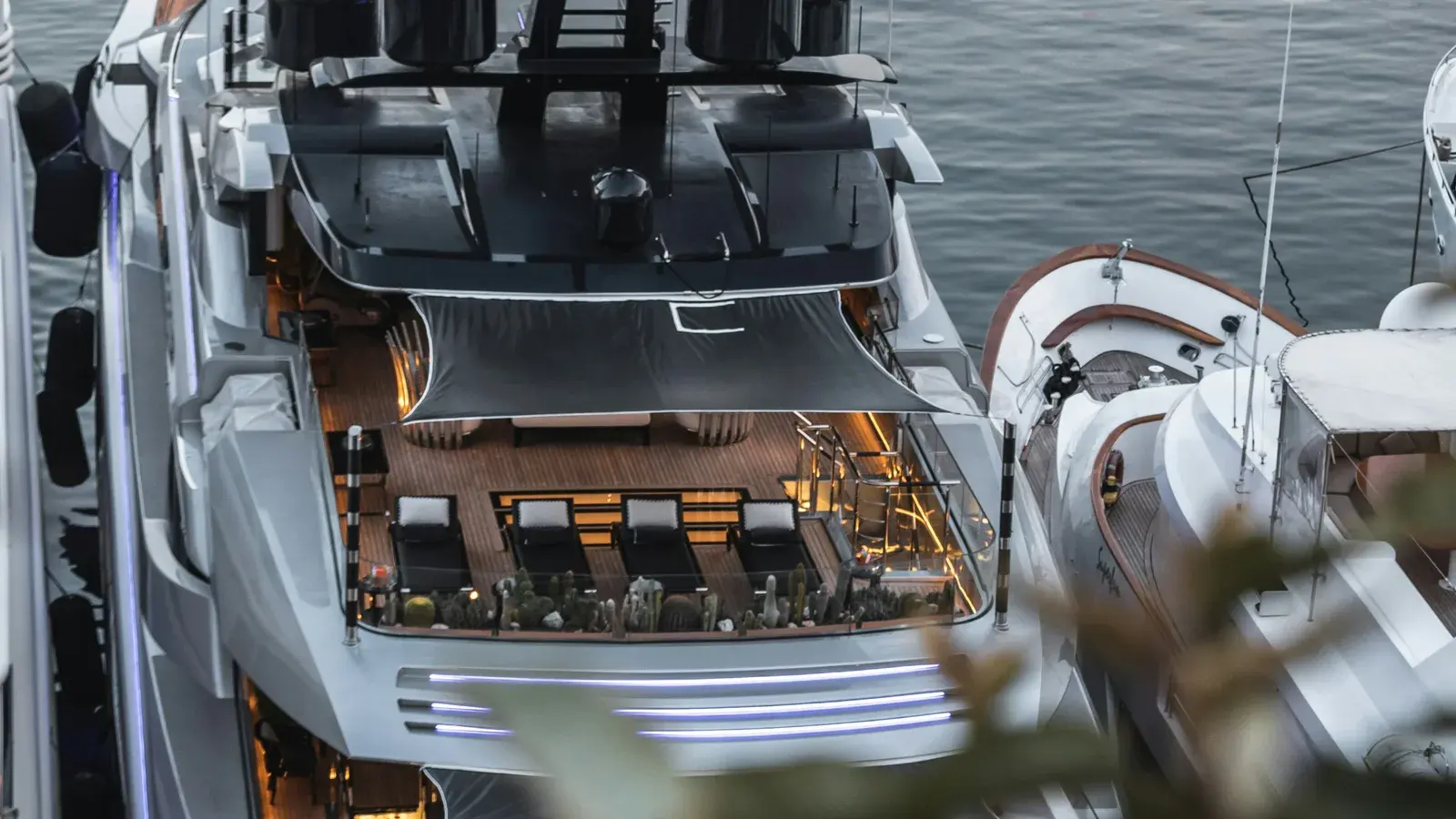
Chartering a Yacht in the Mediterranean
How a week on the water actually works — and what it costs you in planning
Chartering a yacht in the Mediterranean: crewed, skippered or bareboat, how a charter is priced, choosing the boat, the contract, and wind and weather.
By NorwegianSpark Editorial — written with AI assistance and reviewed by the NorwegianSpark SA editorial team.
What a Charter Week Looks Like
A Mediterranean charter is the closest thing to a private, moving villa — you wake in a different bay each morning, swim before breakfast, and let the crew handle the rest. A typical week runs port to port along a coast: the French Riviera and Corsica, the Amalfi Coast and Capri, or the Greek islands. The appeal is freedom. You are not tied to one resort or one beach, and the best anchorages are reachable only by water. The trade-off is planning: a charter takes more forethought than a hotel, and the good boats and crews book up many months ahead, especially for peak summer weeks.
Crewed, or Skippered, or Bareboat?
The first decision is how hands-on you want to be. A fully crewed yacht — captain, chef, and deckhand — is the luxury option: you simply enjoy the trip while the crew cooks, navigates, and tends the toys. A skippered charter gives you a professional at the helm without full hotel service, a middle path that suits competent groups. Bareboat, where you sail it yourself, is only for the genuinely qualified. For most travellers seeking a luxury week, crewed is the answer, and it pairs naturally with our French Riviera guide for the western Mediterranean.
“A charter is not about the boat so much as the bays — the swim stops you could never reach any other way.”
Planning the Week Well
Build the route around the crew's local knowledge rather than a fixed checklist; the best captains know which bay will be sheltered on a given wind and which town is worth the evening. Pre-book any on-shore highlights — a restaurant in Capri, a tour from a port town — because the prime slots vanish in season. And keep the itinerary loose enough to chase good weather. For travellers weighing the Greek route instead, our Santorini versus Mykonos guide covers that end of the sea, while our 2026 destinations roundup sets the charter against land-based alternatives.
Partner
PeraSail — Yacht Charter, the Amalfi Coast
Yacht charters in the Amalfi Coast on PeraSail — listings with live availability, bareboat or skippered where offered.
How a Charter Is Actually Priced
This is where first-time charterers get their biggest surprise, and it is entirely avoidable. The headline figure quoted for a crewed yacht is the charter fee: it buys the boat and the crew for the week and almost nothing else. On top of it sits an advance provisioning allowance, a sum paid to the captain before departure and drawn down against the trip's actual running costs — fuel, food, wine, berthing fees, port charges, laundry and the like. It is reconciled at the end of the week, with the balance returned or the shortfall settled, and the captain should provide an accounting. Add tax, which in the Mediterranean depends on where you cruise and under what arrangement the yacht operates, and which should be stated explicitly in the contract rather than discovered later. Add delivery or redelivery charges if you want to embark in one country and disembark in another. And add a crew gratuity, which is customary and discretionary and which you should ask your broker to characterise for the specific boat rather than guessing. None of these are hidden fees; they are simply how the industry quotes. But a budget built on the charter fee alone will be wrong by a wide margin, so ask for a full illustrative costing before you fall in love with a boat.
Choosing the Boat, Not the Photograph
Length is the number everybody quotes and the least useful one. What decides how the week feels is the layout. Count cabins rather than berths, and look at whether they are genuinely equivalent — many yachts have one magnificent master and three considerably smaller doubles, which is a problem to solve before departure rather than at the top of the gangway. Commercial charter yachts are generally limited to twelve guests sleeping on board, so a larger group means two boats travelling together, which works well but doubles the planning. Motor yachts cover ground quickly and give you more interior space and stabilisation at anchor; sailing yachts are quieter, heel under way, and appeal to people who want the passage to be part of the point. Ask about stabilisers if anyone in the party is prone to seasickness, and ask what tenders and water toys are actually aboard, because the brochure photograph of a jet ski is not a guarantee that one is on the boat this season.
The Broker, the Contract and the Preference Sheet
Charters are booked through brokers, and a good one earns their commission several times over. Their job is to know the individual boats and crews rather than the listings — which captain is brilliant with children, which chef is worth building a week around, which yacht looked immaculate two seasons ago and no longer does. Ask a prospective broker how recently they or a colleague have been aboard the specific vessel. The contract is usually a standard industry charter agreement, and the clauses to read carefully are the cancellation terms, what happens if the yacht becomes unavailable, how the provisioning allowance is accounted for, and where liability sits for weather-forced itinerary changes. Before departure you will complete a preference sheet covering food, drink, allergies, sleeping arrangements and what you want from the week. Fill it in seriously and in detail; it is the single highest-leverage half hour of the whole booking, and vague answers produce a generic week.
Wind, Weather and the Shape of the Route
The Mediterranean is not a uniformly calm sea, and its local winds are named because they are predictable enough to plan around. The Aegean's summer meltemi can blow hard for days and will reshape a Greek itinerary; the north-western Mediterranean has its own strong seasonal winds off the French coast. This is precisely why a fixed, published itinerary is a bad sign rather than a reassuring one. The right way to plan is to agree a rough shape with the captain — which islands, roughly how much time at sea each day, which one or two things are non-negotiable — and leave the daily decisions to the person reading the forecast. Peak weeks around the summer's major events carry premiums and minimum stays, and berths in the fashionable ports can be genuinely unobtainable in August, which is another argument for June and September. Anchoring in a quiet bay is usually the better night anyway.
- Ask for a full illustrative cost, not the charter fee: provisioning allowance, tax, delivery and gratuity included
- Count cabins, and check whether they are equivalent — one master and three small doubles is a conversation to have early
- Confirm what tenders and toys are aboard this season, not in the brochure photographs
- Ask how recently your broker or their colleague has physically been on the boat
- Read the cancellation clause and the yacht-unavailability clause before anything else in the contract
- Fill the preference sheet in properly — it is what turns a generic week into a tailored one
- Agree a shape with the captain rather than a fixed itinerary, and let the forecast decide the days
Who Should Not Charter
It is worth saying clearly, because the format is sold hard and suits fewer people than the marketing suggests. If anyone in the party is badly affected by motion, a week aboard is a week of managing that, and no amount of stabilisation fixes it entirely. If you want to be ashore every evening in a different town with a restaurant booking, the boat becomes an expensive and inconvenient hotel. If your group needs a lot of personal space, a yacht is smaller than its photographs and you will be together, all week, in a way that is either delightful or exhausting depending on the group. And if the budget is stretched by the charter fee alone, the true all-in cost will not work. The travellers who love charters are the ones who want the swimming, the anchorages and the crew's cooking, and who are relaxed about where they end up each night. If that is not you, a coastal villa with a boat hired for two days will deliver most of the pleasure at a fraction of the commitment — our French Riviera guide and Santorini versus Mykonos comparison cover the land-based versions of both coasts.
Partner
Pelago
For port-day tours, tastings, and shore excursions along your charter route, we book through Pelago to lock in the better small-group options.
Continue Reading
More from the Journal

Continue in this collection

Yachts, Sailing & Classic Boats
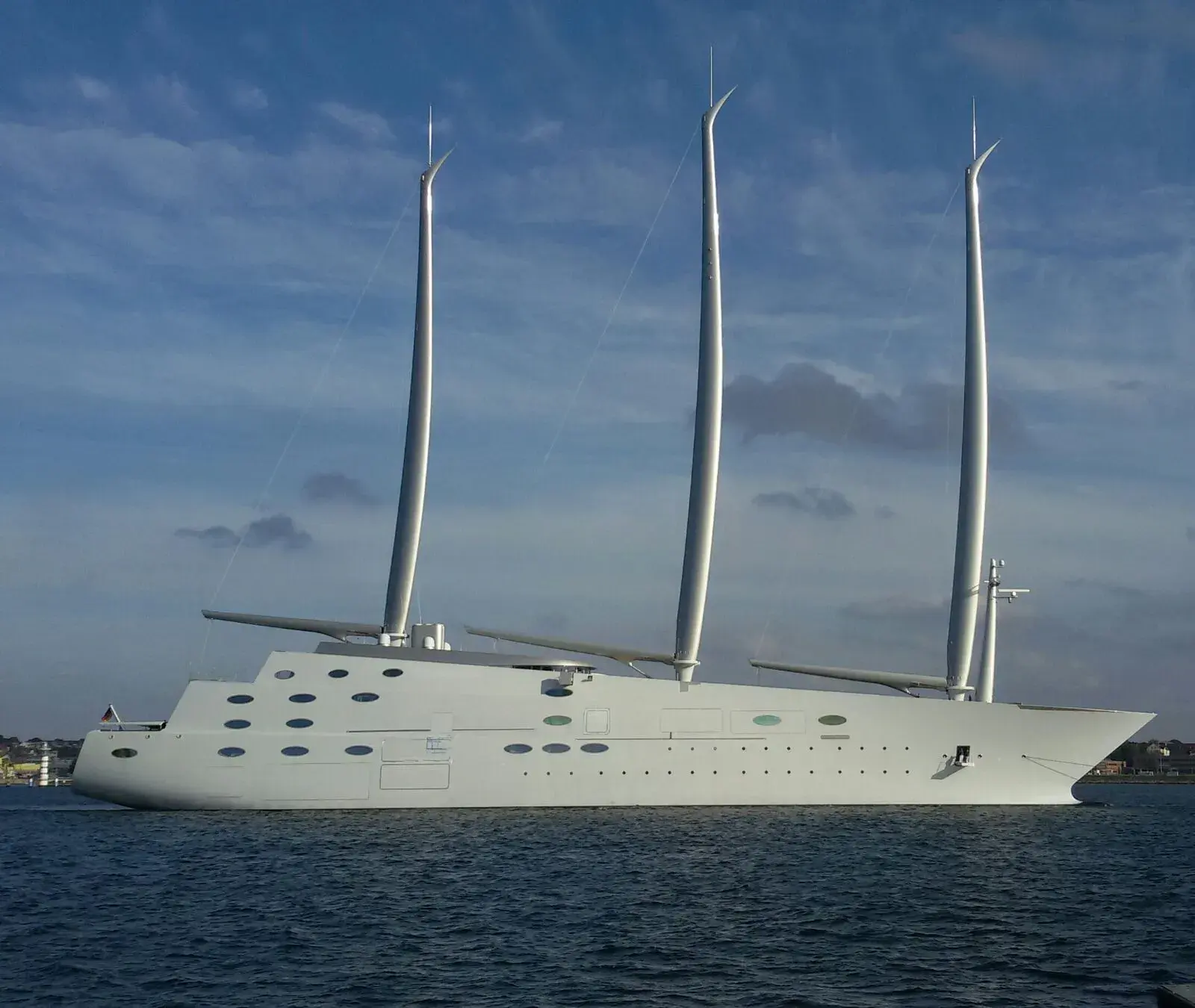
Sailing yachts, catamarans and the beautiful old ones — the hull decides more of the week than the coastline does.

Luxury Destinations
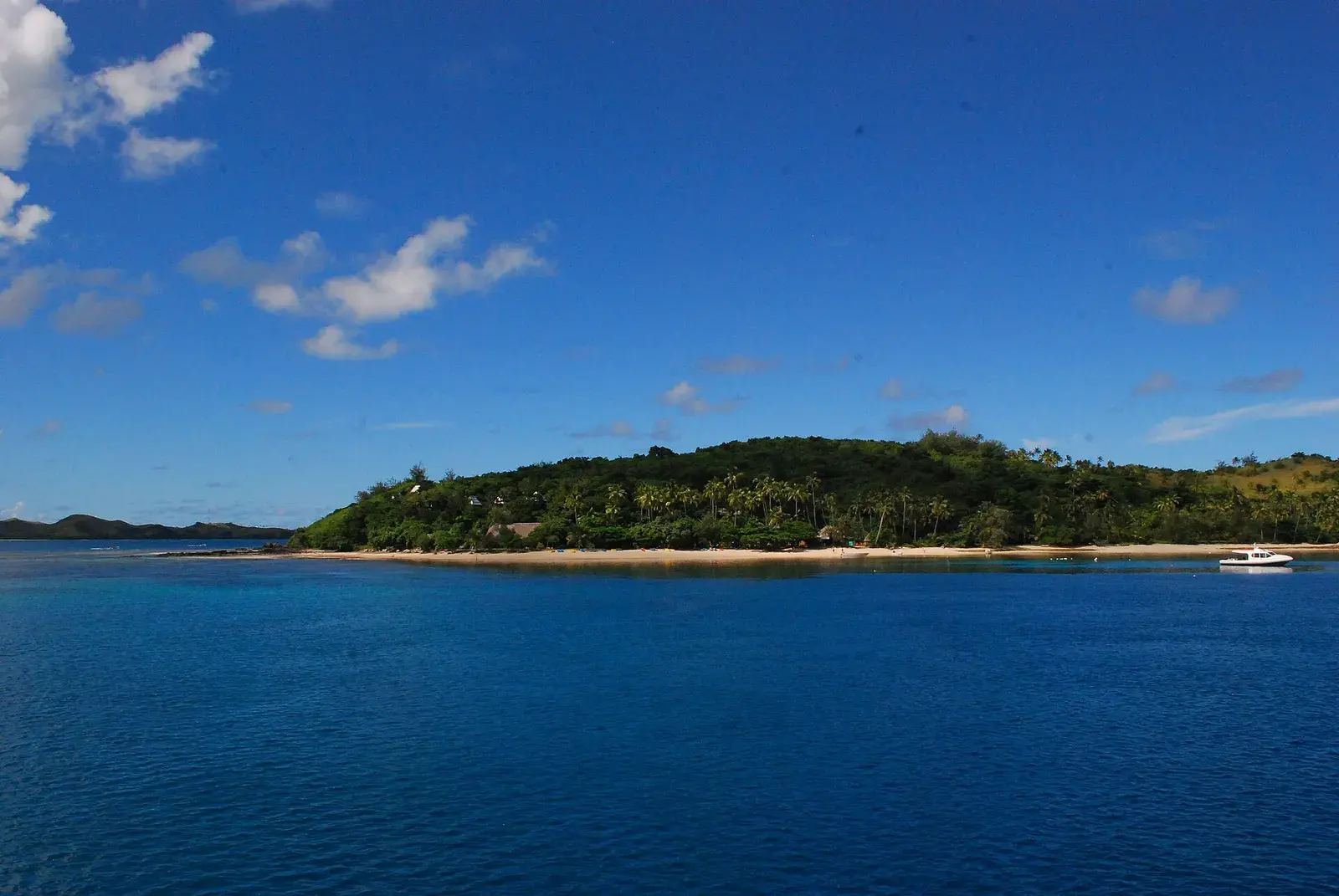
Where to go and, more usefully, when — season, crowding and what closes out of it.

Travel Guides
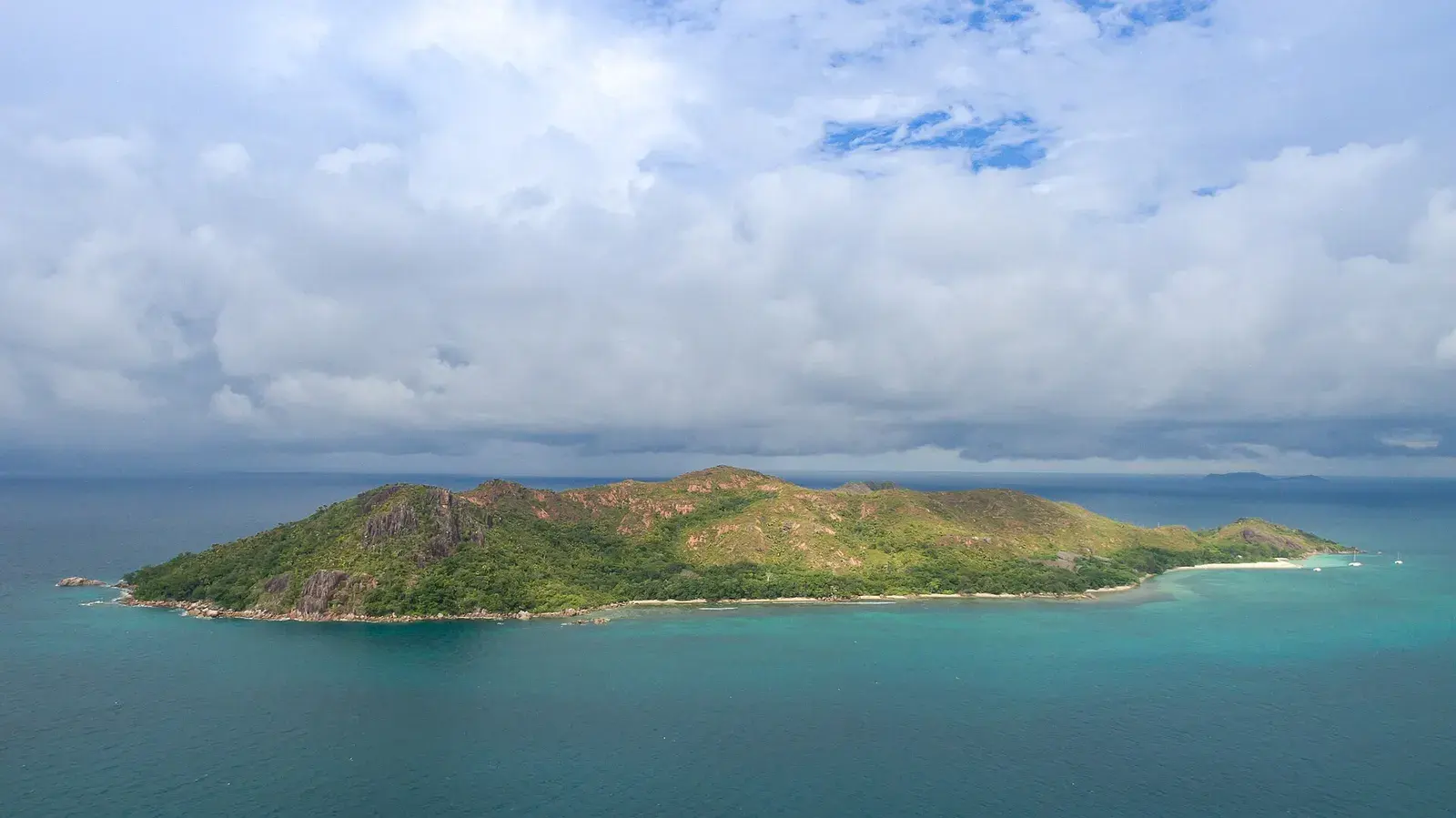
Destination guides written to be used on the ground: where to stay, eat, and what to skip.