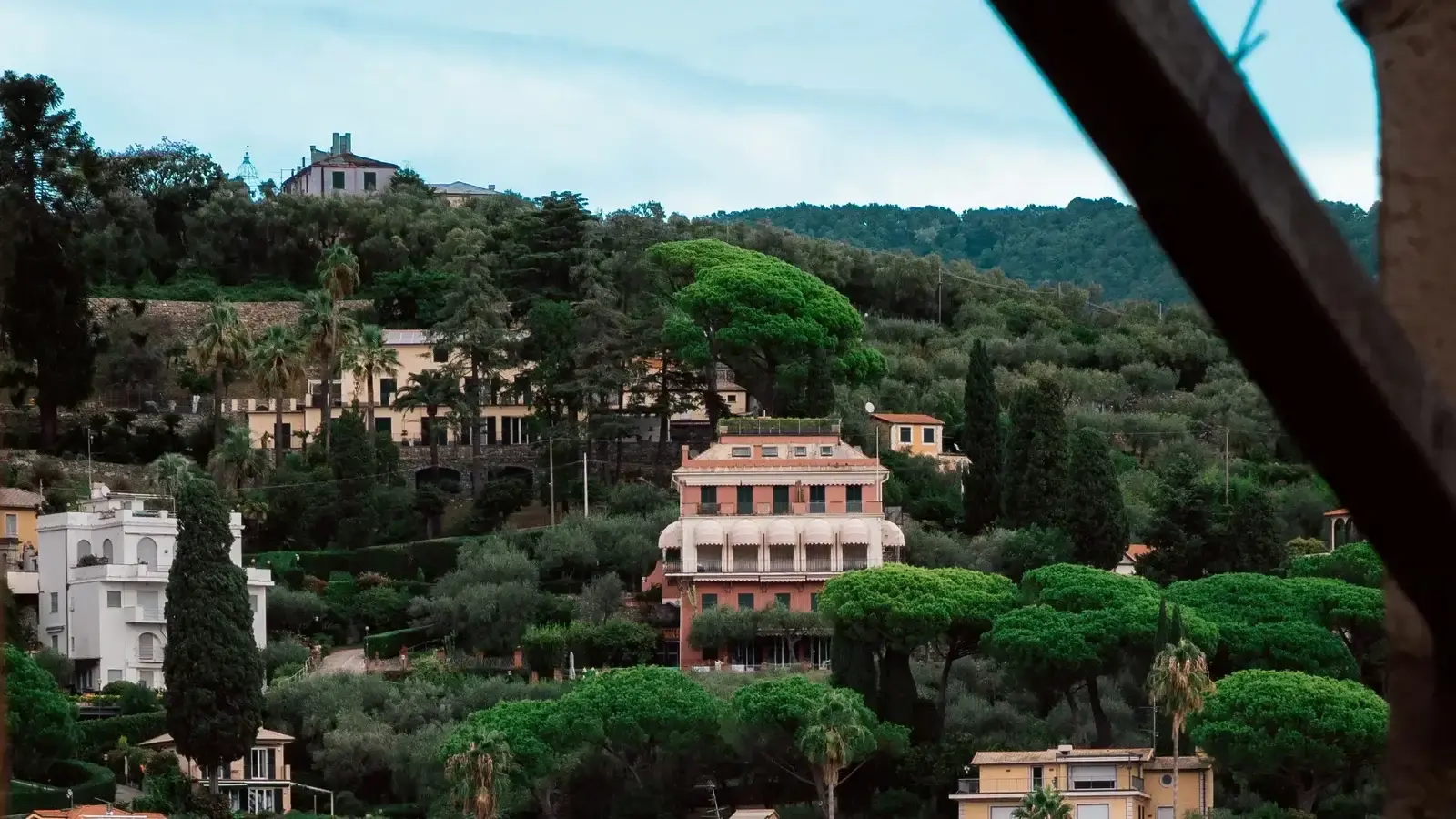
The French Riviera, Without the Crowds
Where to stay and when to go along the Côte d'Azur
The French Riviera without the crowds: the timing trick, choosing your stretch of coast from Cannes to Saint-Tropez, getting around and real costs.
By NorwegianSpark Editorial — written with AI assistance and reviewed by the NorwegianSpark SA editorial team.
The Timing Trick
The Riviera in August is a victim of its own fame — gridlocked corniches, full restaurants, and prices that climb with the temperature. The secret the regulars keep is that June and September deliver the same warm sea and golden light with a fraction of the crowds. We favour the first half of June, before the festival circuit peaks, or the calmer weeks of mid-September when the water is still warm from summer. Avoid the last week of May around the Grand Prix and the film festival unless that is precisely why you are coming, in which case book months ahead.
Choosing Your Stretch of Coast
The coast changes character every few kilometres. Cannes is polished and social, with the Croisette and easy beach-club access. Antibes and Cap d'Antibes offer old-town charm and pine-shaded headlands. Saint-Tropez is the glamorous, harder-to-reach prize at the western end, best enjoyed from a villa rather than a day trip. Inland, the perched villages of Èze and Saint-Paul-de-Vence give you cooler air and long lunches with a view. For a group or a week-plus stay, a villa with a pool and a car beats hotel-hopping, a logic we set out in our villa versus hotel guide.
“The Riviera is best measured not in landmarks ticked off, but in long lunches that drift into late afternoons.”
How to Spend the Days
The Riviera is at its finest from the water. A half-day boat charter to a quiet cove for a swim and a picnic is the single best thing we do here, and it reframes the whole coast. On land, the morning markets of Antibes and Nice, the Maeght Foundation's art, and a slow drive along the three corniches above Monaco fill the days without rushing them. Book the boat days and any festival-week dining well ahead; everything else can be loose. Pair this with our Santorini versus Mykonos guide if you are weighing a wider Mediterranean summer.
Monaco sits at the eastern end and makes a glamorous day or overnight from the French side. How it fits a broader itinerary is covered in the 2026 destinations roundup.
The Riviera is also the coastal half of two classic French pairings, and both work better than a week spent only on the coast. Inland, an hour or so west, is villa country: the Provence villa rental guide covers the Luberon, where you swap beach clubs for markets, vineyards and a pool of your own. North, the other direction entirely, is the Alps — an Alps-and-Riviera fortnight is a long-standing itinerary, and where to stay in Zermatt and the Swiss Alps covers the mountain half, in summer as well as ski season.
Partner
Winedering
Domaine des Hautes Collines, in the hills behind Grasse, offers an organic wine tasting with a cheese platter — inland from the beach clubs and a proper change of pace. Bookable with the domaine through Winedering.
Getting There, and Moving Along the Coast
Nice is the gateway for essentially the whole coast, and how you leave the airport shapes the trip. The coastal railway is the Riviera's best-kept practical secret: it runs the length of the shoreline through Cannes, Antibes, Nice, Monaco and on to Menton, it is fast, inexpensive, and it bypasses precisely the traffic that makes summer driving miserable. For a hotel-based stay in the towns, the train plus taxis will serve you better than a hire car you then have to park. For a villa in the hills or on the Saint-Tropez peninsula, a car is unavoidable, and the thing to know is that the peninsula is served by a single road that jams solidly in August — arriving by boat from Sainte-Maxime is quicker and considerably more pleasant. Above Monaco the three corniche roads climb in tiers; the middle one has the views, the lowest one has the traffic, and the highest is the drive worth doing for its own sake on a clear morning.
Partner
Auto Europe
For the villa in the hills or the drive up the corniches, not for hopping between the coastal towns: a car hire search set to collect and return in Nice. Auto Europe compares rental companies and offers free cancellation up to 48 hours before pick-up.
The Beaches Are Not What Most People Picture
This deserves saying plainly because it disappoints people every summer. Much of the Côte d'Azur shoreline is shingle rather than sand — Nice's celebrated Promenade des Anglais fronts a pebble beach, while Cannes and stretches of the Var coast are properly sandy. Neither is worse, but they are different holidays: pebbles mean beach shoes and a sun lounger rather than a towel, and they also mean strikingly clear water. Then there is the distinction between public beach and private beach club. The clubs rent loungers and parasols by the day, generally take reservations, usually run a restaurant you are expected to use, and in high season the good ones are booked days ahead. Public beaches sit between them, are free, and are busy. Deciding in advance which you want, and reserving if it is the former, removes the commonest friction of a Riviera day.
What the Coast Costs Beyond the Room
France applies a local visitor tax per person per night, added to hotel and rental bills rather than included in a quoted rate, and it varies by commune and by the property's classification. Beyond that, the Riviera's real expense is not accommodation but the day: a beach club with lunch, a boat, dinner in a harbour town. Two habits keep it sane. Reserve restaurants — in July and August the good tables in Antibes, Saint-Tropez and the perched villages are booked well ahead, and the walk-in options are the ones nobody wanted. And use the markets: a villa or an apartment with a terrace, a morning at the Antibes covered market and a long lunch at home is not a compromise on the Riviera, it is what the people who live there actually do. If you are weighing accommodation formats, our private villa versus hotel guide sets out the trade for a week-plus stay, and our guide to getting the best hotel rate covers the booking mechanics.
- Use the coastal train between the towns; save the hire car for the hills and the peninsula
- Reach Saint-Tropez by boat in August rather than by the single peninsula road
- Check whether your beach is shingle or sand before packing, and take beach shoes if in doubt
- Reserve a beach club and the marquee restaurants days ahead in July and August
- Budget for the per-person, per-night visitor tax, which is added rather than included
- Avoid the Grand Prix and film-festival weeks unless that is the reason you are coming — and book months out if it is
- Park outside the old towns and walk in; the perched villages are not places to drive into
The Honest Limits
The Riviera in high summer is expensive, crowded and hot, and no amount of clever planning entirely fixes any of the three. The coast road between Nice and Monaco can take twice as long as it should on an August afternoon. Beach clubs at the fashionable end price accordingly, and there is a genuine tier of the coast that exists to be seen rather than enjoyed. The counter to all of it is timing rather than money: June and September deliver the same sea, the same light and the same restaurants with a fraction of the friction, and the difference in the experience is larger than the difference in cost. The other counter is going slightly inland. An hour behind the coast, prices fall, the villages empty out, and the Provençal hinterland begins — our Provence villa rental guide covers that half properly, and it pairs with the coast better than a fortnight spent only on the shoreline.
Partner
Abritel
A villa with a pool near Saint-Tropez or Cap d'Antibes is the Riviera at its best. We use Abritel to compare verified rentals before booking.
Continue Reading
More from the Journal


Continue in this collection
Luxury Destinations
Where to go and, more usefully, when — season, crowding and what closes out of it.
Travel Guides
Destination guides written to be used on the ground: where to stay, eat, and what to skip.
5-Star Hotels
What actually earns the fifth star, and which properties are coasting on one they were given years ago.