Santorini vs Mykonos: Which Greek Island Is for You?
Two icons, two very different holidays
Santorini vs Mykonos: caldera sunsets or all-night beach clubs? An honest comparison of the two Greek islands for a luxury trip, and which suits you.
By NorwegianSpark Editorial — written with AI assistance and reviewed by the NorwegianSpark SA editorial team.
The Short Answer
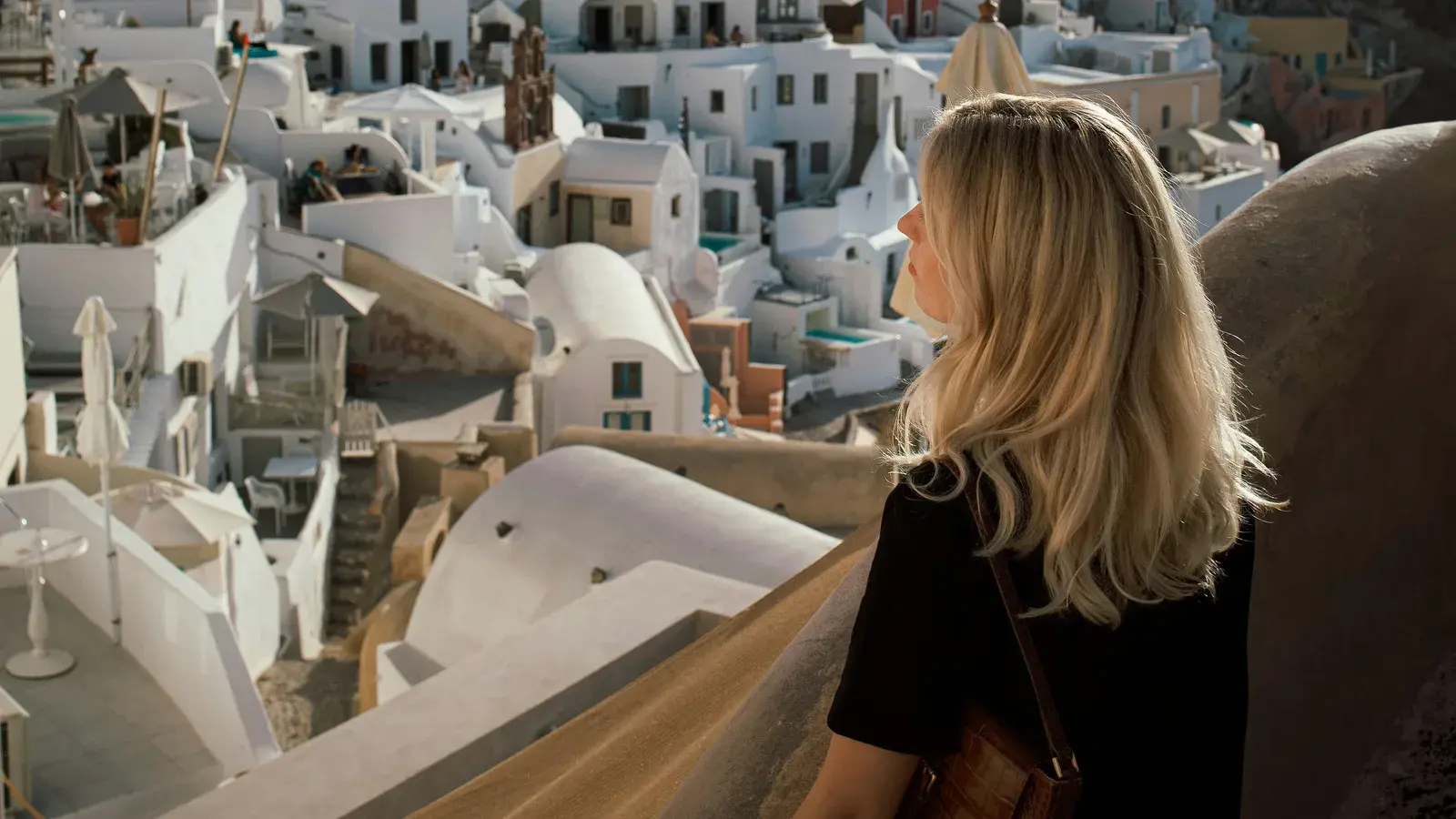
Santorini is for couples and the view; Mykonos is for groups and the scene. That is the cleanest way to put it. Santorini's caldera delivers the most photographed sunset in the Mediterranean and a slow, romantic rhythm built around long dinners and quiet terraces. Mykonos is louder, faster, and more sociable — designer boutiques, beach clubs that run until dawn, and a harbour that hums with energy. Neither is better; they simply answer different questions. Decide what you actually want from the week before you book, because the islands do not bend to fit you.
Where Each One Shines
Santorini's accommodation is its trump card. The cave-style suites carved into the cliff at Oia and Imerovigli, many with private plunge pools facing the volcano, are genuinely special — and genuinely expensive in peak summer. We favour late September, when the cruise crowds thin and the light turns golden. Mykonos rewards a different instinct: a villa with a pool and a driver, days drifting between beach clubs, and dinners in the old town. For a group, a private villa is almost always better value and more fun than separate hotel rooms, a calculation we walk through in our villa versus hotel guide.
“Choose Santorini for the person beside you; choose Mykonos for the people around you.”
Getting Around and Getting There
Both islands connect by ferry and by short flights from Athens, and the high-speed ferries make a two-island trip realistic within a single week. If you only have a few days, resist the urge to do both — the travel days eat the holiday. We would rather go deep on one island than skim two. For activities, the standouts are a sunset catamaran cruise around the Santorini caldera and a day boat to Delos or Rhenia from Mykonos; both are worth pre-booking because the good operators sell out.
If Greece is one stop on a wider Mediterranean summer, our 2026 destinations roundup covers how the islands compare with the Amalfi Coast and the French Riviera, and our Riviera guide is a natural pairing for a longer trip.
What Santorini Is Actually Like to Stay In
The caldera villages are the reason to come and the thing travellers are least prepared for. Fira, Imerovigli and Oia are built down the face of a cliff, which means steps — a great many of them, often uneven, frequently without a handrail, and always between you and your room. Properties routinely arrange porters for luggage because wheeling a case to your door is not an option. For anyone with a mobility issue, a knee that complains, or a small child in a pushchair, this single fact should drive the choice of both village and property; ask precisely how many steps lie between the road and the room, and treat a vague answer as a bad one. The second thing to know is that the caldera has no beach. The famous view looks down onto water you cannot swim in from the village; Santorini's beaches are on the far side of the island, they are black volcanic sand, and they get properly hot underfoot. If your image of a Greek island is walking from your room to the sea, Santorini is not that island — and knowing it in advance turns a disappointment into a straightforward decision about where to base yourself.
Partner
Winedering
A guided evening across three caldera wineries with a gourmet dinner — Assyrtiko grown in volcanic soil is the island's other great view. Booked with the operator through Winedering.
What Mykonos Is Actually Like to Stay In
Mykonos is flatter, easier underfoot and considerably more spread out, which shifts the logistics from stairs to transport. The old town is a deliberate maze — narrow, whitewashed, pedestrianised — and parking anywhere near it in season ranges from difficult to impossible, so a driver or taxis for evenings out is money well spent. The beaches are the main event and they divide sharply: the organised beach clubs on the south coast, which generally want a reservation and a minimum spend for a good bed, and the quieter beaches that reward anyone willing to drive a little further. The variable that catches people out is wind. The summer meltemi blows from the north and can be strong for days at a stretch, which is precisely why the fashionable beaches face south; on a windy week, a north-facing villa with a beautiful terrace can be unusable at lunchtime. Ask which way a property faces and where its outdoor space is sheltered, and read recent reviews specifically for mentions of wind.
Doing Both, and Why It Usually Goes Wrong
The two islands are connected by high-speed ferry and by short flights via Athens, which makes a combined trip look easy on paper. In practice, a week split between them loses more than it gains. Ferry days consume a morning at each end and are vulnerable to exactly the wind described above — sailings are cancelled or rerouted in strong meltemi conditions, and a cancelled ferry on the day you have a flight home is a genuine problem rather than an inconvenience. Add two check-ins, two check-outs and two sets of unpacking and you have surrendered the better part of two days of a seven-day holiday. Our rule is simple: at ten days or more, do both and enjoy the contrast. Under a week, choose one and go deep. If you do combine them, build a buffer night on the island your outbound flight leaves from, and never plan a same-day ferry-to-flight connection in high summer.
Timing, and a Third Option
Both islands peak hard in July and August, when prices, crowds and heat all arrive together and the cruise-ship day rhythm shapes Santorini in particular — the caldera villages are busiest in the middle of the day and empty appreciably by early evening. Late May, June and September are the sweet spots on both islands: the sea is warm from about June onwards, the light is better for photographs, and restaurants can seat you. If the choice is genuinely difficult, it may be because neither island is quite right. The Cyclades have quieter alternatives that deliver a version of the same holiday with fewer people — Paros and Naxos for a livelier, more grounded island life, Milos for extraordinary coastline and much less traffic. Nobody is obliged to choose between the two most famous names, and the traveller who wants Santorini's beauty without Santorini's crowds is often looking for a different island altogether.
- Ask a Santorini property how many steps sit between the road and the room, and treat a vague answer as a bad one
- Accept that the caldera villages have no swimmable beach, and decide whether that matters before booking
- Ask which way a Mykonos property faces, and where its outdoor space is sheltered from the north wind
- Budget for taxis or a driver in Mykonos; parking near the old town in season is not a plan
- Under seven days, choose one island. Over ten, do both
- Never connect a ferry to a same-day flight in high summer — build a buffer night
- Reserve beach-club beds and marquee restaurants before arrival, not on the day
The Short Answer, Restated Honestly
Santorini sells a view and delivers it completely; what it does not sell, and cannot deliver, is an easy beach holiday. Mykonos sells energy and delivers that too; what it does not sell is quiet, and the parts of the island that are quiet are also the parts that are furthest from everything. Choose Santorini if the photographs of the caldera are the actual reason you are going and you are content to spend the week eating, looking and swimming in a pool. Choose Mykonos if you want beaches, boats, a town to walk out into after dinner and other people around you. And if reading both of those descriptions produced a shrug, take that seriously — the Greek islands are numerous, and these two are simply the famous ones. Our Mediterranean yacht charter guide covers the version of this trip where you see six islands and sleep aboard, and our 2026 destinations roundup sets Greece against the rest of the summer field.
Partner
Abritel
For Mykonos especially, a private villa with a pool transforms the trip. We use Abritel to compare verified listings before committing.
Continue Reading
More from the Journal


Continue in this collection
Luxury Destinations
Where to go and, more usefully, when — season, crowding and what closes out of it.
Travel Guides
Destination guides written to be used on the ground: where to stay, eat, and what to skip.
5-Star Hotels
What actually earns the fifth star, and which properties are coasting on one they were given years ago.