
Sailing Yacht, Catamaran or Something Beautifully Old? Choose the Hull Before the Bay
Everybody argues about the destination first. The boat decides more of your week than the coastline does
Sailing yacht, catamaran or classic boat? What actually separates them, the four questions that decide it, and which suits a first charter.
By NorwegianSpark Editorial — written with AI assistance and reviewed by the NorwegianSpark SA editorial team.
Almost every conversation about a boat holiday starts in the wrong place. Somebody says Greece, somebody else says the Caribbean, and by the time anyone thinks about the vessel there is a deposit on a boat that was chosen because it was the one still free. This is backwards. The cruising ground decides what you look at. The hull decides how you sleep, where you eat, whether the deck is flat when you carry a coffee across it, how shallow a bay you can tuck into, and whether the week feels like sailing or like a floating apartment that occasionally moves. You can change your mind about the coastline on the morning of the day. You cannot change the boat.
Three families of boat get chartered for holidays, and they are genuinely different products rather than three price points for the same thing. There is the sailing monohull, the shape most people picture when they hear the word yacht. There is the catamaran, which has quietly taken over a large share of the holiday charter fleet. And there are the old ones — gulets, restored wooden ketches, traditional schooners and the assorted beautiful survivors that people fall in love with in a photograph. This is the hub for that decision. Each family has its own page underneath, and this one exists to get you to the right page.
What actually separates them
A monohull has one hull and a weighted keel underneath it. When the wind pushes on the sails the boat leans, and the keel's weight pulls it upright again. That lean, which sailors call heel, is not a fault; it is the mechanism. A catamaran has two hulls and no ballast keel, and it resists the same push by being wide, so it stays broadly level. A classic vessel is usually a monohull built to an older idea of what a boat is for — carrying cargo, sponge diving, fishing, racing between wars — and later converted to carry guests. Everything anyone will ever tell you about these boats is downstream of those three sentences.
Partner
PeraSail — Sailboat Charter, Croatia
Sailboat charters in Croatia on PeraSail — listings with live availability, bareboat or skippered where offered.
| Sailing monohull | Catamaran | Classic or vintage vessel | |
|---|---|---|---|
| Deck under way | Angled and moving | Broadly level | Angled, and often more of it is open |
| Space at the same length | Least | Most, by a wide margin | Varies hugely — usually beamy and open |
| Cabin privacy | Cabins share one hull | Cabins usually split across two hulls | Often many small cabins in one hull |
| Shallow anchorages | Limited by a deep keel | Very good — shallow draught | Often shallow; many were built for it |
| Berth cost per night | One boat's width | Charged for a much wider boat | Charged for length and often for beam |
| Feels like sailing | Yes, unmistakably | Less so; more like a fast platform | Yes, and slower, and older |
| Best at | Sailing as the point of the week | Living aboard comfortably in a group | Atmosphere, deck life, short hops |
The differences that change your week. Nothing here is a price; these are properties of the shape.
Read that table with your actual guest list in mind rather than your idea of yourself. The single most common charter regret is not the boat being too small or too plain. It is a group that wanted a floating villa booking a boat that wanted to go sailing, or a sailor booking a catamaran and spending a week quietly disappointed that nothing ever leaned.
“You can change your mind about the coastline on the morning of the day. You cannot change the boat.”
Start with the four questions that actually decide it
Not the brochure questions. These four, answered honestly, resolve most charters in about ten minutes.
- Who is on board, and who among them has never been on a small boat? The person with the least sea experience sets the ceiling for the week, and pretending otherwise does not make them enjoy it more. Motion is the usual culprit, and it is a planning problem rather than a character flaw: how to plan a charter around seasickness is the practical version of that conversation.
- Is sailing the point, or is the sea the setting? If nobody in the group wants to touch a winch, you are buying a base with a view, and the boat that does that best is not the one that sails best. If somebody wants to helm, say so before you book, not on day three.
- How much do you want to move? A week that visits seven places is a different boat from a week that visits three. Long passages reward waterline length and comfortable motion; short hops reward deck space and a good tender.
- Are you sharing the boat, or is it all yours? Chartering one cabin on a boat with strangers is a completely different product with a completely different price, and it is barely explained anywhere. Cabin charter, explained covers it.
The sailing monohull
This is the default of the charter world and the one worth defending. A monohull sails better in the sense that matters to somebody who likes sailing: it points closer to the wind, it feels connected, and the mechanism is legible — you can see why it is doing what it is doing. It is narrower, so it costs less to berth, it fits into places a wide boat cannot, and there are simply more of them, which means more choice in any given week. The trade is space and angle. At the same advertised length you get noticeably less saloon, less deck and less cabin, and while under way the whole thing is tilted.
Choose a monohull when at least one person on board genuinely wants to sail, when the group is small enough that space is not the binding constraint, and when the cruising ground has reliable wind. The other half of this comparison — sail against engine power rather than one hull against two — is a separate fork and is settled in sailing yacht versus motor yacht.
The catamaran
Catamarans have taken over a large share of holiday chartering for an unglamorous reason: they solve the two complaints that ruin weeks for non-sailors. The decks stay level, and the cabins sit in two separate hulls, so two couples or a family with teenagers get real acoustic distance from each other rather than a curtain. Add shallow draught, an enormous flat deck for eating outdoors, and a cockpit that connects to the saloon at the same level, and you have something much closer to a villa that moves.
The costs are real and rarely spelled out. A catamaran occupies far more marina width than a monohull of the same length, and berths are usually charged accordingly — sometimes on a different tariff altogether. It sails differently: quick and flat in a straight line, but without the feedback that makes sailing feel like sailing, and it will not point as close to the wind. And at anchor in a swell it moves in a jerkier, snappier way than a monohull's slow roll, which a minority of people find worse rather than better. The full argument is in catamaran versus monohull, and the family case is in chartering a catamaran with children.
The old ones
Then there are the boats people actually dream about: broad wooden decks, varnish, real rigging, a hull shape that was drawn before anyone optimised for cabin count. In the charter market this mostly means two things. Gulets — the traditional broad-beamed wooden vessels of Turkey's south-west coast, which today are chartered up and down the eastern Mediterranean and are overwhelmingly operated as motor-sailers rather than as sailing boats. And restored classics: old ketches, yawls, schooners and pilot cutters, kept alive by owners who care and chartered partly to fund that care.
These are wonderful and they are not modern boats. Headroom, ventilation, cabin size, bathroom arrangements, passage speed and schedule reliability all belong to an older standard, and a week aboard one is much better if you arrive expecting that rather than discovering it. Charter a classic for what it is. The gulet guide covers the Turkish and eastern Mediterranean end of it; chartering a classic yacht covers restored wooden vessels generally, including the questions about survey, safety equipment and rig that a beautiful photograph cannot answer.
What none of this decides
Choosing the hull family is one decision of several, and the rest of them do not follow automatically. Whether you sail it yourself is separate, and depends on paperwork you may not have: what a charter company actually asks before handing you the keys. What you pay beyond the charter fee is separate again, and the security deposit is the line most people forget to budget for. Where the boat sleeps each night is a real cost and a real decision: marina, mooring buoy or anchor. And if you are chartering a boat you provision yourself, provisioning a bareboat is the difference between eating well and eating pasta.
For the general mechanics of booking a charter at all — bareboat against crewed, what is and is not included, how to assess a charter company — start at the yacht charter guide, which owns that ground. For the top of the market, where the contract, the crew and the running-cost structure all change, the superyacht charter guide is the one to read. Everything else in this family sits under yachts, sailing and classic boats.
The honest counter-argument
There is a decent case that this whole decision is overthought. Plenty of people book whatever boat is available in the week they can travel, have a wonderful time, and never think about draught or beam again. That is a real outcome and it is more common than the charter industry admits. The reason to think about it anyway is not that the wrong boat ruins a holiday — it usually does not. It is that the cost of getting it right is one honest conversation about who is coming and what they want, and the cost of getting it wrong is a week you paid a lot for that suited somebody else's idea of a good time. That is a poor trade to make by accident.
Frequently asked questions
What is the real difference between a monohull and a catamaran?
A monohull has one hull and a weighted keel, so it leans when it sails and rights itself. A catamaran has two hulls and gets its stability from width instead, so it stays broadly level. Everything else follows from that single fact: how it feels under way, how much deck and cabin space you get for a given length, how shallow it can go, and what a marina charges you for the space it occupies.
Partner
PeraSail — Catamaran Charter, Croatia
Catamaran charters in Croatia on PeraSail — listings with live availability, bareboat or skippered where offered.
Which type of boat is best for a first charter?
For a mixed group with no sailing history, a catamaran with a skipper is the lowest-variance choice, because level decks and separate hulls solve the two things beginners complain about most: motion and privacy. For someone who actually wants to sail, a monohull with a skipper teaches more in a week. Neither answer is about money; both are about who is on board.
Are classic and vintage boats worth chartering?
They are worth chartering for the experience of being aboard one, which nothing modern reproduces. They are usually the wrong choice if your week depends on air conditioning, generous headroom, fast passages or a fixed schedule. Charter one for what it is rather than in the hope that it behaves like a new boat with better varnish.
Does the boat matter more than the destination?
More often than people expect. A cruising ground can be changed on the morning of the day; the boat cannot be changed at all once the week starts. The destination decides what you look at, and the hull decides how you live, sleep, eat and move for seven days. If you only have the attention for one careful decision, make it this one.
How far ahead should a charter be booked?
Far enough that the boats you actually want are still available, which in practice means the good boats and the good crews in peak weeks go first and by a long margin. We publish no lead time as a rule, because it varies by cruising ground and by season. Ask the charter company directly which weeks on your shortlist are already gone, and treat that answer as the real calendar.
Continue Reading
More from the Journal

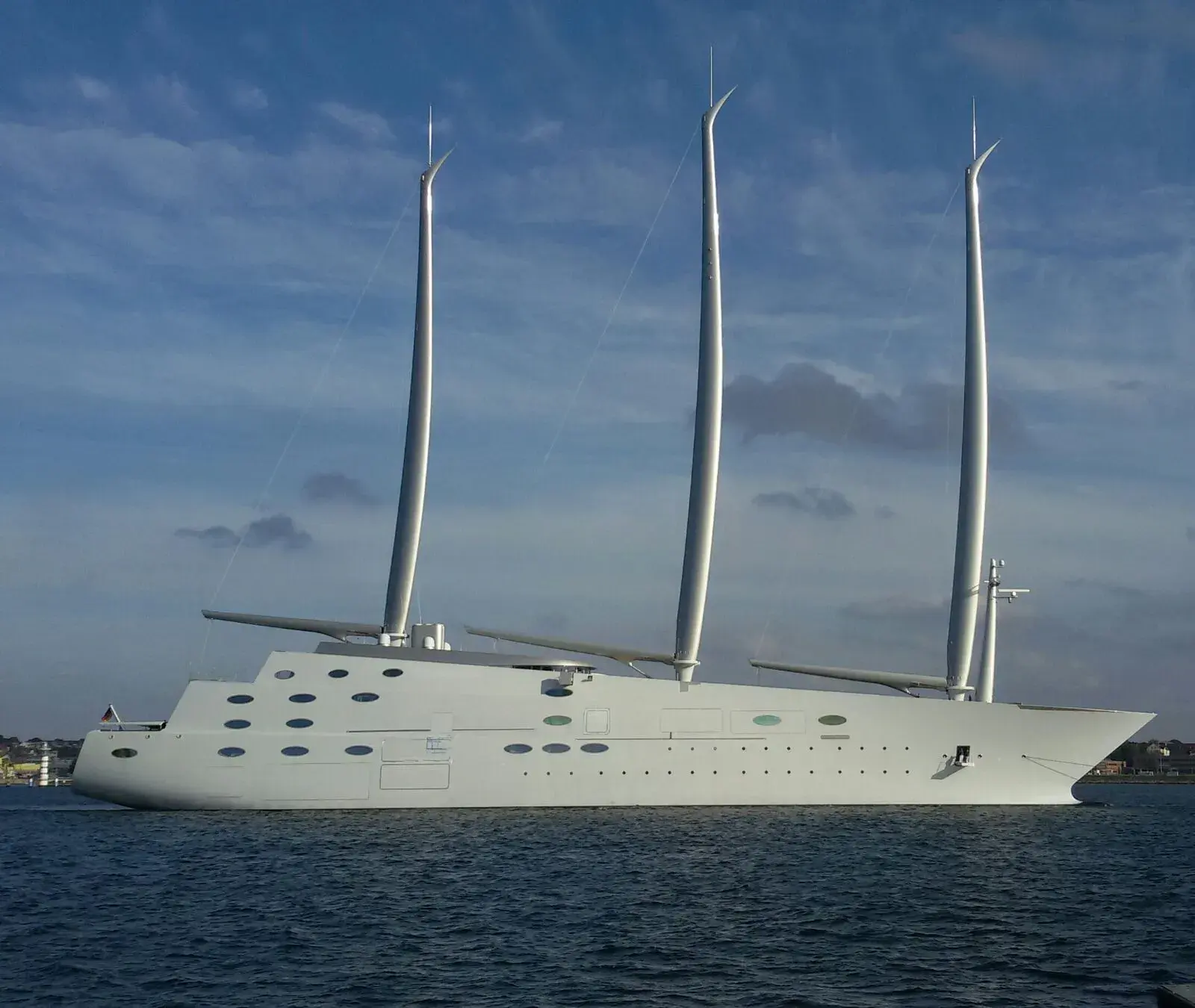




Continue in this collection
Yachts, Sailing & Classic Boats
Sailing yachts, catamarans and the beautiful old ones — the hull decides more of the week than the coastline does.

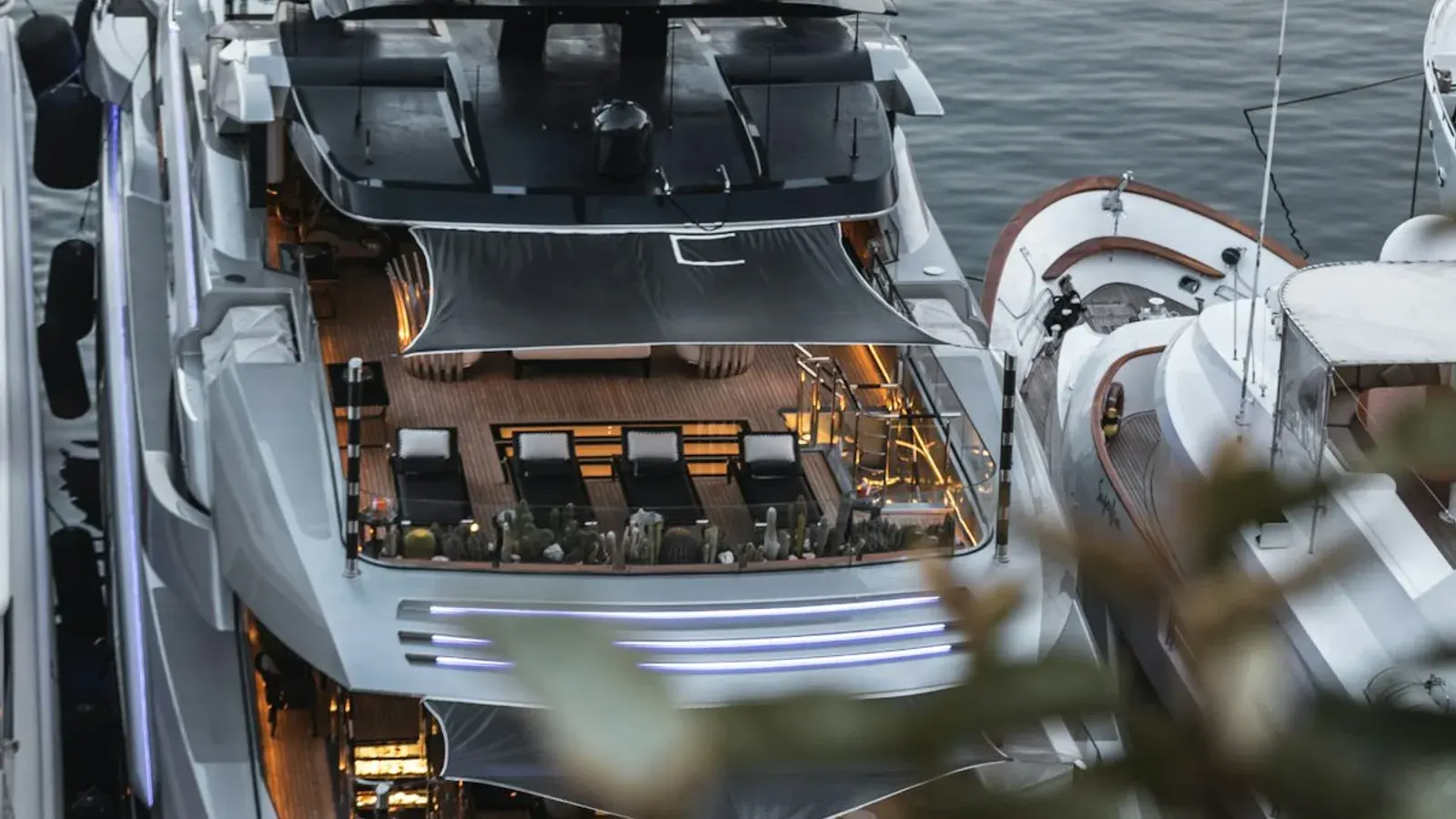
Luxury Destinations
Where to go and, more usefully, when — season, crowding and what closes out of it.

Travel Guides
Destination guides written to be used on the ground: where to stay, eat, and what to skip.