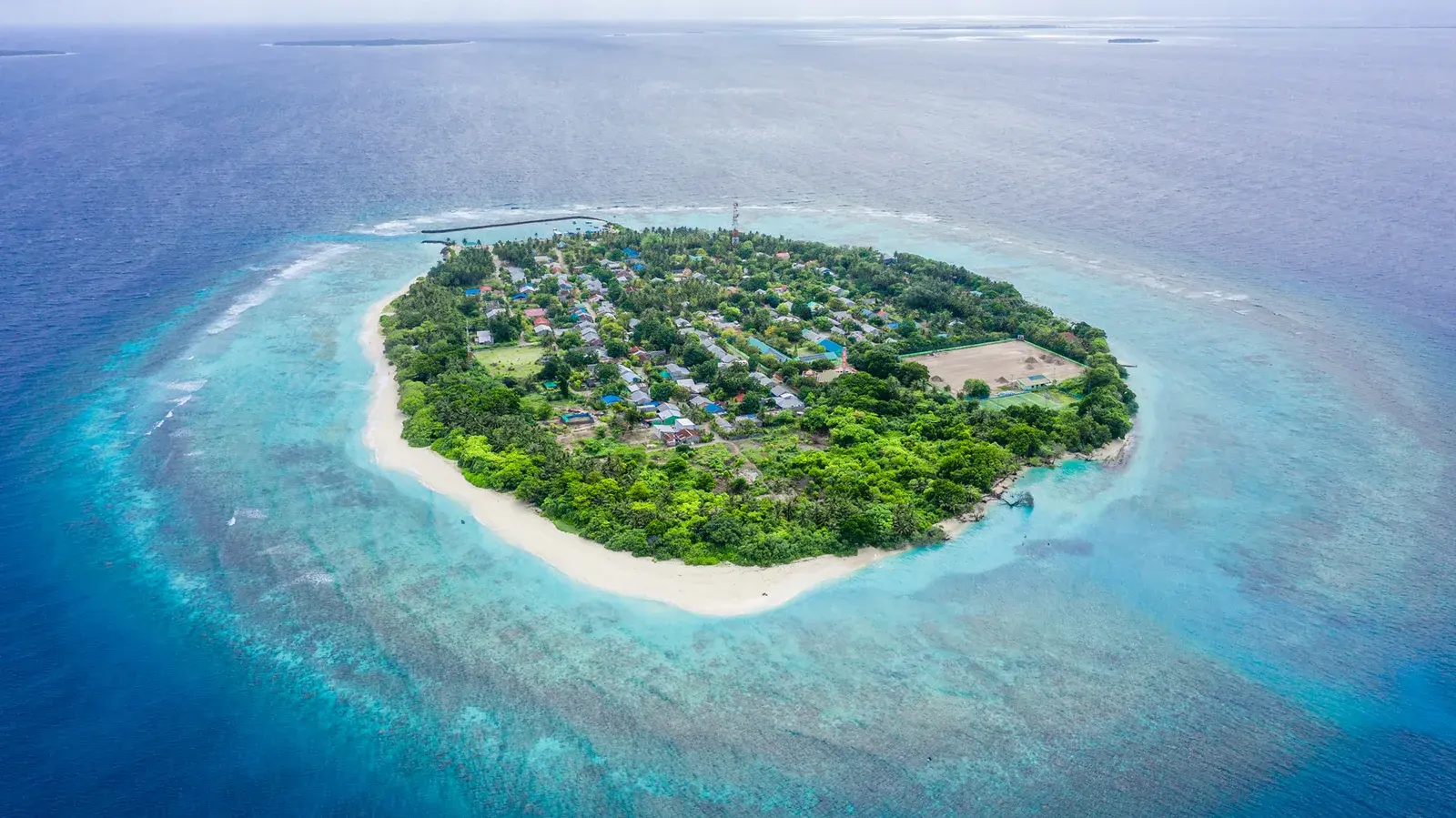
Marina, Mooring Buoy or Anchor: Where the Boat Sleeps, and What Each Night Really Costs
Three ways to stop for the night, three completely different evenings, and one of the largest variable costs in a charter week
Marina, mooring buoy or anchorage? What each gives you and costs, how to mix them across a charter week, and which lets everyone sleep well.
By NorwegianSpark Editorial — written with AI assistance and reviewed by the NorwegianSpark SA editorial team.
Ask somebody planning a first charter where the boat will sleep each night and you usually get a blank look, because the question has not occurred to them. It should. Where you stop decides how much the week costs, whether anyone gets a proper shower, whether dinner is cooked or eaten ashore, how well people sleep, and how much of the holiday feels like being at sea rather than in a car park with masts. There are three answers and they produce three genuinely different evenings.
The three options, plainly
A marina is a built harbour with berths. You tie the boat to a pontoon or, in much of the Mediterranean, back it into a quay and tie to a line on the seabed. You get shore power, fresh water on the dock, showers, toilets, usually laundry, usually rubbish disposal, and a town outside the gate. You pay for all of it.
A mooring buoy is a float on the surface attached to a heavy weight on the seabed. You approach slowly, someone on the bow catches it with a boathook, and you make fast. No power, no water, no facilities — but you are held by tackle heavier than your own anchor, in a bay chosen for shelter, and you are usually in the water rather than in a harbour. Buoys are often charged for, sometimes by a harbour authority, sometimes by a local operator who comes out in a launch, and sometimes by a taverna ashore whose price is that you eat there. That last arrangement is far more common than the guides admit and is frequently a good deal.
Partner
PeraSail — Sailboat Charter, France
Sailboat charters in France on PeraSail — listings with live availability, bareboat or skippered where offered.
An anchorage is simply somewhere you can drop your own anchor. It is normally free, it gives you nothing, and it is what most experienced crews do most nights. You choose the bay for shelter from the wind that is coming rather than the wind you have, drop the anchor in a depth and a seabed that will hold, lay out enough chain, and then check that it has actually bitten before anybody opens a bottle.
“A marina buys facilities. A buoy buys peace of mind. An anchorage buys the thing you came for. Most good weeks use all three.”
What each one actually gives and costs you
| Marina | Mooring buoy | Anchorage | |
|---|---|---|---|
| Typical cost | Highest, and scales with length and beam | Moderate, sometimes tied to eating ashore | Normally free |
| Shore power | Yes | No | No |
| Fresh water refill | Yes | No | No |
| Showers and toilets ashore | Yes | Rarely | No |
| Getting ashore | Step off the boat | By tender | By tender, or swim |
| Noise | Harbour, bars, other crews, halyards | Quiet | Quietest |
| Security of the hold | Tied to a fixed structure | Somebody else's tackle, unseen | Your own anchor, your own responsibility |
| Night watch needed | No | Rarely | If the wind gets up, yes |
| Best for | Water, laundry, charging, a night out | A protected bay with poor holding | Swimming, quiet, and the whole point |
The trade is consistent even though the prices are not. Rates vary by port, season and boat, so get them from the charter base for your route.
The row that catches catamaran charterers is the first one. Marinas sell surface area, and a wide boat occupies far more of it, so multihulls are commonly charged at a premium or on an entirely separate tariff. On a week with five marina nights that difference is a real number, which is one reason the catamaran versus monohull decision has a financial tail nobody mentions at booking.
How to actually mix them across a week
Most crews settle on two or three marina nights out of seven, and it is a sensible default for a specific reason: those nights are not really about the berth. They are about refilling the water tanks, charging the batteries properly, doing laundry, taking a long shower, throwing away a week's rubbish and eating somewhere with a kitchen. Everything else is better at anchor. Space them so that no more than two or three days pass without a water refill, and put one of them somewhere with a supermarket if you are provisioning as you go — see provisioning a bareboat.
- Book ahead in high season for anywhere popular. In peak weeks the good harbours fill by mid-afternoon, and arriving at seven in the evening with no berth is a bad end to a good day.
- Arrive early rather than late. Berthing is easier with a crew who are not tired, in daylight, with somebody on the dock to take a line.
- Check what the marina charges for your beam, not just your length, and ask whether power and water are included or metered.
- Have a second bay in mind every single day. The one you planned may be full, or exposed to a wind that has shifted, and having an alternative before you need one is the difference between a decision and a scramble.
- Ask locally who maintains the mooring buoys before you trust one in strong wind. A buoy is only as good as the weight and chain beneath it, and you cannot see either.
- If you are anchoring, put out more chain than feels necessary and check the anchor is holding before anybody relaxes. Then look at the forecast again before bed.
The part that decides how well people sleep
Shelter is not the same as prettiness, and this is the single most useful thing to learn early. A stunning bay open to the north is a miserable place to spend a night when the wind goes north at two in the morning, and the swell that follows will roll a boat until nobody sleeps. A dull bay tucked behind a headland on the right side is a perfect night. Experienced skippers choose the anchorage from the forecast and the chart rather than from the photograph, and they will happily pass three beautiful bays to get to the boring one that works.
The corollary is that the itinerary is a proposal rather than a schedule. Any charter plan that requires you to be in a specific bay on a specific night is a plan that will eventually put you somewhere uncomfortable in order to keep a promise to a spreadsheet. Build the week as a rough direction with alternatives, which is also the safest way to run a boat with children aboard — see chartering a catamaran with children.
The honest counter-argument
There is a romantic view that a proper sailing holiday anchors every night and that marinas are for people who have not committed. It is mostly posturing. Marinas exist because water tanks empty, batteries flatten, laundry accumulates, and a hot shower after four days at anchor is one of the better feelings available to a human being. There are also cruising grounds where anchoring overnight is genuinely restricted, where the seabed is protected, or where the bays that would work are full by mid-afternoon in season.
The opposite error is more expensive. A crew who default to a marina every night pay a great deal for the privilege of sleeping in a harbour, spend their evenings among other charter boats, and never get the morning that makes the whole thing worthwhile — waking up in a bay with nobody in it and swimming before breakfast. Decide the mix deliberately at the planning stage, because if you do not decide it, the default is the expensive one. For the wider structure of a charter week, the yacht charter guide is the general reference, and everything in this section sits under yachts, sailing and classic boats.
Frequently asked questions
What is the difference between a marina, a mooring buoy and an anchorage?
A marina is a built berth you tie to, with shore power, water and facilities, and it is charged for. A mooring buoy is a fixed float attached to a heavy weight on the seabed which you pick up and tie to; it is often charged too, usually less. An anchorage is open water where you drop your own anchor, which is normally free and gives you no facilities at all.
Which one costs the most?
A marina, by a wide margin, and the gap widens with the size and especially the width of the boat. Mooring buoys sit in between and are frequently charged by a harbour authority, a local operator or a taverna that expects you to eat there. Anchoring is normally free. We publish no rates because they vary by port, by season and by the day, so ask the charter base for the marinas on your intended route.
Partner
PeraSail — Sailboat Charter, Italy
Sailboat charters in Italy on PeraSail — listings with live availability, bareboat or skippered where offered.
Is it safe to anchor overnight?
Routinely, and most experienced crews do it more often than they use marinas. The safety depends on choosing a bay sheltered from the wind that is forecast rather than the wind you have, on the holding ground, on laying enough chain, and on somebody checking through the night if conditions change. If any of that is unfamiliar, take a skipper or join a flotilla rather than learning it with your family aboard.
Why do people use mooring buoys instead of anchoring?
Because in many bays the seabed is protected, crowded or poor holding, and a buoy solves all three. They also save time and reduce the risk of dragging in the night. The trade is that you are trusting somebody else's tackle: a buoy is only as good as the weight and the chain beneath it, and you cannot see either. Ask locally who maintains them before relying on one in strong wind.
How many marina nights should a week have?
Most crews find two or three out of seven is the sweet spot: enough to shower properly, refill the water tanks, charge everything, do laundry and eat ashore, without paying for a berth on the nights the bay is the point. Families and boats with weak batteries need more; crews chasing quiet need fewer. Decide it as a plan rather than by default, because by default it becomes expensive.
Continue Reading
More from the Journal



Continue in this collection
Yachts, Sailing & Classic Boats
Sailing yachts, catamarans and the beautiful old ones — the hull decides more of the week than the coastline does.

Luxury Destinations
Where to go and, more usefully, when — season, crowding and what closes out of it.

Travel Guides
Destination guides written to be used on the ground: where to stay, eat, and what to skip.