Gulet Charter: The Beautiful Wooden Boat Holiday Nobody Explains Properly
Broad decks, a crew, a cook, and a boat that will almost certainly motor rather than sail. Here is what you are actually booking
Gulet charter explained: why a gulet is a motor-sailer, what a week aboard is like, what to check before booking a boat, and whether it is cheaper.
By NorwegianSpark Editorial — written with AI assistance and reviewed by the NorwegianSpark SA editorial team.
If you have ever seen a photograph of a wide wooden boat with a vast varnished stern deck, cushions everywhere, two masts and a group of people eating lunch on it in a turquoise bay, you have seen a gulet. It is one of the best-value ways to get a whole boat and a whole crew to yourself, and it is also, routinely, the most mis-sold product in holiday chartering. The mis-selling is not usually a lie. It is the word sailing doing work it should not be doing.
The gulet is a traditional broad-beamed wooden vessel from the south-west coast of Turkey — the Bodrum, Marmaris and Fethiye stretch — with a raised bow, a broad flat stern and two or three masts. The type came out of working boats: sponge diving and coastal cargo, trades that wanted a wide, shallow, stable hull with a big open deck for gear. When tourism arrived on that coast, it turned out that a wide, shallow, stable hull with a big open deck was also an extremely good holiday boat. So the type was adapted rather than replaced, and today gulets charter all along the eastern Mediterranean and beyond it.
The thing to understand first: it is a motor-sailer
Most gulets are rigged and most are operated as motor-sailers. That means the engine is the primary means of getting from one bay to the next, and the sails assist, or are set on legs where the wind genuinely suits, or in some cases are set mainly because they look wonderful and guests like photographs. This is not a scandal — it is simply what the boats are, and it suits the way they are used, which is short hops between anchorages on a coast with light and fickle summer winds.
Partner
PeraSail — Gulet Charter, Turkey
Gulet charters in Turkey on PeraSail — listings with live availability, bareboat or skippered where offered.
It becomes a problem only when somebody books a gulet expecting a sailing holiday. If that person is you, the fix is one question asked before you pay: how many hours did this specific boat sail under canvas last season, and on which legs? A confident operator will answer with a number and a route. A vague answer is itself the answer. If sailing is genuinely the point of your week, you want a different family of boat entirely — start at sailing yacht, catamaran or classic boat.
“Nobody is lying to you about a gulet. The brochure says sailing because it has masts. Ask how many hours it sailed last season and the picture resolves immediately.”
What a gulet week is actually like
The rhythm is unusually consistent across boats and operators, and it is a large part of the appeal. You board in the afternoon and the boat moves a short distance to somewhere quiet for the first night. From then on the day is roughly: swim before breakfast, a leg of one to three hours in the morning, anchor somewhere for lunch and a long swim, another short leg in the afternoon, then a bay or a small harbour for the evening. Meals are cooked aboard by the crew, eaten on deck at a big table, and are the centre of the day rather than an interruption to it.
That structure is why gulets suit groups and multi-generational families so well. There is no requirement for anyone to be competent, energetic or even particularly interested in boats. Somebody can read for six days without ever getting into the water and have a good time. Somebody else can swim four times a day. The deck is large enough that fourteen people are not on top of each other, which on a boat of similar length in almost any other family they would be.
What to check before you book a specific boat
Gulets vary far more than any brochure photograph implies, because they range from lovingly maintained boats with long-serving crews to tired hulls being run hard. The photographs are frequently a few years old and taken in the best light of the best season. These are the questions that separate them.
- Ask when the boat was last refitted, and what was done. Wooden boats need continuous work; a specific answer with dates is a good sign and a general reassurance is not.
- Ask how long the captain and the cook have been aboard. Crew retention is the single most useful signal on any crewed boat, because people stay where the boat is run well.
- Ask for the cabin dimensions and whether cabins have windows that open, and ask specifically about air conditioning: whether it exists, whether it runs at night, and whether running it at night means running a generator that everybody can hear.
- Ask what is included, item by item, in writing. Food, soft drinks, alcohol, water, fuel, harbour and marina fees, port taxes, water sports, and crew gratuity are all sometimes in and sometimes out.
- Ask who pays for fuel, and how it is calculated. On a motor-sailer this line moves directly with how far you cruise, and it is the most common cause of a bill that does not match the quote.
- Ask about the tender: how large it is, whether it has an engine that works, and how many trips it takes to get everyone ashore for dinner. On a boat carrying twelve or more this decides your evenings.
- Ask for the itinerary as a proposal rather than a schedule, and ask what happens if the weather closes a bay. A good captain reroutes without drama. Confirm the boat is permitted to carry paying guests wherever you intend to go, particularly if the route crosses a border.
Money: what we will and will not tell you
We publish no gulet rate anywhere on this page, and it is a deliberate refusal rather than an omission. Gulet pricing varies by boat, by season, by crew, by group size and above all by what is included, and the range is wide enough that any figure we printed would be wrong for most readers while looking authoritative to all of them. What we can tell you is the structure to demand: a written quote for the named boat and the named week, itemising the charter fee, the food and drink arrangement, fuel, harbour and marina dues, any local tax, and anything described as an extra. Then ask the single most useful follow-up: what would this same week cost if we moved twice as far?
Two more practicalities. Gulet charters commonly work on a deposit and a balance, with cancellation terms that firm up as the date approaches — the same shape as any other travel contract, and worth reading with the same attention you would give free cancellation versus non-refundable rates on a hotel. And a crewed boat is one of the few holidays where a gratuity is a genuine social expectation rather than an optional extra; ask the operator what is customary for their boats and decide in advance rather than on the last morning.
Getting there, and the day either side
A gulet week almost always starts and ends in a harbour town rather than at an airport, and the two transfer days are where otherwise excellent holidays go wrong. Boarding is usually in the afternoon and disembarkation early in the morning, which means an arriving flight that lands late costs you the first night aboard and a departing flight that leaves early costs you a hotel. Book the night before near the port rather than gambling on a same-day connection, and arrange the transfer in advance instead of negotiating it at the terminal — the general case for that is in the airport transfers guide.
If you are driving yourself to the harbour, note that leaving a hire car somewhere for a week while you are at sea needs a plan and a conversation with the rental company; one-way car hire and avoiding hidden car rental fees both apply. And take connectivity seriously: a boat on a coast with variable coverage is exactly the situation a travel data plan is for, which is covered in what an eSIM is.
The honest counter-argument
A gulet is not a good boat for everyone and the enthusiasm around them can obscure it. The cabins are usually small and low by modern standards, high-summer nights below deck can be genuinely hot if the air conditioning is weak or the generator is switched off, and the bathrooms are compact. The boats are slow, so a week covers less ground than the map suggests. And because so much of the experience happens on deck, a spell of bad weather compresses everybody into a saloon that was not designed as the main living space. If your group's enjoyment depends on a cool cabin, a quiet night and a reliable schedule, a modern crewed catamaran will serve you better even though it will look less romantic in the photographs.
The case for the gulet survives all of that. For a group that wants a whole boat, a crew who cook, an enormous deck, short days and long swims, there is very little that competes. Just book it as what it is. For the wider family of old boats — restored ketches, schooners and other survivors — see chartering a classic yacht, and for everything else in this section, yachts, sailing and classic boats.
Frequently asked questions
What is a gulet?
A traditional broad-beamed wooden vessel from the south-west coast of Turkey, around Bodrum, Marmaris and Fethiye, with a raised bow, a broad stern and two or three masts. The type began as a working boat for sponge diving and coastal cargo and was adapted for holiday chartering as tourism grew on that coast. The wide beam, shallow draught and large flat deck that made it good at carrying cargo are exactly what make it good at carrying guests.
Partner
PeraSail — Gulet Charter, Croatia
Gulet charters in Croatia on PeraSail — listings with live availability, bareboat or skippered where offered.
Do gulets actually sail?
Most are rigged and most are operated as motor-sailers, which means the engine does the work and the sails assist or are set when the wind genuinely suits. If sailing matters to you, do not assume — ask the specific boat's operator how many hours it sailed under canvas last season and on which legs, and treat a vague answer as an answer.
Is a gulet charter cheaper than a yacht charter?
It is usually the least expensive way to get a whole crewed boat with a cook, which is why it is popular with larger groups and families. We publish no rate, because gulet pricing varies enormously by boat, season, crew and what is included, and a figure written in an article is the one thing a reader would budget against. Get a written quote for the named boat and named week, and make it itemise food, drink, fuel, harbour fees and any tax.
What is included in a gulet charter?
Almost nothing is standard, and that is the single most important thing to know. Some charters quote the boat and crew only, with food, drink, fuel and harbour dues billed separately or as a per-person supplement; others are close to all-inclusive. Ask for the inclusion list in writing, item by item, and specifically ask who pays for fuel, because that line moves with how far you cruise.
Who is a gulet week best for?
Groups and multi-generational families who want a crewed boat, a lot of deck, and short daily hops between bays with plenty of swimming — rather than passage-making or sailing. It suits people who prize atmosphere and outdoor living over modern cabin comfort. It suits less well anyone who needs generous headroom, cool cabins in high summer, or a schedule that cannot move.
Continue Reading
More from the Journal


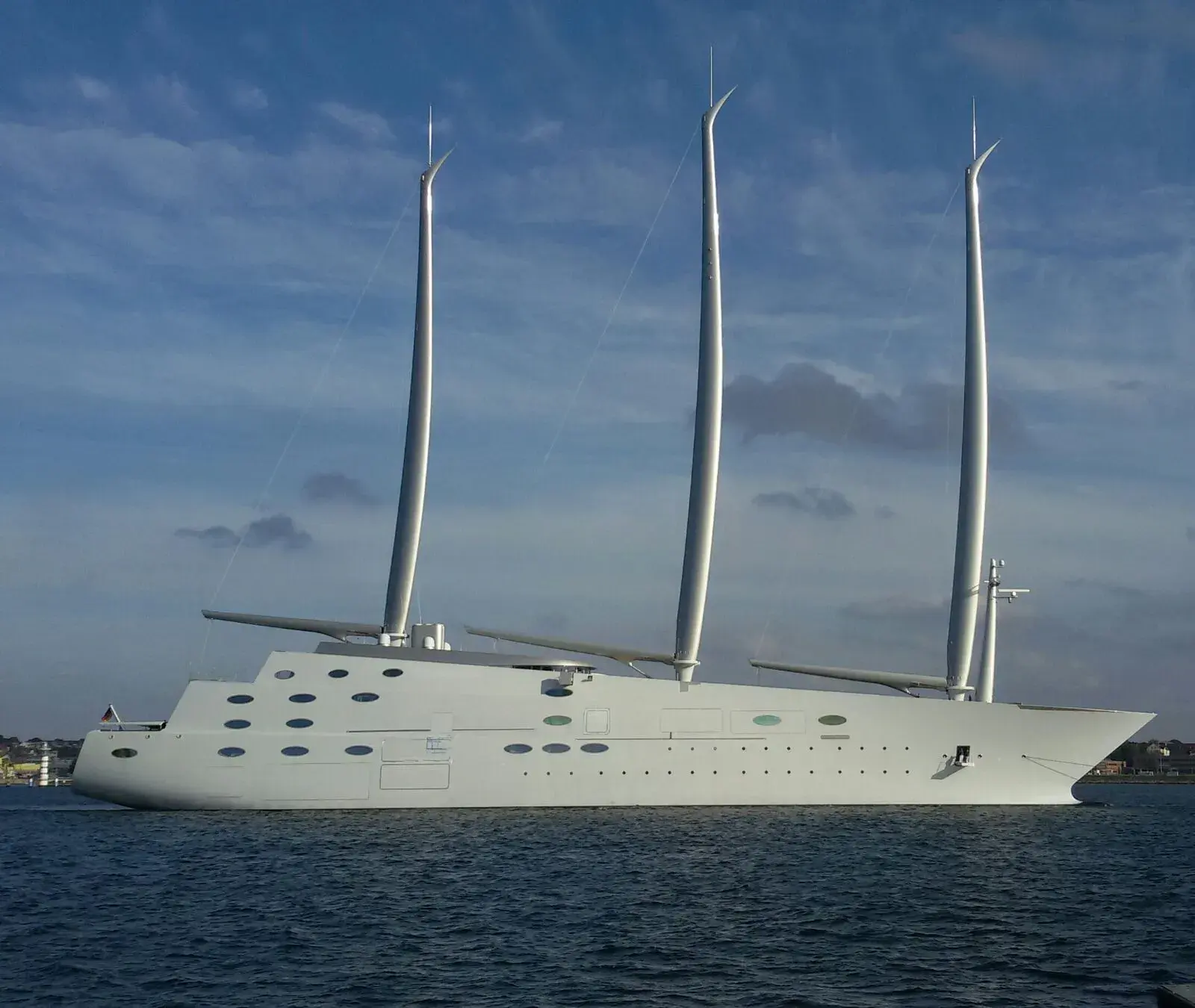
Continue in this collection
Yachts, Sailing & Classic Boats
Sailing yachts, catamarans and the beautiful old ones — the hull decides more of the week than the coastline does.
Luxury Destinations
Where to go and, more usefully, when — season, crowding and what closes out of it.

Travel Guides
Destination guides written to be used on the ground: where to stay, eat, and what to skip.