Sailing Yacht vs Motor Yacht: Which Is Right for You?
Sailing yacht vs motor yacht: what sailing really feels like, the schedule problem, heel and motion, and why a motor yacht feels bigger.
Sailing yacht vs motor yacht: what sailing really feels like, the schedule problem, heel and motion, and why a motor yacht feels bigger.
By NorwegianSpark Editorial — written with AI assistance and reviewed by the NorwegianSpark SA editorial team.
Sail or power is the first real decision in yacht ownership and the first meaningful one in chartering, and it is genuinely a fork rather than a preference. The two produce different weeks, attract different crews, cost different amounts to run and reach different places. Most people asking the question have already half-decided emotionally, which is fine, but it is worth testing that instinct against how you actually intend to use the boat: who is aboard, how far you want to move, and whether arriving on schedule matters to you.
What sailing actually feels like
Sailing under canvas with the engine off, the boat settled at a comfortable angle and moving on wind alone, is an experience with no equivalent under power. The noise stops. The motion changes character entirely, becoming a long steady lean rather than a hum. It connects the day to a very old set of skills and, importantly, it invites participation: guests who want to be involved can be, on the helm or the sheets, in a way that a motor yacht simply does not offer. For a certain kind of person that participation is the entire point of being on the water.
The great sailing yachts
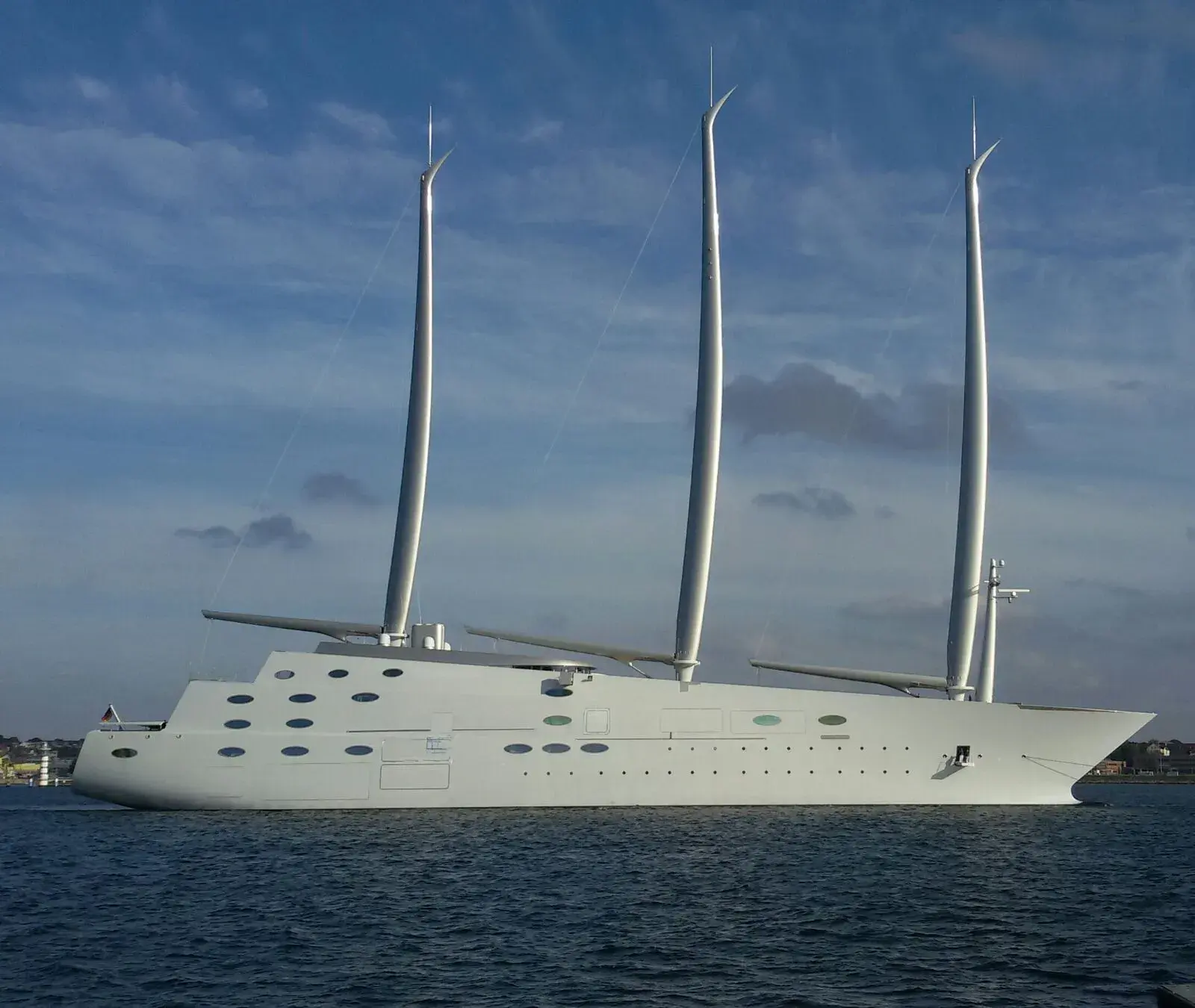
At the top of the market, large sailing yachts from builders such as Royal Huisman, Baltic and Perini Navi are formidable machines, capable of crossing oceans in comfort and of covering long distances with far less fuel than a motor yacht of similar size. Modern rigs are largely push-button, so the physical demands are much lower than the romance suggests, and the interiors of the best examples are as considered as anything afloat. They also reach anchorages that a large motor yacht cannot approach, which in crowded cruising grounds is a genuine and underrated advantage.
Partner
PeraSail — Sailboat Charter, Greece
Sailboat charters in Greece on PeraSail — listings with live availability, bareboat or skippered where offered.
The schedule problem
The limitation is fundamental and no amount of money removes it. Sailing depends on wind, and wind does not consult your dinner reservation. A yacht that must be somewhere specific on a specific afternoon will motor when the wind refuses to cooperate, which means you have paid for a sailing yacht and are having a slower, noisier motoring experience. If your week is built around fixed appointments in fixed places, that friction will define it. If the itinerary can flex around the weather, the same variability becomes part of the pleasure.
Heel, motion and who it suits
A sailing yacht under way heels, and although modern designs are far more forgiving than older ones, the deck is at an angle and moving. Some guests find that exhilarating and some find it exhausting. Cooking, working and moving around are all harder at an angle, and small children and less mobile guests need more thought. At anchor the difference narrows, though a sailing yacht will often roll more than a stabilised motor yacht in the same swell. Be honest about your guest list, not just your own preference.
The motor yacht case
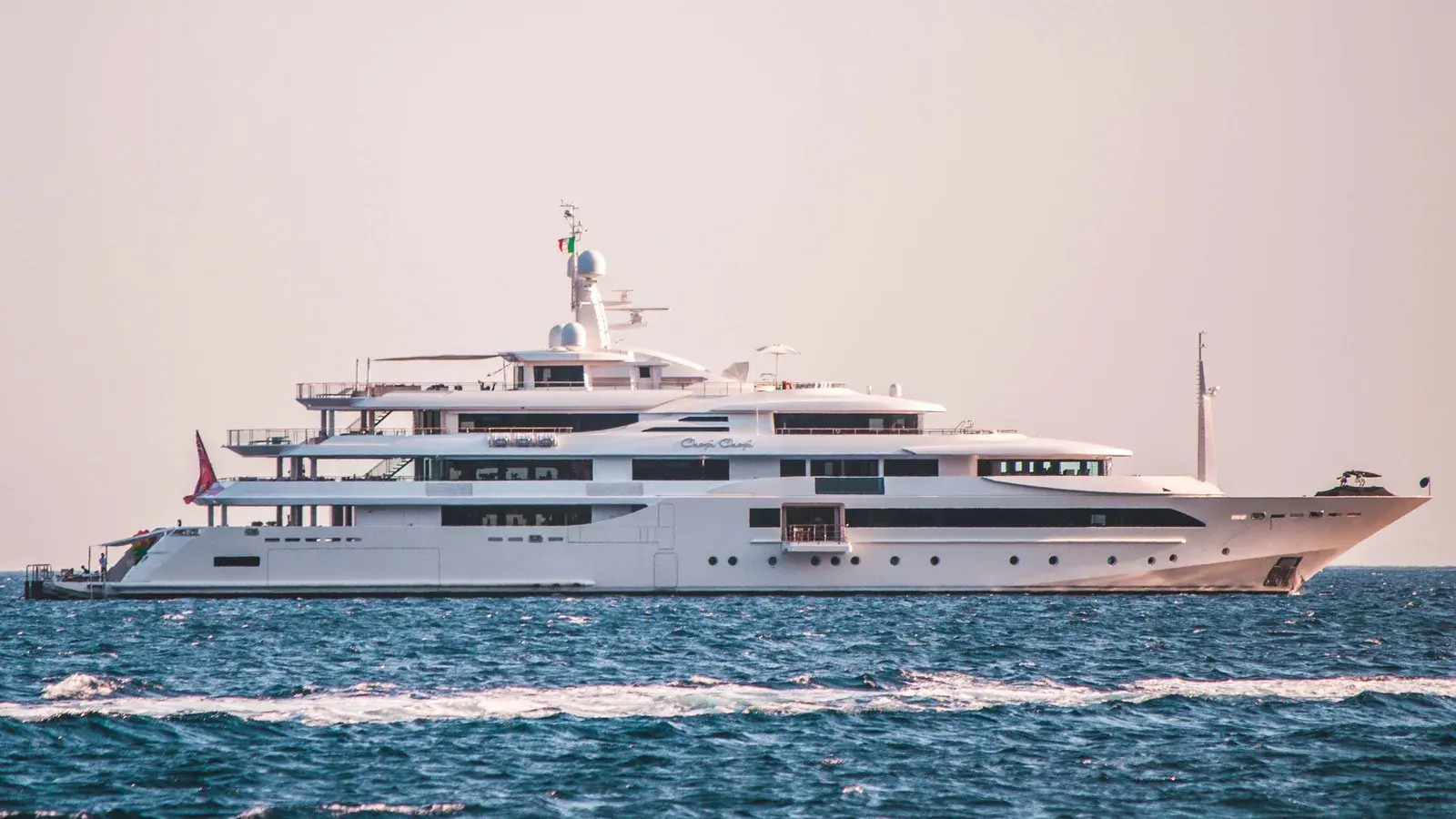
Motor yachting is defined by comfort, speed and certainty. A large motor yacht can cover a long distance in a day whatever the wind is doing, arriving when it said it would. Modern stabilisers, both under way and increasingly at anchor, make a substantial difference to how the boat feels in a swell, and that alone converts a good many reluctant guests. For families with young children, for corporate entertaining, and for anyone who wants the yacht lifestyle without any interest in sailing itself, a motor yacht is almost always the correct answer.
Volume, and why a motor yacht feels bigger
At the same overall length, a motor yacht offers substantially more usable interior and deck space. There is no mast, no rigging, no keel structure and no sail handling gear consuming volume, and the hull form can be fuller. That translates into wider saloons, larger cabins, more deck area for dining and sunbathing, and more room for tenders and toys. If you are comparing two vessels of the same advertised length, the motor yacht will feel considerably larger to live aboard, and for most charter guests that is what determines whether a week feels spacious.
Fuel and the running-cost structure
Fuel is the headline difference and it is significant. A large motor yacht at cruising speed consumes fuel at a rate that scales steeply with speed, so a modest reduction in speed produces a disproportionate reduction in consumption. Over a two-week charter, fuel alone can be a very substantial line in the provisioning account, and it is the item most exposed to both price movements and your own itinerary choices. A sailing yacht of comparable size, using its rig, burns a fraction of that. We are quoting no consumption figures, because they vary enormously by hull, engines and speed. Ask the captain for actual consumption at your intended cruising speed.
Crew, complexity and maintenance
Crew numbers are broadly comparable at a given size, but the skill mix differs. A sailing yacht needs deck crew who can genuinely handle a rig, and the rig itself is a maintenance item with its own inspection regime, standing and running rigging replacement cycles, and sail wardrobe costs that recur whether or not you sail hard. A motor yacht concentrates its complexity in the engine room, where maintenance is more predictable and more easily scheduled but where a serious failure is more likely to stop the trip entirely. Neither is cheap. They are expensive in different places.
Anchorages and draught
Draught decides where you can go, and it cuts both ways. Many large sailing yachts draw deep with a fixed keel, which excludes shallow anchorages entirely, although lifting keels and centreboards on some designs solve this and open up remarkable places. Motor yachts generally draw less at a given length. What sailing yachts win on is beam and manoeuvring in tight, pretty anchorages where a very large motor yacht is simply unwelcome. Ask specifically about draught and about the anchorages you have in mind, because this is where a captain's local knowledge earns its keep.
| Sailing yacht | Motor yacht | |
|---|---|---|
| Arriving on schedule | Wind-dependent; a fixed appointment means motoring anyway | Certain — covers long distance in a day whatever the wind does |
| Motion under way | Heels; the deck is at an angle and moving | Stabilised under way and increasingly at anchor |
| Motion at anchor | Often rolls more in the same swell | Stabilisers make a substantial difference |
| Guest participation | Guests can take the helm or the sheets | No equivalent |
| Usable space at the same length | Less — mast, rigging, keel structure and sail gear consume volume | Substantially more saloon, cabin and deck area, and more room for tenders |
| Fuel | A fraction, when using the rig | The headline cost; scales steeply with speed |
| Maintenance concentration | The rig: inspection regime, standing and running rigging cycles, sail wardrobe | The engine room: more predictable and schedulable, but a serious failure stops the trip |
| Draught | Often deep with a fixed keel; lifting keels and centreboards solve it | Generally shallower at a given length |
| Anchorages | Reaches places a large motor yacht cannot approach | Excluded from the tightest and prettiest |
| Suits | An itinerary that can flex around the weather | Young children, corporate entertaining, and anyone who wants the lifestyle without the sailing |
No consumption figures appear here on purpose: they vary enormously by hull, engines and speed. Ask the captain for actual consumption at your intended cruising speed, and ask specifically about draught against the anchorages you have in mind.
Partner
PeraSail — Motorboat Charter, France
Motorboat charters in France on PeraSail — listings with live availability, bareboat or skippered where offered.
Resale, charter revenue and the market
The charter market is meaningfully larger for motor yachts, which matters if you intend to offset ownership costs by chartering the boat out. Sailing yachts attract a smaller, more knowledgeable pool of charterers and typically achieve fewer weeks per season. On resale, both markets are driven by condition, refit history and provenance far more than by type, but the buyer pool for a large sailing yacht is narrower, which usually means a longer marketing period. If liquidity matters to you, that difference is worth weighing before the emotional argument takes over.
For first-time charterers
If you have never chartered, start with a motor yacht. It is the lower-variance choice, it suits mixed guest lists, and it will not turn on the weather forecast. Then, if the water suits you, charter a sailing yacht the following season and compare directly, ideally in a cruising ground with reliable wind such as the Aegean or the Balearics in season. That sequence costs nothing extra and answers the question far better than any article can. Our superyacht charter guide covers contracts, the APA and broker selection, and the broader yacht charter guide covers the market as a whole.
Our recommendation
If you genuinely want to sail, and your itinerary can bend around the weather, take the sailing yacht and enjoy the thing that makes it different. If you want a private floating base that reliably delivers you and your guests somewhere comfortable on time, take the motor yacht and do not feel any need to apologise for it. The worst outcome is a sailing yacht chartered by people who wanted a hotel, which is a slower, narrower motor yacht with an expensive mast. Ask the broker for the captain's own view of which suits your plan. Reviewed by the NorwegianSpark SA editorial team.
Continue Reading
More from the Journal



Continue in this collection
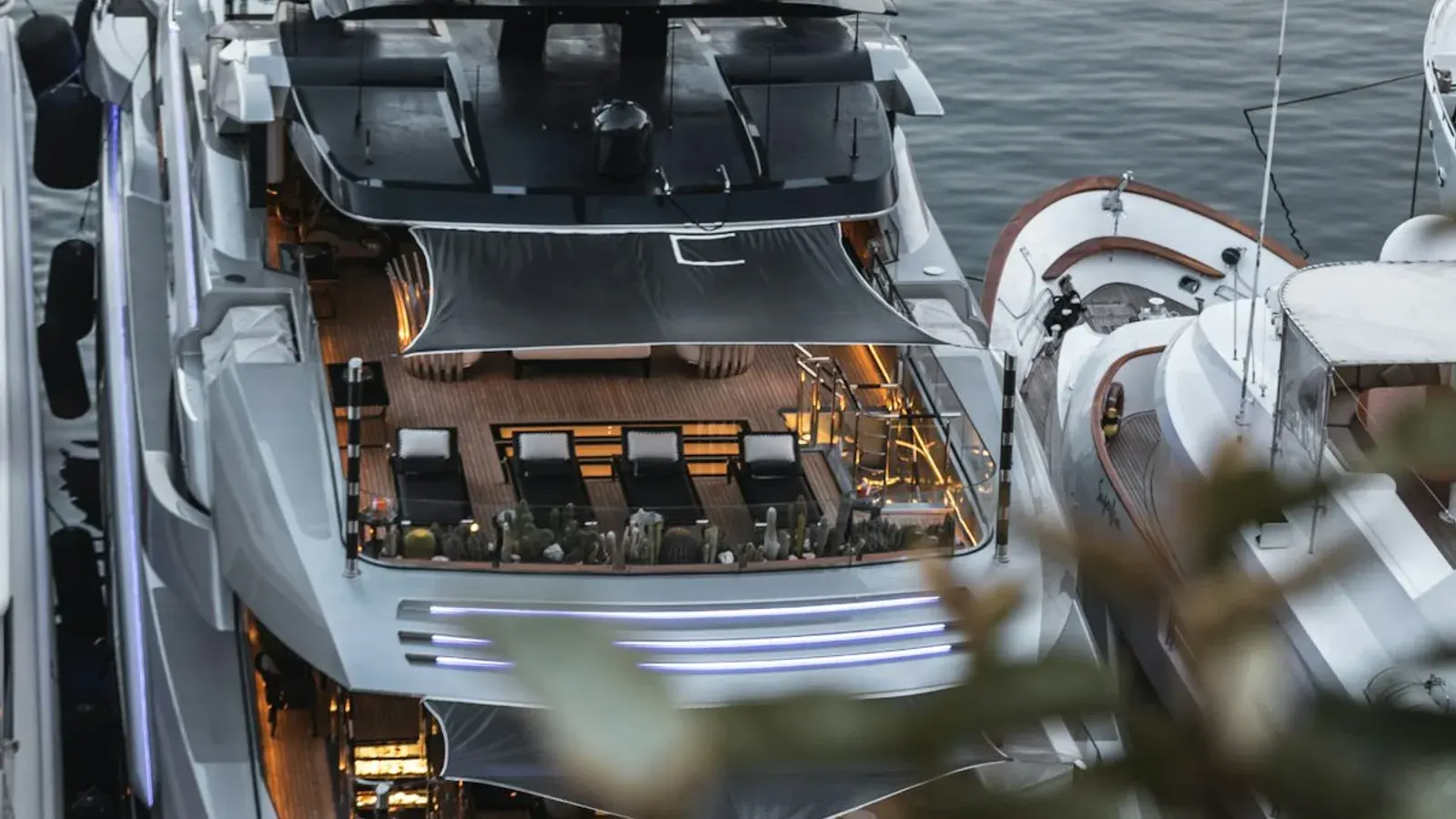
Yachts, Sailing & Classic Boats
Sailing yachts, catamarans and the beautiful old ones — the hull decides more of the week than the coastline does.
Luxury Destinations
Where to go and, more usefully, when — season, crowding and what closes out of it.

Travel Guides
Destination guides written to be used on the ground: where to stay, eat, and what to skip.