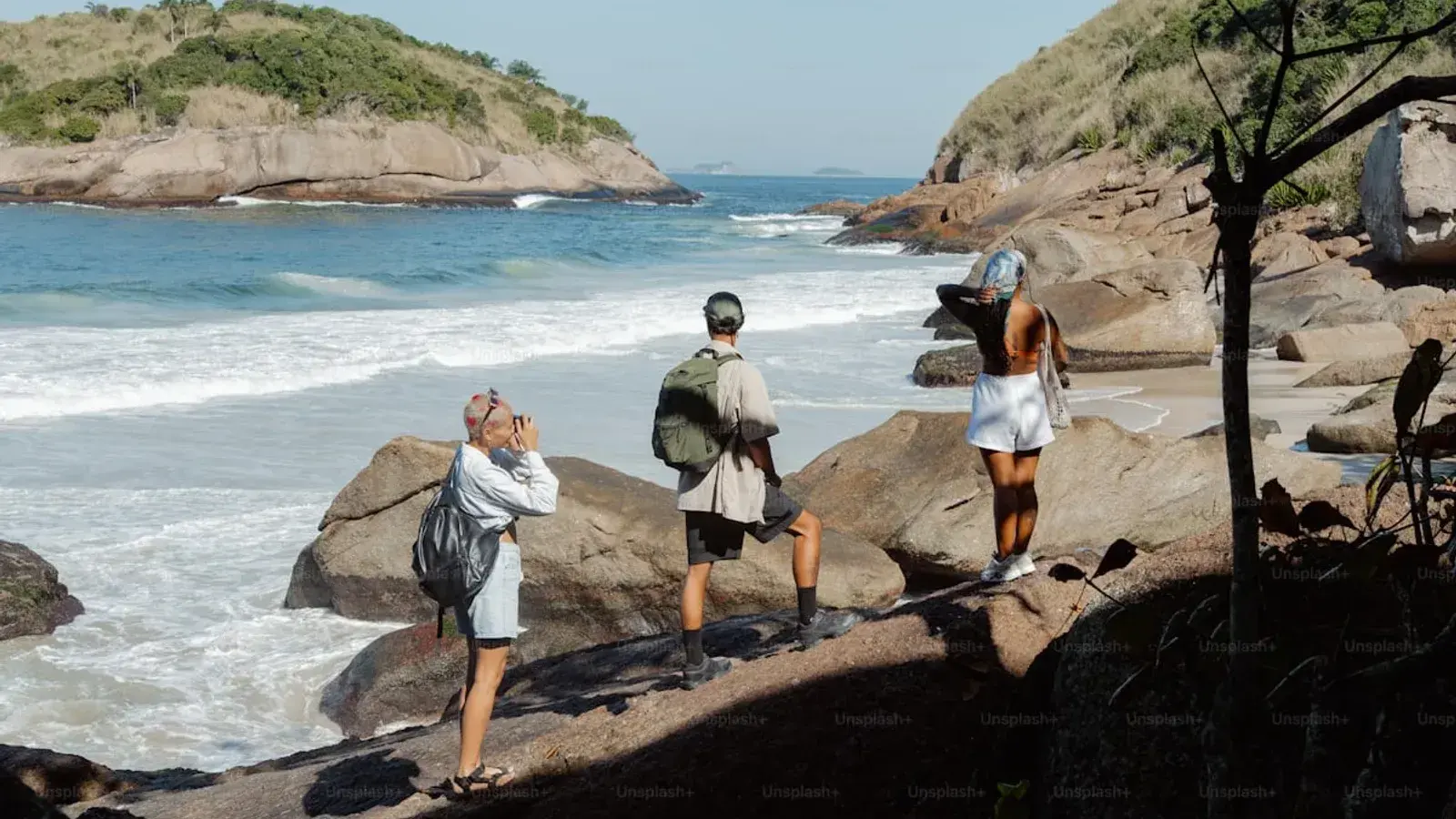
Climbing in Lofoten and Romsdal: Granite, Midnight Sun and Atlantic Weather
Where the season is measured in light rather than temperature
Climbing in Lofoten and Romsdal: the two ranges worth planning around, midnight-sun granite, the right-to-roam law, Atlantic weather and what to pack.
By NorwegianSpark Editorial — written with AI assistance and reviewed by the NorwegianSpark SA editorial team.
Norwegian climbing has a particular reputation among people who have done it and almost no profile among people who have not. The rock is superb — clean, coarse granite and gneiss that takes gear well and holds friction in the cold. The lines are long. And the setting, on the Lofoten islands in particular, puts sea-level granite walls directly above the water, which is a combination that essentially does not exist anywhere else at that quality.
What catches visitors out is that almost every planning assumption imported from the Alps is wrong here. There is no glacier, no altitude, no hut network in the alpine sense, no afternoon-thunderstorm rhythm to plan around, and no meaningful darkness for a large part of the season. The constraints are different, and so is the trip.
The two ranges worth planning around
Lofoten
An archipelago inside the Arctic Circle, running roughly southwest from the mainland, with peaks that rise straight out of the sea. The climbing is predominantly trad on excellent granite, from single-pitch crags a few minutes from the road to multi-pitch walls of several hundred metres. Because everything starts near sea level, the approach is a walk rather than an ascent, and a long route is long in pitches rather than in altitude gained.
The midnight sun is the defining feature. From late May to mid-July the sun does not set, and the practical effect is that the day has no closing time. Climbers routinely start routes in the evening — the rock is often drier, the wind drops, and the light through the small hours is genuinely extraordinary. It also completely changes how you manage weather: a wet forecast for the morning is an inconvenience rather than a lost day.
Romsdal
On the mainland, further south, and a bigger-mountain proposition. This is the valley of Trollveggen, commonly described as Europe's tallest vertical rock face at somewhere around 1,100 metres, and of a great deal of long granite around it. Romsdal rewards climbers who already have long routes in their legs; the walls are serious, the descents matter, and the rock quality varies more than Lofoten's.
Sweden's Bohuslän, on the west coast, is worth naming as the third option in the region: superb granite in a much gentler setting, with a spring and autumn season that fills the gap either side of the Norwegian summer.
“In the Alps you plan around the weather window. In Lofoten you plan around the light, and take the weather as it comes.”
Allemannsretten changes the logistics
Norway's right of access — allemannsretten — permits walking and camping on uncultivated land, which for a climbing trip removes the single largest logistical constraint. You are not tied to a campsite, so you can sleep near the approach rather than driving back each night.
The conditions are specific and they are the reason the right survives. Stay off cultivated land and away from houses and cabins — the standard figure is at least 150 metres. Two nights maximum in one spot before you ask the landowner. Take everything out, including the things people convince themselves are biodegradable. Respect fire bans, which apply through the summer months in most of the country, and check whether you are inside a national park, where separate rules apply.
Lofoten in particular has had a visible problem with visitors treating the right as a licence, and several municipalities have introduced local restrictions in response. Climbers arriving with vans and a fortnight's kit are the most conspicuous version of the problem, which is a good reason to be the least conspicuous version of the visitor.
Weather, and what to do about it
The coast is Atlantic, which means the forecast is a probability rather than a plan. Systems arrive fast, rain is common in any week of the summer, and the wind matters as much as the precipitation on exposed sea-cliff granite. Two things make a trip work: length, and mobility.
- Book longer than you think. A week in Lofoten can be four climbing days or one. Ten days to a fortnight turns a weather-dependent trip into a statistically reasonable one.
- Stay mobile. Conditions vary sharply across a few tens of kilometres, and the ability to drive to the drier side of the island is worth more than any single piece of equipment.
- Have a full rest-day plan, not a fallback. The islands are worth seeing at ground level and a genuinely enjoyable non-climbing day removes the pressure to climb in bad conditions.
- Bring the cold-weather layer even in July. Sea-level Arctic granite in wind is not warm, and belaying is not exercise.
Partner
DiscoverCars
Compares rates across suppliers, including the regional airports that serve the north. For Lofoten, check the mileage policy — the distances on the island chain add up faster than they look on a map.
Partner
Booking.com
Rorbuer — converted fishermen's cabins — are the characteristic Lofoten option and give you somewhere to dry kit, which over a fortnight is worth more than it sounds. Filter for free cancellation.
What to bring that you would not bring to the Alps
A full trad rack, because that is what the climbing is. A proper eye mask, because your body will not sleep through daylight for two weeks and being tired on a long route is a safety issue, not a comfort one. Midge protection for the sheltered inland spots. And enough dry storage that a wet day does not put you into wet kit the following morning.
Mobile coverage is good along the main road and unreliable in the fjords and on the walls, so download your maps and forecasts rather than assuming you can pull them up at the base. A paper topo is not nostalgia here.
If you are working out when in the year to go — here or anywhere with a real season — alpine season planning covers the conditions logic. For a first trip into steep ground with fixed protection instead, our Dolomites via ferrata guide is the gentler entry point.
Frequently asked questions
- Can you camp anywhere in Norway?
- Broadly yes, under the right of access known as allemannsretten, and the detail matters. It applies to uncultivated land, not to gardens, fields in use or the immediate surroundings of a house or cabin — the usual rule of thumb is to stay at least 150 metres away. You may stay up to two nights in the same spot without asking; beyond that, or anywhere near habitation, you ask the landowner. Leave the site as you found it, and note that local fire restrictions and national-park rules override the general right.
- When is the Lofoten climbing season?
- Roughly late May through August, with the midnight-sun period around late May to mid-July giving continuous daylight. That does not mean continuous good weather — Lofoten sits in the Atlantic and rain is a normal feature of any week. The advantage of the light is not that you climb at midnight for the novelty; it is that a wet morning does not cost you the day, because the route is still there at nine in the evening.
- How big is Trollveggen and can you climb it?
- Trollveggen — the Troll Wall, in Romsdal — is commonly cited at roughly 1,100 metres and described as the tallest vertical rock face in Europe. It is climbed, but it is not a destination for a first Norwegian trip: the rock has a reputation for being loose and the routes are long, committing and serious. Base jumping from the wall has been prohibited since the 1980s. Romsdal has a great deal of excellent, less committing granite around it, which is what most visiting climbers actually come for.
- Do you need a car to climb in Lofoten?
- In practice, yes. The islands are strung along a single main road with buses that connect the villages on a schedule built for residents rather than for climbers moving between crags at odd hours. Approaches start from lay-bys and side roads, gear is heavy, and the weather makes flexibility valuable — being able to drive forty minutes to the side of the island where it is not raining is often the difference between a climbing day and a rest day.
Continue Reading
More from the Journal


Continue in this collection
Experiences & Activities
Charters, safaris and private islands — booking windows, and what the day rate excludes.
Luxury Destinations
Where to go and, more usefully, when — season, crowding and what closes out of it.
Travel Guides
Destination guides written to be used on the ground: where to stay, eat, and what to skip.