Aviationtags: Own a Piece of Aviation History
How a decommissioned airliner becomes a keyring, how to pick a registration that means something, and why an edition that sells out never comes back
Aviationtags are cut from the skin of specific retired aircraft, so no two are alike. How they are made, how to choose one, and the case against buying.
By NorwegianSpark Editorial — written with AI assistance and reviewed by the NorwegianSpark SA editorial team.
There is a particular kind of object that only makes sense once you are holding it. An Aviationtag is a luggage tag about the size of a credit card, cut from the fuselage skin of an aircraft that has been retired and broken up. It is not a replica, not a print of an aircraft, and not a piece of merchandise with a livery on it. It is a piece of the actual aeroplane, with the actual paint still on it.
That distinction is the entire product, and it is also why the catalogue behaves so strangely. We checked it in full on 20 August 2026: of 371 editions listed, 291 were sold out in every variant. That is 78 per cent of the shop unavailable. When we ran the same check on 21 July it was 57 per cent. When we looked again on 6 September 2026, the sold-out collection alone ran to fifteen pages of listings. The catalogue is not being restocked, because it cannot be.
How an airliner becomes a keyring
When a commercial aircraft reaches the end of its economic life it is flown to a teardown facility, stripped of engines, avionics, interiors and anything else with a resale value, and the airframe itself is scrapped. The fuselage skin — thin aluminium alloy, painted in the airline's livery, weathered by however many years and pressurisation cycles it has been through — is the part that has no obvious second life.
That is the material an Aviationtag is cut from. Each edition corresponds to one specific aircraft and is named for that aircraft's registration, the alphanumeric code painted on its tail. Because the panel is cut from a painted surface rather than manufactured, no two tags in an edition are identical. Some carry a clean run of livery colour, some catch a stencil line or a rivet hole, and some show the primer and bare metal beneath where the paint has been abraded.
“You are not buying a design. You are buying a specific square of a specific aeroplane, and the variation between tags is the evidence of that.”
The practical consequence is that the supply of any edition is bounded by the physical aircraft. Once the usable skin has been cut and sold, that registration is finished. There is no reprint, no second run and no restock. This is the mechanism behind the sold-out figures above, and it is worth understanding before you spend an evening deciding between two editions and find that one of them has gone in the meantime.
The registration is the whole story
An aircraft registration is the alphanumeric code painted near the tail — D-AIHE, 4X-ELA, A6-APA — and it belongs to one airframe for the whole of its working life. It is the reason an edition can be dated, traced and talked about at all. Every commercial aircraft ever built has a documented history attached to that code: when it was delivered, which airlines operated it, which fleet name it carried, and when it was withdrawn. Before you buy an edition, spend ten minutes reading the history of the registration rather than the history of the type. The type tells you what the aeroplane was. The registration tells you what this one did.
How to choose one that actually means something
The registration matters more than the aircraft type. Pick an aircraft the owner has actually flown on, or an airline they have a reason to care about, and the object means something; pick the most famous type available and it is a nice piece of metal. If nothing personal applies, an A380 edition is the aircraft non-enthusiasts recognise on sight. In practice there are four routes to a choice that sticks:
- The aircraft they flew. If you can find the registration of a specific flight that mattered — a honeymoon, an emigration, a first long-haul as a child — nothing else on this list competes. Old boarding passes, airline apps and flight-tracking histories can all surface a registration years after the fact.
- The airline they belong to. A national carrier from the country somebody grew up in carries more weight than a more glamorous airline they have no relationship with.
- The route they know. A regional turboprop that served a coastline somebody knows well is a more personal object than a widebody they once saw at a gate.
- The type that is ending. Passenger operations of a type do genuinely stop, and the aircraft that defined an era are the ones people wish they had bought a piece of afterwards.
What makes one edition harder to get than another
Scarcity here is physical rather than commercial, which makes it unusually easy to reason about. The usable painted skin on one airframe is finite, and how many tags come out of it depends on the size of the aircraft, how much of the fuselage was in a condition worth cutting, and how the panels were divided. A widebody yields more than a turboprop. A section of livery with a clean colour run yields more presentable tags than a scuffed belly panel. Beyond that, demand does the rest: recognisable types and famous liveries clear faster than obscure ones, and any edition tied to an aircraft that has been in the news clears fastest of all. None of that is predictable enough to trade on, which is exactly why we would not encourage you to try.
Where we got one, and what we can tell you about it
Aviationtag sent us a sample tag — the Lufthansa A340-600 edition — so that we could photograph it ourselves rather than reuse the catalogue images every other page is running. We are telling you that plainly because it is relevant to how you read the rest of this piece. It did not change what is written here, and the assessment of the catalogue's availability came from the shop's own product data rather than from anything we were told.
What the sample does confirm is the thing that is hardest to convey in a product shot: the tag has weight and a cut edge. The aluminium is thicker than you expect from the photographs, the paint has genuine surface texture, and the cut edge is finished but unmistakably a cut edge. It reads as a component rather than as a souvenir, which is the whole appeal. It is also, and this is worth saying because nobody selling one will, a piece of scrap metal with a hole in it. If that sentence makes the object less appealing rather than more, this is not a product for you, and that is a perfectly reasonable conclusion.
Partner
Aviationtag
The full catalogue of currently available editions — availability changes constantly.
Six editions worth starting with
The six below were all confirmed available on 20 August 2026. They are chosen for aircraft that a reader is either likely to have flown on or likely to recognise on sight, which is what makes the object mean something rather than simply being old metal. We have deliberately removed the prices we recorded that day: they were accurate then, availability moves faster than any published guide, and a price quoted in an article is the one thing a reader should never rely on. Check each listing.
| Edition | Registration | Type | Why this one |
|---|---|---|---|
| Etihad Airbus A380 | A6-APA | Four-engined widebody | The most recognisable widebody of its generation |
| Lufthansa Airbus A380 | D-AIMI | Four-engined widebody | The European flagship counterpart |
| Lufthansa Airbus A340-600 | D-AIHE | Stretched four-engined long-haul | The long-haul type most European flyers actually rode |
| El Al Boeing 747 | 4X-ELA | Four-engined widebody | A 747-400 from a retired passenger fleet |
| Widerøe Dash 8 | LN-WFP | Regional turboprop | Norway's coastal network, at turboprop scale |
| Etihad Boeing 777 | A6-LRB | Long-haul twinjet | The broadest association of the six |
Six editions, chosen on recognisability and on how likely a reader is to have actually flown the type. Availability and price change constantly — check the listing.
Etihad Airbus A380 — A6-APA
The A380 is the aircraft non-enthusiasts recognise, and Etihad's were the only ones in the world to carry The Residence, the three-room cabin suite with its own bedroom and butler. That was a type-level distinction across the airline's A380 fleet rather than something we can attribute to one tail number, but it is the reason this livery carries the association it does. It is the edition most likely to be recognised by somebody who does not follow aviation at all. If your interest in these aircraft runs to the flying rather than the metal, our comparison of the private jets worth knowing in 2026 covers the other end of the same enthusiasm.
Partner
Aviationtag
The A380 registration with the strongest association of the six.
Lufthansa Airbus A380 — D-AIMI
The European counterpart, and a useful alternative if the Etihad edition has sold out by the time you read this. Lufthansa's A380 fleet spent its career on the airline's long-haul trunk routes out of Frankfurt and Munich, which makes it a plausible aircraft for a European reader to have actually been aboard rather than merely seen.
Partner
Aviationtag
The European A380 flagship, out of Frankfurt and Munich.
Lufthansa Airbus A340-600 — D-AIHE
This is the sample we were sent, and on reflection it is the one we would recommend to most people. The A340-600 was the stretched, four-engined long-haul workhorse of the pre-787 era, and Lufthansa operated a large fleet of them for years. If you flew long-haul from Europe in the 2000s or 2010s there is a reasonable chance you were on one. The edition is named Leverkusen, following Lufthansa's convention of naming aircraft after German cities.
One thing worth knowing before you click: the collector and business sets for this registration are sold out, and it is the single tag that remains available. If a listing appears to offer a multi-tag set, check what is actually in stock before ordering.
Partner
Aviationtag
The sample we were sent, and the one most European long-haul flyers have actually ridden.
El Al Boeing 747 — 4X-ELA
The 747 is the aircraft that gave the phrase Queen of the Skies its meaning, and passenger 747 operations have now ended at most of the airlines that made the type famous, El Al among them. A tag cut from a 747-400 is the closest most people will get to owning a piece of that era.
Partner
Aviationtag
A 747-400 from a passenger fleet that no longer flies the type.
Widerøe Dash 8 — LN-WFP
Not every memorable aircraft is a widebody. Widerøe operates the short-runway regional network that connects the Norwegian coast, flying Dash 8 turboprops into airports that larger aircraft simply cannot use. For anyone who has flown between coastal towns in Norway, this is a far more personal object than an A380 they once saw at a gate. It is the edition on this list with the strongest sense of a specific place attached to it — and if that place interests you, where to stay in Bergen is the other end of the same journey.
Partner
Aviationtag
The Norwegian coastal network, at turboprop scale.
Etihad Boeing 777 — A6-LRB
The sensible first purchase. The 777 is the most widely flown long-haul twinjet of its generation, so the association is broad rather than niche, and it sits at the lower end of the range — a cheap way to find out whether you actually like owning one of these before committing to an A380 edition.
Partner
Aviationtag
The broadest association of the six, and the sensible first purchase.
Checking what you are actually buying
The category has more than one maker, and second-hand listings for sold-out editions appear on general marketplaces. Buying from the maker's own shop settles the question entirely. If you are buying elsewhere, the things worth checking are simple. Does the listing name a registration, and does that registration correspond to a real airframe of the type claimed? Is there an edition number or serial on the tag itself? Do the photographs show the actual tag being sold, with its own paint and its own cut edge, rather than a catalogue image? Is the seller describing the paint truthfully, including the flaws? A genuine tag is defined by its imperfections, so a seller who photographs only the good side is telling you where to look.
Looking after one
It is aluminium with decades-old aircraft paint on it, so treat it as paint rather than as metal. Do not use solvents, polish or abrasive cloths on the painted face; a dry cloth and, at most, a little water is the whole regime. Expect it to pick up marks if you actually use it on a bag, because a keyring in a pocket lives a hard life and the paint is the part that will show it. That is a legitimate choice — a tag that travels and wears is arguably more in keeping with the object than one in a drawer — but make it deliberately rather than discovering it after a fortnight. If you are keeping it as a collection piece, a flat drawer away from direct sunlight is enough; sustained UV is the one environmental factor that will visibly change the paint.
The honest case against buying one
Treat them as objects, not as assets. There is no published index, no auction record we can read and no resale data we hold, so anyone telling you what an edition will be worth later is guessing. Buy the one you want to carry; if a sold-out edition appreciates, treat it as a bonus rather than a plan. Two further honest cautions. The scarcity story is genuine but it is also a sales mechanism, and urgency is the oldest reason in retail to buy something you had not decided to buy. And a tag from an aircraft that means nothing to the recipient is a keyring, not a gift, however famous the type — the whole value of the object is the association, and the association cannot be bought at a higher price point.
Before you buy
- Availability moves faster than any published guide. Between 21 July and 20 August 2026 the proportion of sold-out editions went from 57 per cent to 78 per cent. Check the listing itself rather than trusting a price quoted anywhere, including here.
- Tags within an edition vary. Colour, wear, stencil fragments and paint depth all differ, because the panel is cut from a real painted surface. If you have a specific look in mind, expect to take what arrives.
- Prices exclude tax and shipping, and both are charged at checkout.
- If you are ordering outside the shop's own market, budget for import duties, VAT and a carrier handling fee on arrival — on an item at this price point those are not trivial relative to the tag itself.
- As a gift, the registration matters more than the price. A tag from an aircraft the recipient has actually flown on is worth considerably more to them than a more expensive one from an aircraft they have not.
- Check whether a listing is a single tag or a multi-tag set, because the sets sell out first and a set page can survive its own stock.
If none of the six above is right, the full catalogue carries the remaining available editions across a wide range of airlines and types. It is worth browsing it directly, because what is in stock on any given day is genuinely unpredictable. Our other aviation coverage sits under Private Jets & Air Travel, which is about flying rather than collecting — including what a charter on these types actually costs and how the two big programmes differ.
Frequently asked questions
Is the material really from the aircraft?
Yes. Each tag is cut from the fuselage skin of a specific decommissioned aircraft, and the edition is named for that aircraft's registration. Because the panel is cut from painted skin, the colour, wear and paint layers vary from tag to tag within the same edition.
Why are so many editions sold out?
Each edition is limited by the physical aircraft it came from — once the usable skin has been cut, that edition cannot be reprinted. Checking the full catalogue on 20 August 2026 we found 291 of 371 editions sold out in every variant, which is 78 per cent. A month earlier the same check returned 57 per cent, and the direction of travel only goes one way.
Which edition should a first-time buyer choose?
The registration matters more than the aircraft type. Pick an aircraft the owner has actually flown on, or an airline they have a reason to care about, and the object means something; pick the most famous type available and it is a nice piece of metal. If nothing personal applies, an A380 edition is the aircraft non-enthusiasts recognise on sight.
Do tags within one edition look the same?
No, and that is the point. The panel is cut from a real painted surface, so colour, wear, stencil fragments and paint depth all differ. Some tags carry a clean run of livery colour, some catch a stencil line or a rivet hole, and some show primer or bare metal where the paint has been abraded. If you have a specific look in mind, expect to take what arrives.
Are they worth anything as an investment?
Treat them as objects, not as assets. There is no published index, no auction record we can read and no resale data we hold, so anyone telling you what an edition will be worth later is guessing. Buy the one you want to carry; if a sold-out edition appreciates, treat it as a bonus rather than a plan.
A note on the figures in this article. The two availability measurements are our own, taken from the shop's product data on 21 July and 20 August 2026 and dated in the text; the fifteen-page sold-out collection was read on 6 September 2026. No price appears anywhere, because every price we recorded on 20 August has been removed rather than carried forward — prices and stock move, and a figure that has quietly gone stale is worse than no figure at all. Reviewed by the NorwegianSpark SA editorial team.


Continue Reading
More from the Journal


Continue in this collection
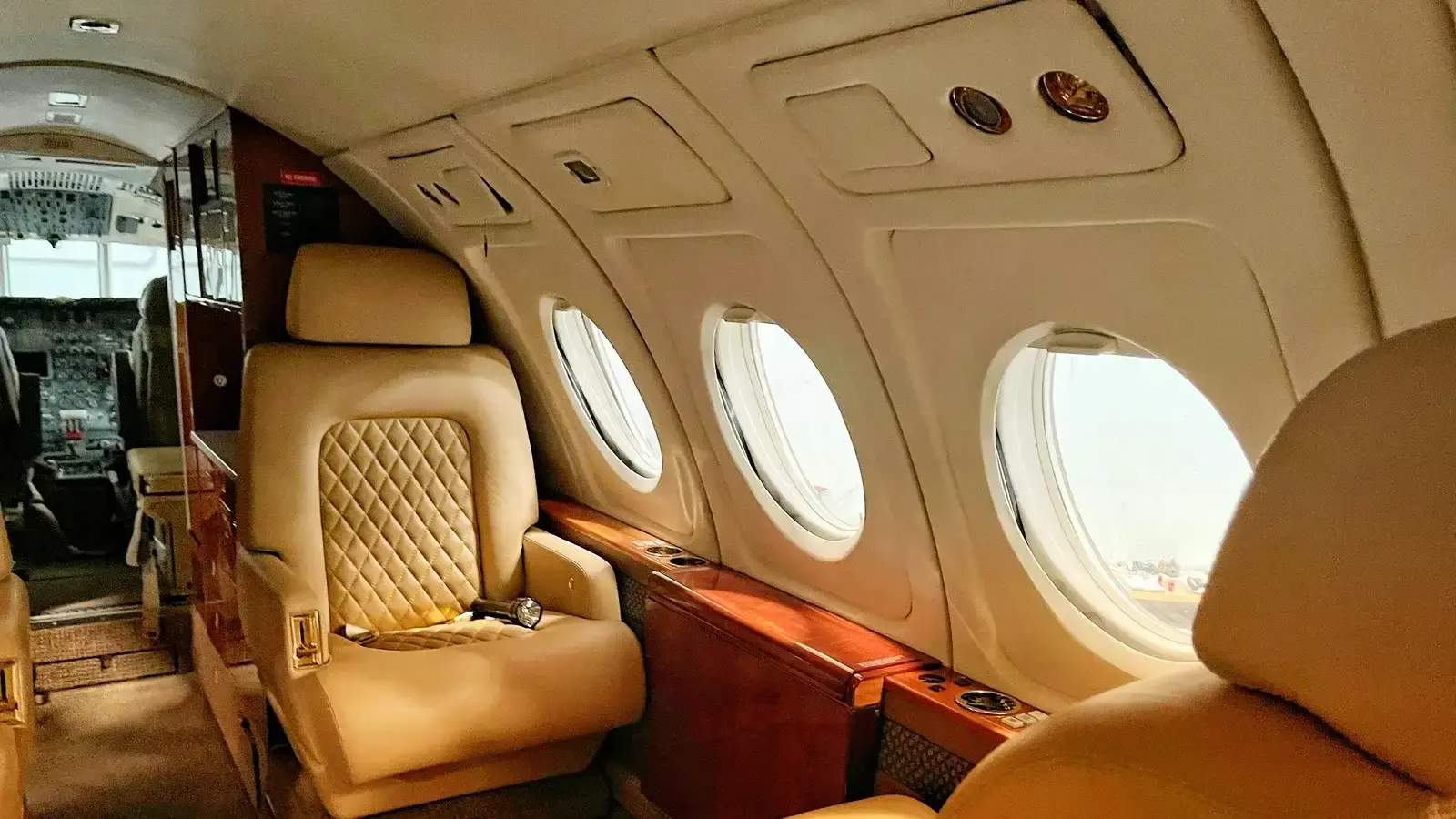
Private Jets & Air Travel
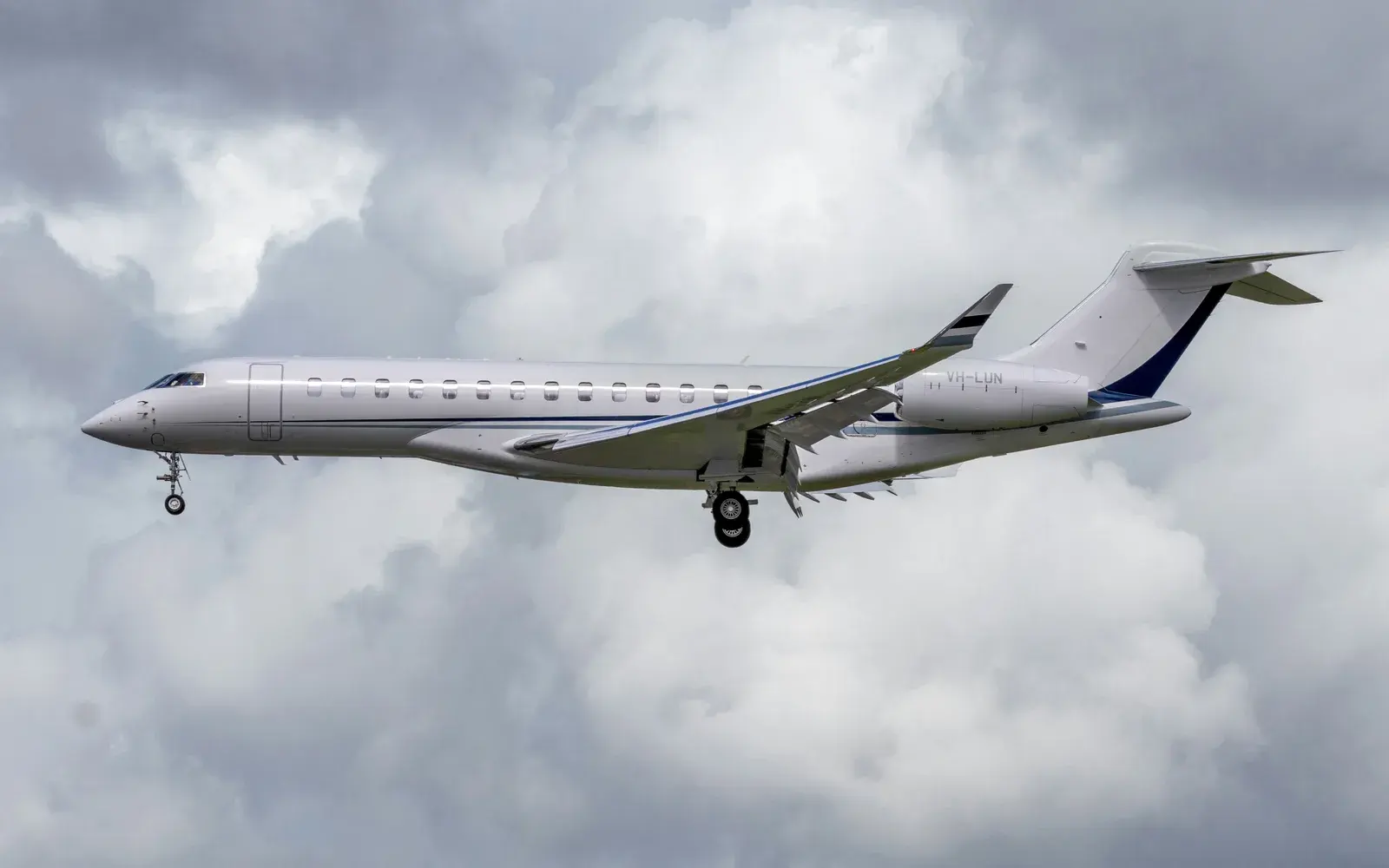
Charter, empty legs and memberships — the hourly rate against what you actually pay.
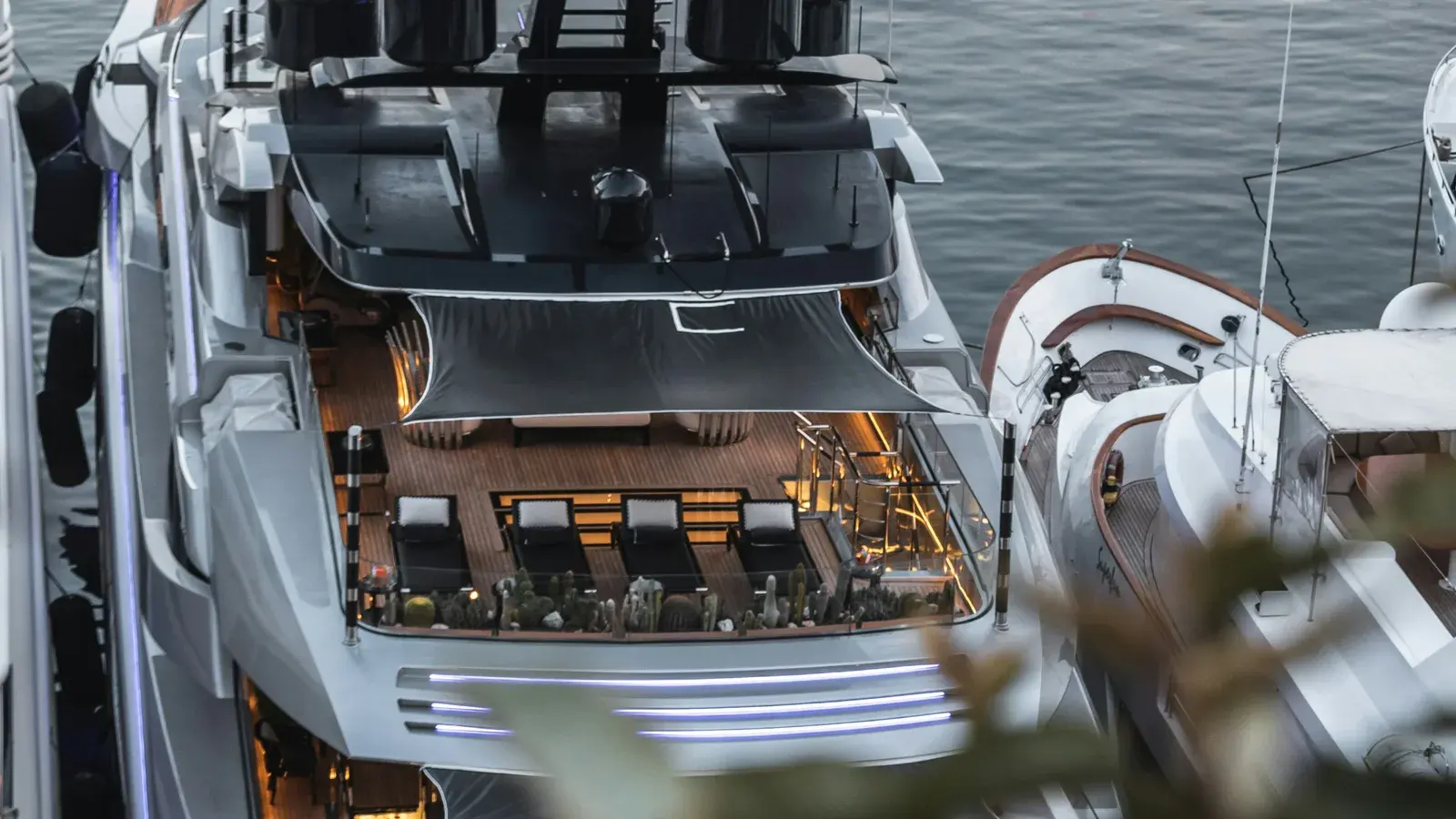
Experiences & Activities
Charters, safaris and private islands — booking windows, and what the day rate excludes.

Travel Planning
Budgeting, insurance and concierge services, judged on what they do when a trip goes wrong.