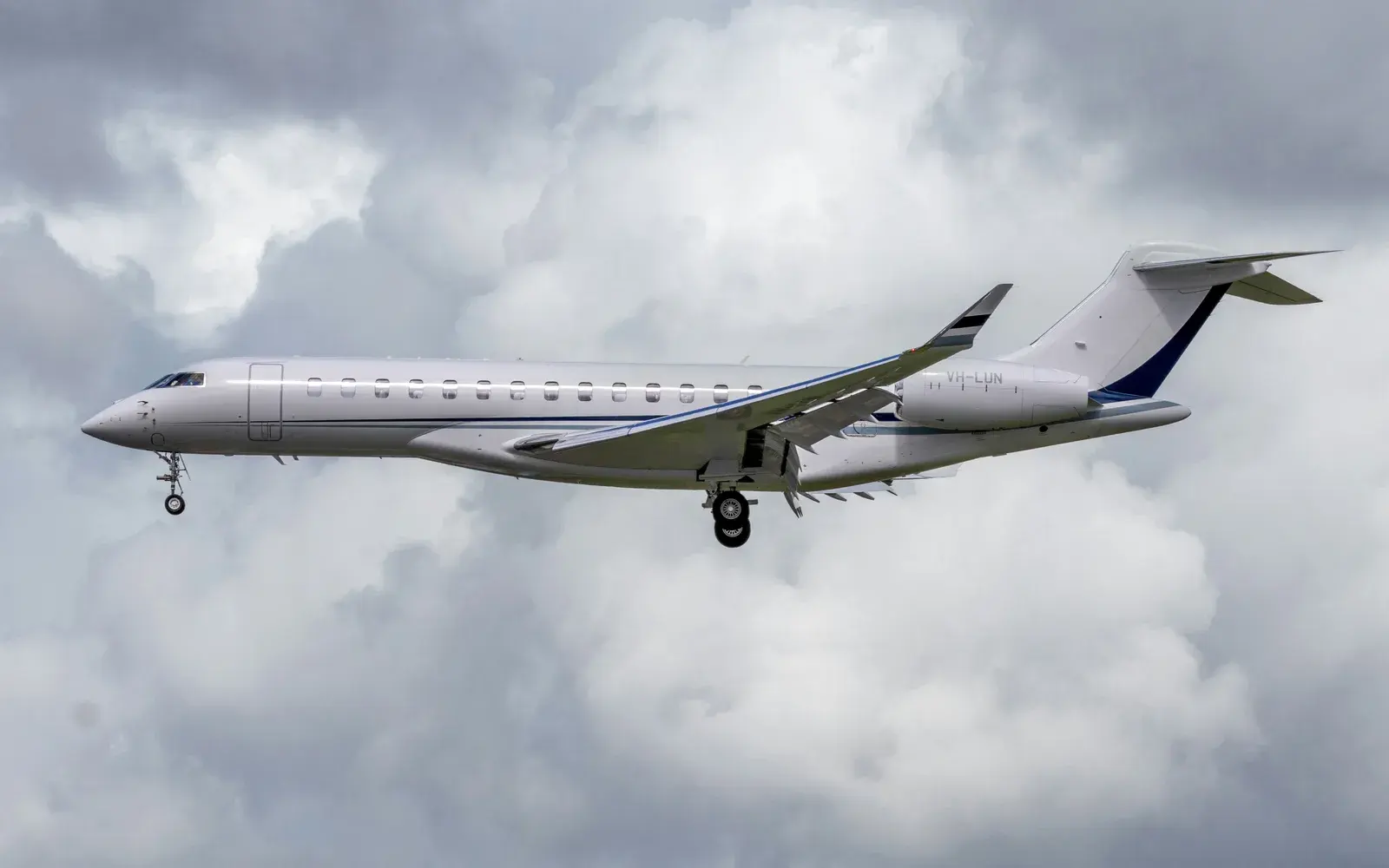
Mastering Multi-Leg Private Aviation & Group Charter Economics
From European multi-city tours and Caribbean island-hopping circuits to African safari aviation, discover how to leverage Villiers for flawless multi-sector itineraries.
Group private jet charter and multi-leg trips: routing without backtracking, cost pooling, aircraft sizing, mountain and island runways, crew duty.
By NorwegianSpark Editorial — written with AI assistance and reviewed by the NorwegianSpark SA editorial team.
What this guide covers
- Multi-Sector Fleet Matching: Why changing aircraft categories across legs (e.g. Heavy Jet for intercontinental, Turboprop/Light Jet for island hops) maximizes operational efficiency.
- Group Passenger Leverage: How pooling 6 to 12 travelers on an on-demand charter achieves competitive parity with commercial First Class while delivering absolute privacy and schedule autonomy.
- Remote & Short-Field Runway Access: Overcoming runway length and mountain terrain limitations at specialized airports like St. Barth's (SBH), Aspen (ASE), Courchevel (CVF), and safari bush strips.
- Crew Duty Time & Overnight Layover Logistics: Navigating pilot flight-hour regulations on fast-paced multi-stop itineraries without unexpected delay penalties.
- Centralized Global Coordination via Villiers: Managing multi-operator legs, ground handling, and local slot allocations through a single dedicated flight concierge interface.
1. The Multi-Leg Paradigm: Conquering Geography Without Backtracking
Why sophisticated travelers use multi-sector private aviation to reclaim hundreds of lost vacation hours.
The fundamental flaw of commercial airline travel is its hub-and-spoke architecture. To travel between secondary luxury destinations—such as Florence to Saint-Tropez, or Aspen to Cabo San Lucas—commercial passengers are forced to fly backward through crowded central hubs (such as Frankfurt, Paris CDG, Dallas, or Denver), enduring stressful connections, luggage re-checks, and full-day travel commitments.
By contrast, point-to-point private aviation charter turns complex multi-destination journeys into effortless direct flights.
The Power of Point-to-Point Itinerary Architecture:
- Direct City-Pair Connections: Fly directly between regional airports situated within fifteen minutes of your actual accommodations.
- Dynamic Departure Timings: Choose departure times that align with your lifestyle—depart after a relaxed brunch or conclude a business meeting without fear of missing a fixed airline schedule.
- Preservation of Cognitive Energy: Eliminating airport security lines, boarding cattle calls, and layover sprints preserves mental clarity, ensuring you arrive at each destination refreshed and energized.
- Access to 40,000+ Global Runways via Villiers: Querying over 10,000 aircraft worldwide ensures optimal airframe availability at regional airfields across Europe, the Americas, Asia-Pacific, and the Caribbean.
“A classic summer itinerary (London Farnborough → Florence Peretola → Olbia Costa Smeralda → Ibiza → London) requires over 24 hours of commercial transit time and multiple connecting flights. On a private Super-Midsize jet chartered via Villiers, each leg takes under 90 minutes, returning two full vacation days to the travelers.”

Partner
Villiers Jets
On-demand private charter and empty-leg repositioning flights across a 10,000-aircraft network.
2. Group Passenger Economics: The Cost-Pooling Leverage
How traveling with 6 to 12 companions unlocks private jet luxury at commercial First Class economics.
A persistent misconception is that private jet charter is exclusively intended for solo travelers or ultra-wealthy individuals traveling alone. In reality, private aviation is priced per aircraft charter rather than per seat. When an aircraft is chartered, the cost remains constant whether there is one passenger or eight passengers on board.
This creates tremendous economic leverage when traveling with family, executive teams, or companion couples:
The Group Charter Economic Principle: 1. Fixed Asset Charter vs. Per-Seat Commercial Pricing: Commercial airlines charge for each individual First Class seat. On a long-haul route, eight commercial First Class tickets quickly accumulate a massive total expenditure. 2. On-Demand Broker Market Parity: By utilizing an open broker network like Villiers, travelers access direct operator charter rates without paying retail markups. When the total charter cost is divided across 6 to 8 passengers, the per-person outlay frequently approaches or matches commercial premium cabin fares. 3. Unrivaled Intangible Value: Beyond raw numbers, group private charter delivers complete cabin privacy, bespoke catering customized to everyone's tastes, direct pet travel, and hours saved at every destination.
Multi-Family Caribbean Island Circuit
1. The group utilized Villiers to charter a 9-seat Citation Sovereign for a 3-stop route (Miami → Providenciales → St. Barth's → Miami). 2. Dedicated FBO departures eliminated airport security and connection delays. 3. Baggage and water sports gear were loaded directly into the jet's generous cargo hold. 4. Each island hop took under 45 minutes door-to-door.
- What it costs or saves: Two families totaling 8 passengers booked a multi-stop Caribbean itinerary with full private jet convenience and direct tarmac boarding on every island hop.
- The takeaway: Group private charter turns complex regional multi-stop travel into an effortless shared family adventure.

Partner
EKTA
Travel medical and trip-interruption cover for international trips.
3. Airframe Category Sizing: Matching Mission, Range & Runway
Choosing between Turboprops, Light Jets, Super-Midsize, and Heavy Flagships across diverse sectors.
On complex multi-leg journeys, the optimal aircraft for Leg 1 may be entirely different from the optimal aircraft for Leg 3. Advanced itinerary planning involves strategic airframe matching:
Aircraft Categories and Their Strategic Missions:
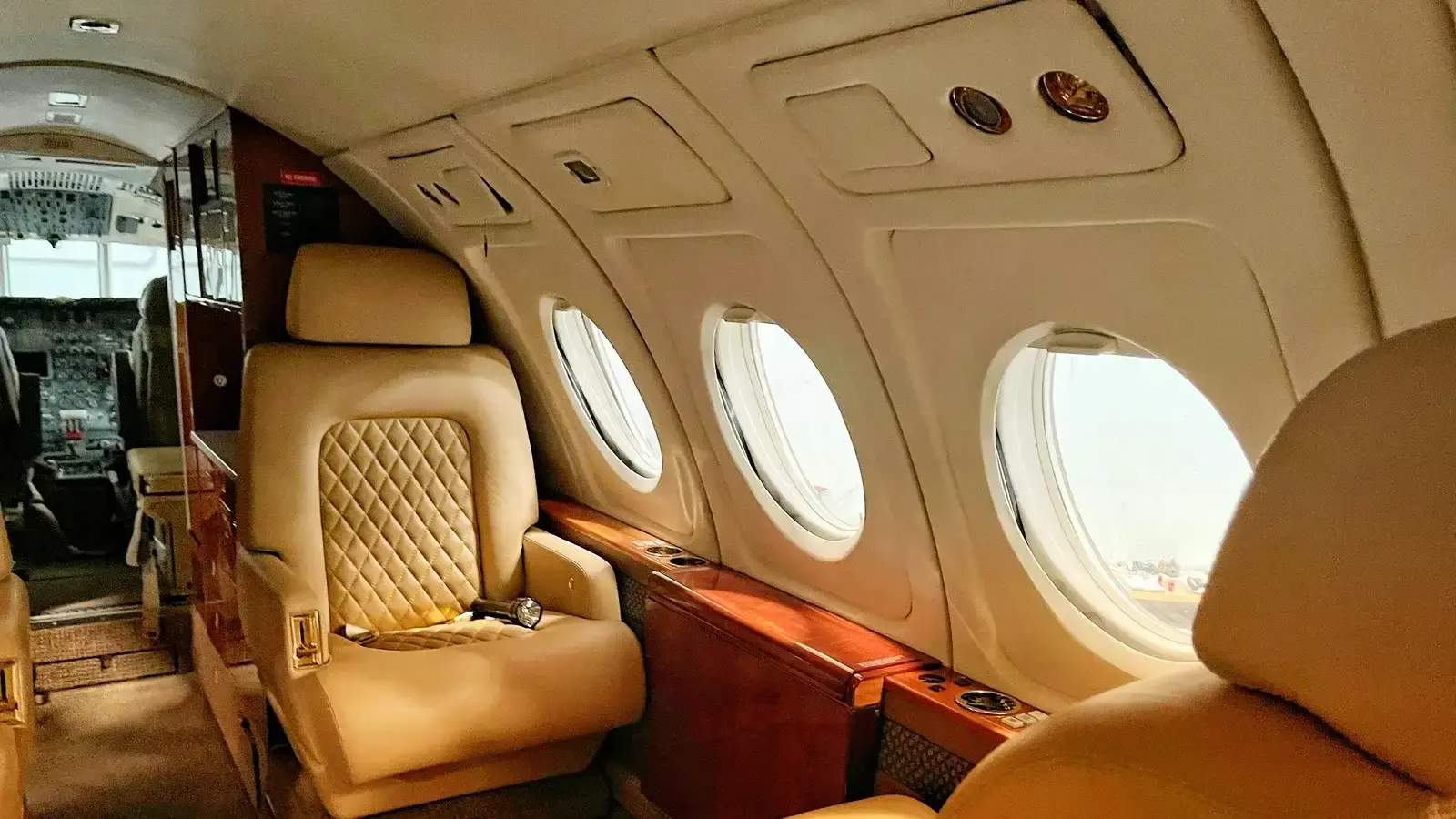
- Turboprops (Pilatus PC-12, King Air 350i): Unmatched short-field performance. Essential for unpaved grass safari strips in Kenya/Tanzania, short Caribbean island runways, or high-altitude mountain airstrips where jet aircraft cannot legally land.
- Light Jets (Phenom 300, Citation CJ4): High speed and economical regional hops for 4 to 6 passengers across flight stages under 1,800 nautical miles (e.g. New York to Miami, London to Milan).
- Super-Midsize Jets (Challenger 350, Citation Latitude): The workhorses of transcontinental travel. Seating 8 to 10 passengers with stand-up cabins, generous luggage bays, and 3,200 nautical mile range (e.g. New York to Los Angeles, London to Dubai).
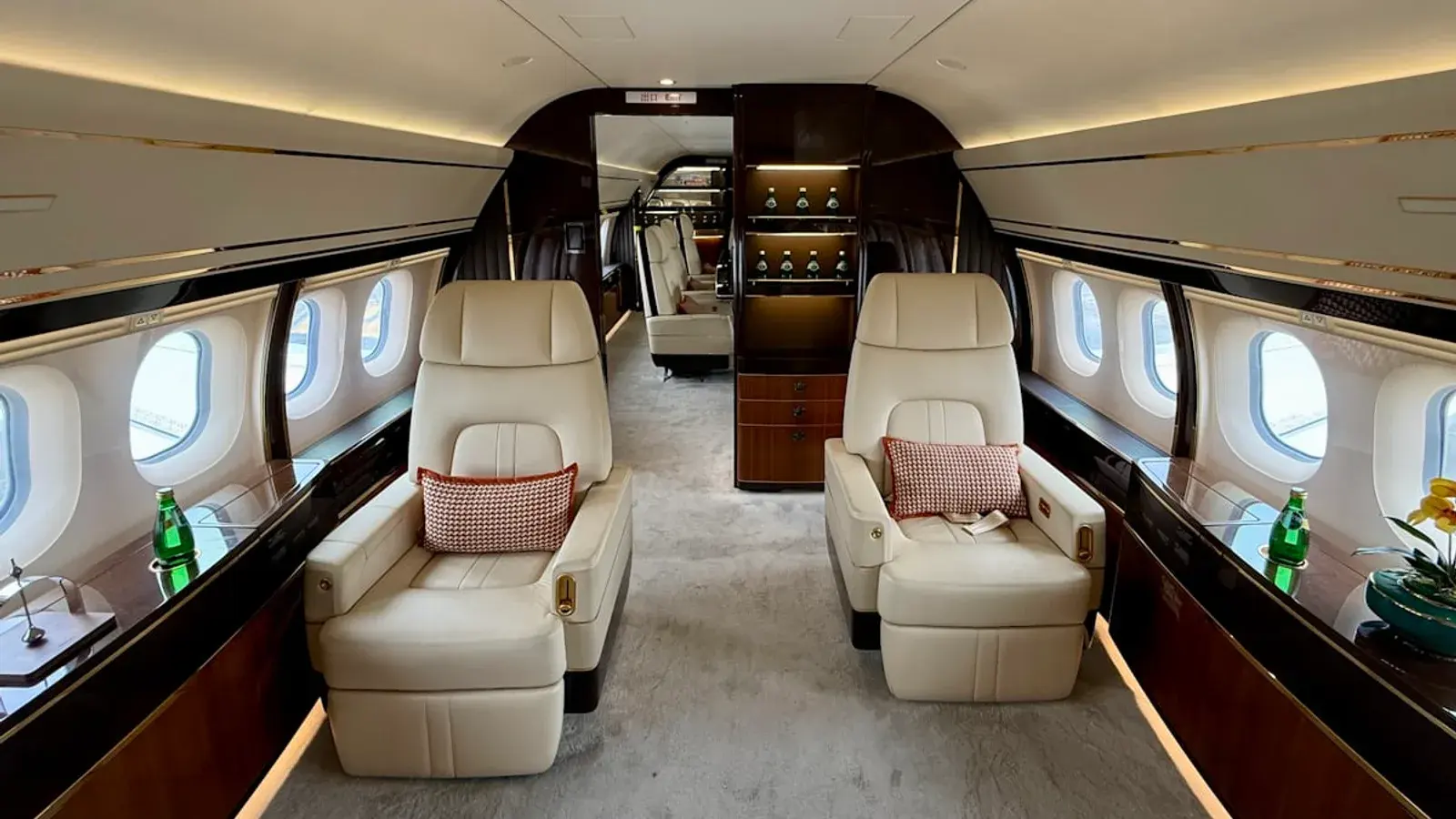
- Ultra-Long-Range Flagships (Gulfstream G650ER, Bombardier Global 7500): Intercontinental flagships featuring multi-zone staterooms, lie-flat bedrooms, full galleys, and 7,500+ nautical mile range, connecting city pairs like London to Singapore or Los Angeles to Tokyo non-stop.

Partner
Hertz
Premium and prestige hire cars at airport and city desks worldwide.
4. Navigating Specialized, Mountain & Island Runways
Operational requirements for landing at Aspen, St. Barth's, Courchevel, and remote atolls.
Some of the world's most desirable luxury destinations feature challenging runway environments that require specialized aircraft and pilot certifications:
High-Profile Specialized Runways: 1. St. Barth's (Gustaf III Airport - SBH): Featuring a famously short 2,100-foot runway ending directly on the beach, standard jets cannot land here. Private travelers fly via heavy jet to St. Maarten (SXM) or San Juan (SJU), then transfer to a chartered Pilatus PC-12 turboprop or private luxury catamaran tender for the final approach. 2. Aspen Pitkin County Airport (ASE): High-altitude mountain terrain and strict noise curfews require specialized pilot training and aircraft with robust high-density altitude performance (such as the Challenger 350 or Gulfstream G280). 3. Courchevel Altiport (CVF): With a 1,760-foot steeply sloping runway and no go-around capability, only certified STOL turboprops operated by specially qualified mountain pilots can touch down on the snow-covered runway. 4. Remote Safari Bush Strips (Serengeti, Okavango, Masai Mara): Unpaved gravel or grass strips require robust twin-engine turboprops (like the Cessna Grand Caravan or Beechcraft King Air) with high-clearance landing gear.
“A wildlife expedition team booked an Ultra-Long-Range Global 6000 via Villiers from London to Nairobi. Upon arrival at Wilson Airport, the group transferred seamlessly to a chartered Pilatus PC-12 for direct bush-strip landings in the Masai Mara, followed by a coastal hop to a private island off Zanzibar.”

Partner
Booking.com
Worldwide hotel and villa inventory, with free-cancellation rates on most luxury properties.
5. Operational Precision: Crew Duty Rules, Airport Slots & Weather Buffer
The behind-the-scenes flight dispatch rules that keep complex multi-leg journeys running like clockwork.
To ensure that your multi-stop itinerary executes without disruption, account for these critical operational variables:
Key Operational Rules for Multi-Leg Success:
- Pilot Flight Duty Period (FDP) Limits: FAA and EASA regulations strictly limit pilot duty days to 14 consecutive hours (with a maximum of 9 to 10 hours of flight time). If your itinerary spans more than three stops in a single day, your Villiers flight coordinator will schedule a fresh relief crew or plan an overnight crew rest window.
- Airport Slot Reservations: Highly congested luxury destinations (such as Mykonos, Ibiza, Nice, and Aspen during peak holiday weekends) require confirmed airport landing and parking slots weeks in advance. Finalize multi-stop summer bookings early to secure prime ramp parking.
- Weather Diversion Contingencies: Always ensure your itinerary includes designated alternate airfields in the event of sudden mountain fog or coastal storms. Experienced charter coordinators monitor real-time weather radar and stage backup ground logistics automatically.
Frequently asked questions
- How do I book a multi-leg private jet itinerary with different stops?
- Through Villiers, you can input complex multi-sector itineraries connecting multiple destinations. The platform's aviation operations team coordinates the optimal aircraft, pilot crews, airport slots, and ground handling for each individual leg of your journey.
- Why is private jet charter more cost-effective for groups than individual travelers?
- Private jets are chartered as an entire aircraft rather than on a per-seat basis. When 6 to 10 passengers share a private flight, the per-person cost becomes comparable to commercial First Class while providing direct routing, total schedule autonomy, and complete privacy.
- Can private jets land at remote island airstrips and ski resorts?
- Yes. Private aviation has access to over 40,000 airports and regional airfields worldwide. Depending on runway length and terrain, your Villiers advisor will match your mission to the ideal aircraft—from light jets to specialized STOL turboprops.
- What happens if our group wants to change departure times during a multi-city trip?
- Unlike rigid commercial airlines, private charter operates on your schedule. If you want to leave an hour earlier or later, your dedicated flight concierge coordinates with air traffic control and the FBO team to adjust your departure slot smoothly.

Continue Reading
More from the Journal




Continue in this collection
Private Jets & Air Travel
Charter, empty legs and memberships — the hourly rate against what you actually pay.
Experiences & Activities
Charters, safaris and private islands — booking windows, and what the day rate excludes.

Travel Planning
Budgeting, insurance and concierge services, judged on what they do when a trip goes wrong.