Car Hire in Thailand: What to Know Before You Book
Where a car beats a scooter, and the cover most visitors do not have
Renting a car in Thailand: the licence question, car or scooter, driving on the left, why Bangkok is the case against, and islands and ferries.
By NorwegianSpark Editorial — written with AI assistance and reviewed by the NorwegianSpark SA editorial team.
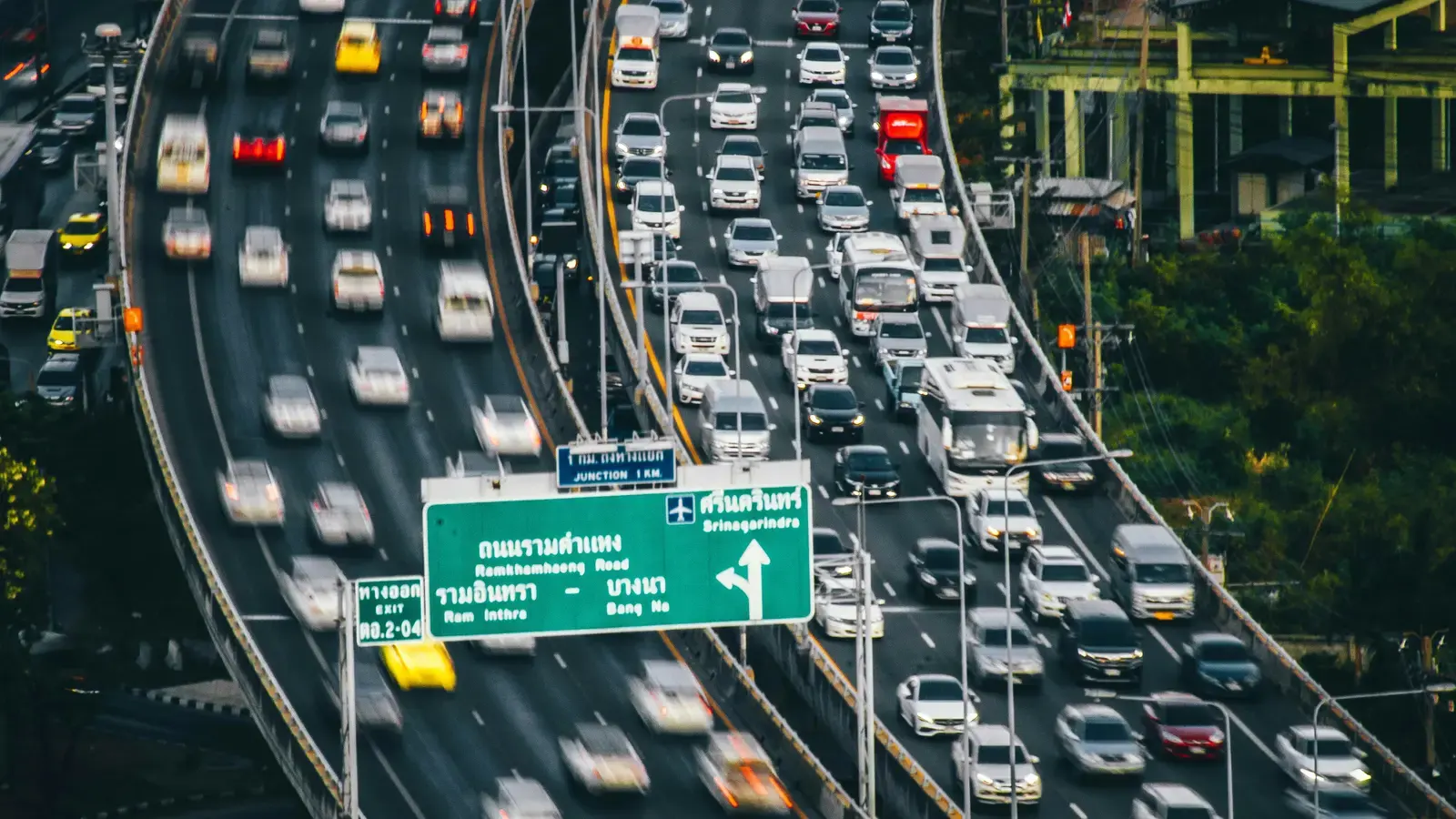
Thailand divides sharply into places where a hire car transforms the trip and places where it is an active hindrance. The northern loops around Chiang Mai and Mae Hong Son, the national parks, the quieter stretches of both coasts and the drives inland are all much better with your own vehicle. Bangkok is not. Getting this split right is most of the decision. For the general method, start with how to rent a car abroad without overpaying.
The licence question, and why it matters more here
Thailand expects foreign drivers to hold the correct permit alongside their national licence, and roadside licence checks are routine rather than exceptional. Which permit applies depends on the country that issued your licence, so check your own government's guidance and obtain whatever it specifies before you travel.
The reason to take this seriously is not the check itself but what sits behind it. Driving without the document the law requires can put you outside the terms of your cover — including travel insurance — at exactly the moment you most need it to work. That is a far larger exposure than any roadside consequence, and it applies whether you are in a car or on two wheels.
Car or scooter
Renting a scooter is cheap, ubiquitous and the default image of a Thai trip, and it is also where visitors are most often injured and least often covered. Many travel policies exclude motorcycle riding outright, or cover it only if you hold the appropriate licence category for the machine and wear a helmet — conditions that a great many holiday riders do not actually meet. Read your own policy's wording on motorcycles before you rent one, not after.
A car is the more conservative choice for anything beyond short local hops, particularly with luggage, in the wet season, or on unfamiliar roads. If you do want two wheels for part of the trip, hire them through a proper supplier with documented cover rather than an informal arrangement — the brands we work with are listed on our live offers page.
Partner
Rentalmotorbike.com
Scooters to adventure bikes from rental suppliers in over 95 countries, Thailand included, with a stated price-match guarantee — check the cover that comes with the bike before you book.
Driving on the left, and the roads
- Thailand drives on the left. If that is unfamiliar, plan a gentle first leg rather than collecting a car into heavy traffic.
- Main highways between provinces are generally good and straightforward; secondary and mountain roads are narrower, steeper and less forgiving.
- Traffic mixes cars, pickups, scooters and occasionally livestock, and the practical rule is to drive defensively and leave more space than feels necessary.
- Avoid long rural drives after dark, where lighting is limited and unlit vehicles are common.
- In the rainy season, surface water and reduced visibility make journey times unreliable — plan fewer kilometres per day rather than the same ones faster.
Bangkok is the case against
Bangkok traffic is severe, parking is difficult and expensive, and the city's rail and river transport reach most of what a visitor wants far more quickly than a car will. The sensible pattern is to arrive and depart without a vehicle and collect one only when leaving the city, or better, to fly to the region you actually want to drive and hire there. That also spares you the worst introduction to left-hand driving imaginable.
Tolls, fuel and parking
Thailand has tolled expressways, concentrated around Bangkok and on some of the routes leading out of it, collected at booths as you pass rather than by a ticket taken at one end. Keep small notes and coins within reach for them, because fumbling for payment in a queue is the wrong moment to discover you only have large notes. Elsewhere the main highways between provinces are free to use, so tolls are a Bangkok-and-approaches consideration rather than a nationwide one.
Fuel stations are attended, well distributed on the main routes and frequently open long hours, though the picture thins in the mountains and the far north. State the fuel type and the amount and check the pump is zeroed before it starts, as you would anywhere with attended service. Parking is generally straightforward outside Bangkok, with shopping centres and hotels offering secure car parks that are worth using overnight in preference to a street space, particularly with luggage aboard.
When to go, and how far to plan
Thailand's seasons do not arrive at the same time everywhere, and the coasts on either side of the peninsula have their wet periods at different points in the year — which is a scheduling advantage rather than an obstacle if you know it before booking. The practical effect on a driving trip is that the same dates can mean easy roads on one coast and standing water on the other, so choose the region to suit the month rather than assuming the country has one season.
Whatever the month, plan fewer kilometres a day than the map suggests. Journey times are governed by what is on the road rather than the distance along it, mountain sections in the north cut average speeds sharply, and the whole point of hiring a car here is the stopping — the markets, the temples, the viewpoints and the roadside food that a bus goes straight past. An itinerary with slack in it is the one that uses the car properly.
Islands and ferries
Many of the islands are reached by ferry, and the same rule applies here as anywhere: taking a hire car across usually requires the supplier's prior permission and is prohibited outright by some. Ask the specific question and get the specific answer before you plan a route around it. In most cases the simpler pattern is to leave the car on the mainland and hire locally on the island if you need something there at all — several islands are small enough that you will not.
Before you sign at the desk
- Carry your national licence and whatever permit your government specifies — both, every time you drive.
- Check what your travel policy says about driving, and separately about motorcycles, before you rent either.
- Settle your excess cover in advance rather than at the counter — see car rental insurance explained.
- Photograph the car from every angle before driving away and again on return, including wheels, roof and windscreen.
- Confirm the fuel policy on the agreement matches the one you booked, and take full-to-full where offered.
- Ask which charges can arrive after the rental has ended — see avoid hidden car rental fees.
Getting the best rate
Rates vary widely between suppliers at the same airport, and the spread at the leisure airports is wider than at Bangkok. Compare car hire in Thailand on DiscoverCars, read the reviews for the specific pick-up location rather than the brand, and hold a full-to-full, free-cancellation rate you can re-shop as the dates approach.
Partner
DiscoverCars
Compare Thailand car-hire deals across the major rental companies in one search — free cancellation on most bookings.
Travelling on elsewhere in Asia? See car hire in Japan, and keep maps and messaging working between provinces with a travel eSIM.
Continue Reading
More from the Journal


Continue in this collection
Travel Planning
Budgeting, insurance and concierge services, judged on what they do when a trip goes wrong.
Travel Guides
Destination guides written to be used on the ground: where to stay, eat, and what to skip.

5-Star Hotels
What actually earns the fifth star, and which properties are coasting on one they were given years ago.