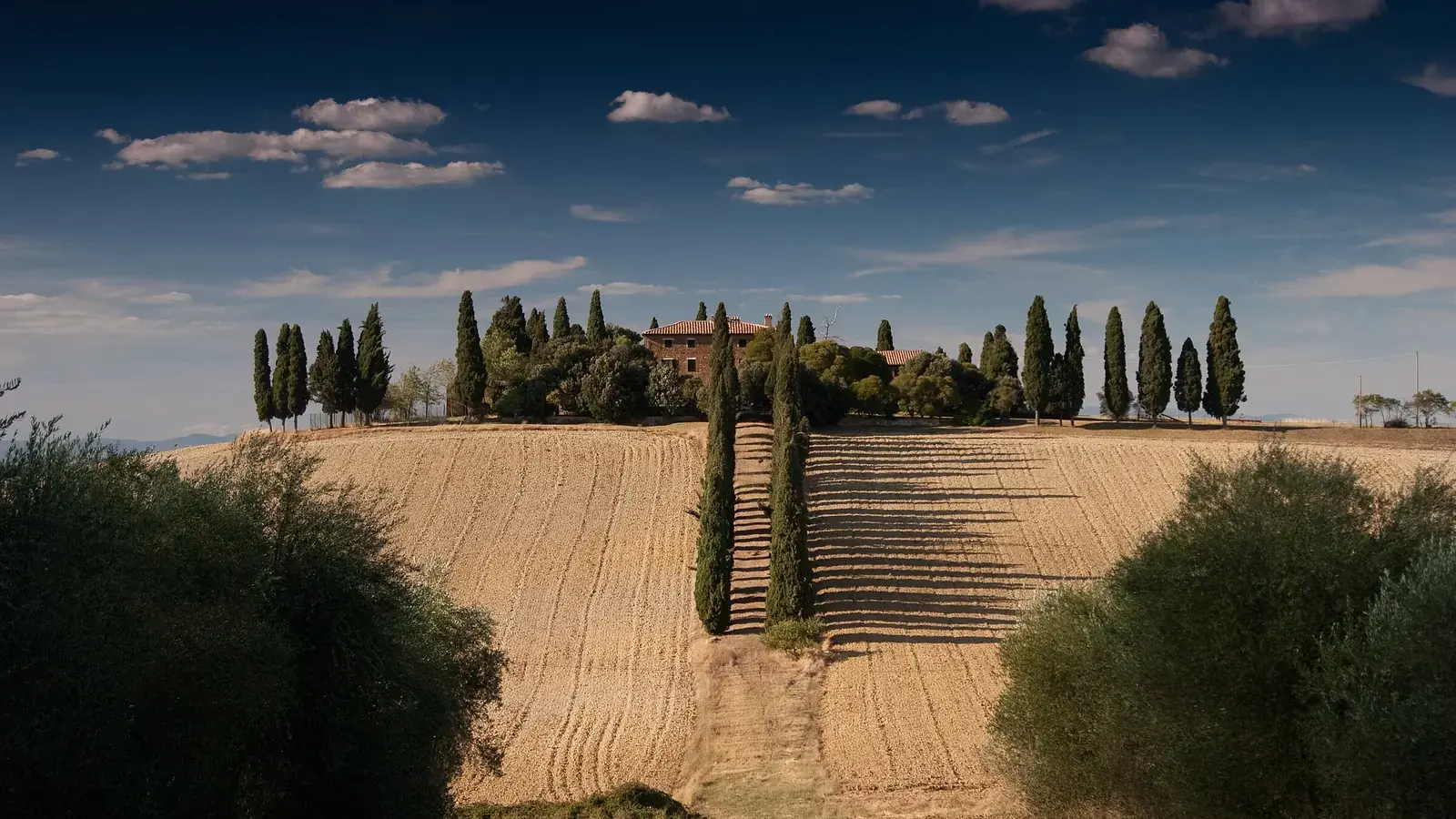
Car Hire in Italy: What to Know Before You Book
ZTL zones, autostrada tolls, and getting the best rate
Car hire in Italy: ZTL zones, the number-one gotcha, plus tolls, fuel, parking by line colour, choosing the car, and where a car helps or hinders.
By NorwegianSpark Editorial — written with AI assistance and reviewed by the NorwegianSpark SA editorial team.
A hire car turns Italy into a road trip — Tuscany's hill towns, the Amalfi Coast, the lakes — but a few local quirks catch first-time drivers out, and the fines are real. Here is what to know before you book, plus how to get the best rate. For the general method, start with how to rent a car abroad without overpaying.
ZTL zones — the number-one gotcha
Most historic city centres have a ZTL (Zona a Traffico Limitato) — a restricted zone that only permit-holders may enter, monitored by cameras. Drive into one unknowingly and a fine follows you home months later, often via the rental company plus an admin charge. The fix is simple: park outside the centre and walk in, and never follow a satnav blindly into an old town. Your hotel can advise on the nearest legal parking.
A few details make the ZTL rule workable rather than frightening. The cameras read the number plate and the notice goes to the registered keeper, which is the rental company, so the charge reaches you months later with the supplier's administration fee attached to each notice. Many hotels inside a restricted zone can register a guest's plate for the arrival and departure window, which is the legitimate way in — but it has to be arranged in advance, with the exact plate, and confirmed. Ask before you arrive rather than at the reception desk with the car already parked.
The classic mistake is following the vehicle in front through a gate on the assumption that if they can, you can. They may be a resident, a taxi, a delivery vehicle or a registered guest. Treat the sign, not the traffic, as the instruction. And do not trust a navigation app to know or care: many will route you straight through a restricted zone unless you have explicitly told them not to, and the setting is not on by default.
Tolls, fuel and transmission
- Autostrada motorways are tolled — take the ticket on entry and pay on exit (cash or card lanes; avoid the yellow Telepass-only lanes).
- Most hire cars in Italy are manual; automatics exist but are fewer and pricier, so book early if you need one.
- Choose a full-to-full fuel policy and fill up before returning the car near the airport.
Two things about Italian forecourts are worth knowing before you need them. Many stations offer both attended and self-service pricing on the same pump, with the attended option charging more per litre for the convenience; the self-service option is the cheaper of the two and requires you to pay at the machine, sometimes in advance. And outside towns, stations can keep restricted hours and close for a long midday break, with unattended automatic payment the only option in between — which is a poor moment to discover that a machine will not take your card.
Parking, by the colour of the lines
Italian on-street parking is signalled by the colour painted on the road, and the convention is consistent enough to rely on. Blue lines indicate paid parking, generally through a nearby meter or an app, with the ticket displayed on the dashboard. White lines indicate free parking where it is permitted, though local restrictions and street-cleaning days can still apply. Yellow lines indicate spaces reserved for a specific purpose or group — residents, loading, disabled permit holders, buses — and are not available to you regardless of how empty they look. Read the sign at the head of the row, because a colour without its accompanying sign is only half the rule.
Choosing the car for the country
Italy is the destination where the temptation to size up costs you most. Hill-town lanes, medieval gateways, multi-storey car parks built for the cars of forty years ago and village streets with parked cars on both sides all reward the smallest vehicle that will genuinely carry your luggage. Book the class that fits the bags, not the class that fits your idea of a holiday car. If you need an automatic, book it as early as you can and treat it as the constraint around which everything else is chosen, because the automatic fleet at Italian leisure airports is a fraction of the manual one and it disappears first.
Rules that are easy to miss
- Fines from cameras arrive months later through the rental company, with a separate administration fee for each notice.
- Some routes and regions impose winter equipment obligations during a defined part of the year — confirm what your car must carry for the roads you plan to use.
- Taking a hire car onto a ferry, including to the islands, often requires prior permission and is prohibited by some suppliers entirely.
- Whether you need an International Driving Permit alongside your national licence depends on the country that issued your licence — check your own government's guidance rather than the rental company's.
- Headlight and seatbelt rules, and restrictions on where children may sit, are enforced and are not relaxed for visitors.
Where a car helps, and where it does not
The honest version of this advice is that Italy is two countries as far as driving is concerned. Between the cities — Tuscany's back roads, the Umbrian hills, the Dolomites, the Puglian coast — a car is transformative and there is no substitute for it. Inside the cities it is a liability: restricted zones, expensive overnight parking, and a rail network good enough that the drive is the slow option. The best-structured Italian trip usually collects the car when leaving the first city and returns it on arriving at the last, which also neatly avoids several days of parking charges.
The Amalfi Coast deserves its own caveat. The coast road is spectacular, narrow, busy in season and short of parking, and many visitors find the drive more stressful than scenic; our Amalfi Coast guide covers when it is worth it. Inland Tuscany is the opposite case, where the car is the whole point — see the Tuscany villa rental guide for how the two fit together.
Partner
Winedering
Atrivm, in Montalcino, is the kind of estate a car unlocks: a tasting with local produce on the hills of the Val d'Orcia, the sort of visit that only works when you are driving. Bookable with the winery through Winedering.
Getting the best rate
Prices at Italian airports vary widely between suppliers, and summer demand in tourist regions pushes them up — so compare early and hold a free-cancellation rate. Compare car hire in Italy on DiscoverCars, check the supplier's reviews for your specific airport, and sort your excess cover in advance rather than at the desk (see car rental insurance explained).
Partner
DiscoverCars
Compare Italy car-hire deals across the major rental companies in one search — free cancellation on most bookings.
Also heading to Spain or beyond? See car hire in Spain, car hire in Greece and car hire in Portugal, and keep your phone connected on the drive with a travel eSIM for Europe.
Continue Reading
More from the Journal
Continue in this collection
Travel Planning
Budgeting, insurance and concierge services, judged on what they do when a trip goes wrong.

Travel Guides
Destination guides written to be used on the ground: where to stay, eat, and what to skip.

5-Star Hotels
What actually earns the fifth star, and which properties are coasting on one they were given years ago.