
How to Book Luxury Travel for Less: Our 7-Step System
Seven proven strategies for booking five-star travel without the five-star price tag — grounded in research, not guesswork.
Book 4–6 months ahead for peak-demand luxury properties
The best luxury properties in the world have limited inventory — a boutique hotel with 20 suites fills up fast during high season. Booking four to six months in advance gives you the widest selection and often the best rates, because hotels release their room blocks at standard pricing before dynamic algorithms push prices higher as availability shrinks. This is especially true for iconic properties like Aman resorts, Four Seasons lodges, and overwater bungalows in the Maldives, where peak-season availability can vanish six months or more before arrival. Early booking also gives you leverage to request specific room categories, floor preferences, or connecting rooms that simply will not be available closer to the date.
📸 What to look for: Set calendar reminders for 6 months before your target travel dates to start searching — this avoids the panic of last-minute bookings.
Travel shoulder season for the same experience at a fraction of the cost
Shoulder season is the sweet spot between peak and off-season, and it is the single most effective way to save on luxury travel. In the Mediterranean, this means May or October instead of July and August — the weather is still beautiful, the sea is warm enough to swim, restaurants are open, but hotel rates drop 30–50 percent and popular sites have a fraction of the crowds. In Southeast Asia, early November or late March offers similar advantages. The key is understanding the specific destination’s season patterns: some places have a very narrow peak while others spread demand more evenly. You get the same hotel, the same room, the same service — just at a significantly lower price and with a more relaxed atmosphere.
📸 What to look for: Search Google Flights with flexible dates to see the cheapest flight windows, then match those against hotel shoulder-season rates.
Fly into secondary airports near luxury destinations
Major international airports near luxury destinations charge airlines higher fees, which are passed on to you in ticket prices. Secondary airports often offer dramatic savings and, surprisingly, can be closer to your final destination. Flying into Girona instead of Barcelona, Bergamo instead of Milan, or Montego Bay’s smaller terminals instead of Kingston can save hundreds per person while cutting your transfer time. Budget and low-cost carriers frequently serve these secondary airports, making business-class on a short-haul flight surprisingly affordable. The savings compound when you are travelling as a family or group. Research the ground transfer from the secondary airport to your hotel — in many cases it is a shorter, more scenic drive through countryside rather than urban motorway congestion.
📸 What to look for: Check whether your hotel offers complimentary or discounted airport transfers from the secondary airport — many luxury resorts do.
Book flights and accommodation separately
Package deals that bundle flights and hotels together are convenient but rarely offer the best value for luxury travel. Airlines and hotels both use dynamic pricing, and their cheapest rates rarely align on the same booking window. By booking separately, you can grab a flight deal when airlines run a sale and then book your hotel when the property offers a direct-booking promotion or loyalty rate. You also retain more flexibility: if you find a better flight, you can change it without losing your hotel booking. The exception is all-inclusive luxury resorts that offer genuine fly-and-stay packages with charter flights — these can offer good value because the resort controls both elements. For everything else, separate bookings win on price almost every time.
📸 What to look for: Use flight comparison tools to set price alerts, then book the hotel direct once you have locked in flights.
Use activity platforms instead of hotel concierge services
Hotel concierge desks provide a wonderful service, but they come with a significant markup — typically 30–50 percent above what you would pay booking the same experience directly or through a dedicated activity platform. A sunset sailing trip, a private cooking class, or a guided archaeological tour will almost always be cheaper when booked through platforms that specialise in curated experiences. The quality is often identical because the concierge is simply reselling the same local operator’s product with their own commission added. Browse activity platforms well before your trip, read reviews, and book in advance for popular experiences that sell out. Save the concierge for last-minute requests, restaurant reservations, and local recommendations where their on-the-ground knowledge is genuinely valuable.
📸 What to look for: Screenshot the experience details from the platform and show them to the concierge — they may price-match or offer an alternative they know to be better.
Ask for room upgrades at check-in
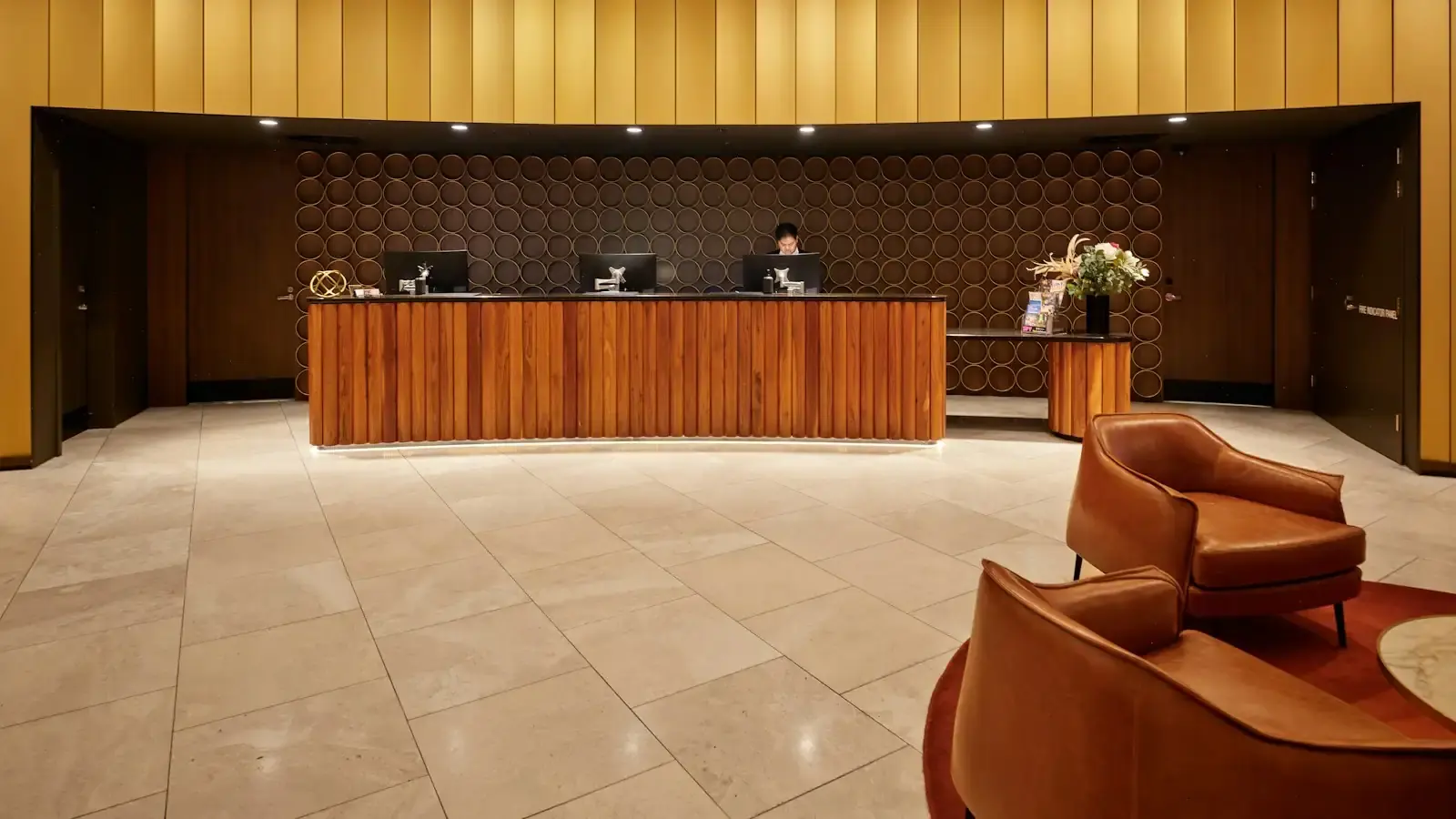
This strategy costs nothing and succeeds more often than most people realise. Hotels manage unsold room inventory dynamically, and a higher-category room sitting empty on a Friday evening generates zero revenue. Politely asking at check-in whether an upgrade is available — especially if you mention a celebration, a first visit, or loyalty membership — gives the front desk a reason to move you up. Friday arrivals tend to work best because weekend leisure guests often book standard rooms while suites remain empty. The key is to be friendly, patient, and gracious whether the answer is yes or no. Never demand or act entitled. You can also email the hotel a few days before arrival mentioning any special occasion — this plants the seed before you even arrive at the desk.
📸 What to look for: If the hotel cannot upgrade your room, ask if they can add a complimentary late checkout or breakfast instead.
Stack loyalty points, hotel status, and credit card benefits
The real savings in luxury travel come from compounding multiple benefit layers. Start with a travel credit card that earns points on every purchase and offers travel-specific perks like airport lounge access, travel insurance, and no foreign transaction fees. Then enrol in hotel loyalty programmes for the chains you use most — even occasional stays accumulate towards status tiers that unlock free breakfast, suite upgrades, and late checkout. Use airline alliance programmes to earn miles across partner carriers. The compounding effect is powerful: your daily spending earns credit card points, your hotel stays earn loyalty points, your flights earn miles, and your elite status earns perks that would otherwise cost hundreds per night. Over a year of normal spending, a well-chosen credit card alone can fund a free luxury hotel night.
📸 What to look for: Focus on one hotel chain and one airline alliance rather than spreading loyalty across many — concentration accelerates status and rewards.
Ready to Get Started?
Browse our trusted partners for the best rates and experiences.
Curated by Thomas Lovas Lokoy · Last updated: April 2026
From the Journal





Continue in this collection

Travel Planning
Budgeting, insurance and concierge services, judged on what they do when a trip goes wrong.

Travel Guides
Destination guides written to be used on the ground: where to stay, eat, and what to skip.

5-Star Hotels
What actually earns the fifth star, and which properties are coasting on one they were given years ago.