
All-Inclusive vs Classic Luxury Hotel
Two formats, and how to know which suits your trip
All-inclusive or a classic luxury hotel? Where each wins, the arithmetic almost nobody runs, the cost that is not money, and the middle ground most miss.
By NorwegianSpark Editorial — written with AI assistance and reviewed by the NorwegianSpark SA editorial team.
It Comes Down to How You Travel
The choice between an all-inclusive resort and a classic luxury hotel is really a choice about how you like to spend a holiday. All-inclusive suits travellers who want to settle into one place, switch off, and never think about a bill — the format earns its keep when you intend to eat, drink, and relax on the property for most of the stay. A classic luxury hotel suits explorers who want a base from which to roam: different restaurants each night, a city or coastline to discover, and a room that is a sanctuary rather than the main event. Neither is superior; they reward opposite instincts.
Where All-Inclusive Wins
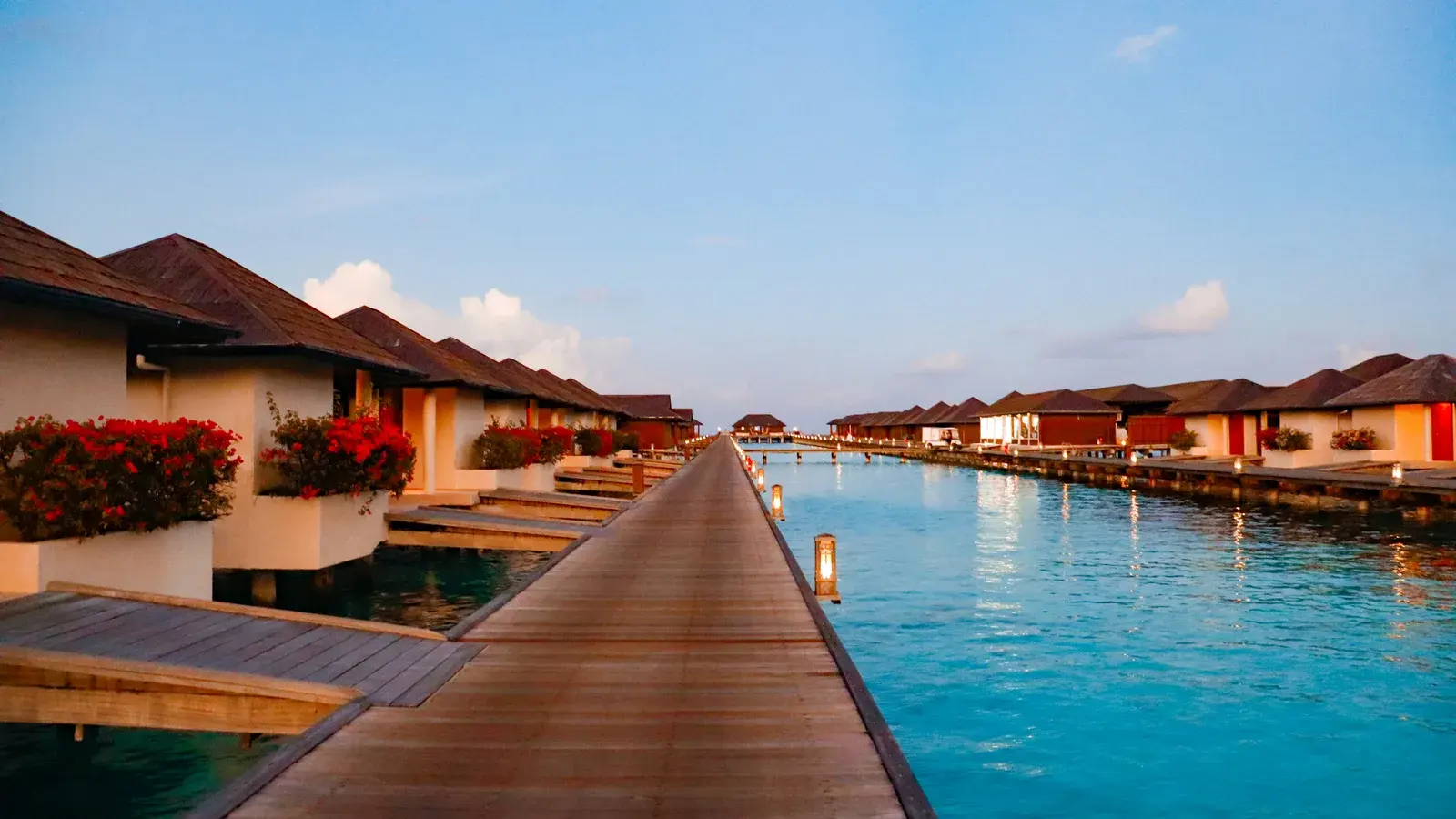
In beach destinations where the resort is the destination — the Caribbean, Mexico, parts of the Indian Ocean — all-inclusive is often the better luxury. The best properties, collections like Ocean Hotels and Excellence Resorts, run real à-la-carte kitchens, premium bars, and butler-serviced suites, so the bundle buys genuine quality rather than compromise. For families and groups especially, the fixed price removes the daily friction of decisions and tabs. We map the strongest options in our Caribbean all-inclusive guide.
“All-inclusive is not a downgrade — in the right setting, it is simply luxury with the friction removed.”
Where a Classic Hotel Wins
In cities and culturally rich destinations, a classic luxury hotel is almost always the right call. You want to eat where the locals eat, wander the streets, and treat the hotel as a refined home base rather than a walled compound. The same is true anywhere the surrounding area is the reason you came — Italy's hill towns, a great European capital, or a coastline meant for exploring. If you would resent being tethered to one property's restaurants, choose the hotel. Still torn for a group trip? Our villa versus hotel guide adds the private-rental option to the comparison.
Partner
Ocean Hotels
The Arithmetic Almost Nobody Runs
The two formats are usually compared on room rate alone, which is the one comparison that cannot be made. An all-inclusive nightly rate and a room-only nightly rate are different objects. The honest method is to build a realistic day at the classic hotel and price it: the room, breakfast if it is not included, a mid-morning coffee, lunch, dinner with a bottle of wine, two drinks by the pool, the water and the minibar, and whatever transport you need to reach anywhere worth eating. Multiply that by the number of nights, add it to the room rate, and only then set it against the all-inclusive number. Do it honestly — with the wine you would actually order, not the cheapest on the list — and the result surprises people in both directions. In a beach destination with captive-market restaurant prices, the bundle frequently wins outright. In a city with a genuine food scene at every price point, it rarely does, because you would never have spent that much on the hotel's own restaurants in the first place.
The Cost That Is Not Money
There is a second column in the ledger, and it is the one that decides most trips. All-inclusive buys away decisions, which is a real luxury after a hard year and a real loss if you enjoy making them. It also creates a quiet gravitational pull: once dinner is paid for, leaving the property to eat starts to feel like paying twice, and by day four most guests have stopped going out. That is fine when the property is the destination. It is a slow disappointment when the destination was the destination. The classic hotel imposes the opposite discipline. Every meal is a decision and a transaction, which is tiring with small children and delightful in a city you want to eat your way through. Ask yourself which of those two failure modes you would rather have, because you are choosing between them whether or not you frame it that way.
The Middle Ground Most Travellers Miss
The choice is not actually binary, and the intermediate options are underused. Half board — breakfast and dinner included, lunch free — suits travellers who want to explore by day and not think by night, and it is common in Mediterranean and island properties. Room-and-breakfast with a resort or dining credit gives you a floor of included value while leaving you free to spend it where you like. Many luxury hotels sell a club or executive tier that quietly bundles breakfast, an afternoon spread and evening drinks, which for two people eating and drinking normally can be better value than the same hotel's all-inclusive equivalent would be. And some all-inclusive resorts sell an upgraded tier — a privilege or club level — that adds premium spirits, a private lounge and better restaurant access to the base package. Ask what the tiers actually contain rather than assuming the highest one is the best value; frequently the middle tier is.
Where Each Format Fails
All-inclusive fails when the property cannot support it. A resort selling eight restaurants but staffing two kitchens produces eight menus of the same food, and a reservation system that opens on the day rather than before arrival will hand you the buffet on four of your seven nights. It also fails for travellers who eat unusually — restricted diets are handled far better à la carte than by a mass-catering operation. The classic luxury hotel fails when it is isolated. A beautiful property an hour from the nearest town, sold on room-only terms, will charge captive-market prices for every meal and every drink, and you will pay them because there is no alternative. That combination — remote location plus room-only pricing — is the single worst value in luxury travel, and it is common. Check what is within walking distance before you assume a classic hotel gives you freedom.
- Price a realistic day at the classic hotel before comparing it with any all-inclusive rate
- Check what is within walking distance of a room-only property — isolation plus room-only is the worst-value combination there is
- Ask an all-inclusive how many kitchens it runs, not how many restaurants it lists
- Find out when à-la-carte reservations open; a same-day system means the buffet, whatever the brochure says
- Compare the club or privilege tier against the base package; the middle tier is often the best value
- If anyone in the party has a restricted diet, weight the decision heavily toward à-la-carte dining
The Counter-Argument Worth Hearing
The strongest case against all-inclusive is not about food or money at all; it is that the format quietly narrows what a holiday can be. A week inside one property is a week of one place's opinion about how to relax. The strongest case for it is equally honest: decision fatigue is real, holidays are short, and there are years when the correct luxury is to be told where dinner is. Both arguments are true, and which one applies to you changes from trip to trip rather than being a fixed preference. We have chosen differently for two consecutive holidays in the same year without either choice being wrong. Where the format lands you in the Caribbean specifically is covered in our Caribbean all-inclusive guide and the adults-only-or-family question in our guide to choosing between them. If the real question underneath is space rather than catering, the answer may be neither format — see private villa versus hotel.
Partner
Excellence Resorts
For adults-only, all-inclusive beach stays, Excellence Resorts is one of our first stops — premium dining and suites with the bill already settled.
Continue Reading
More from the Journal





Continue in this collection

5-Star Hotels
What actually earns the fifth star, and which properties are coasting on one they were given years ago.

Luxury Destinations
Where to go and, more usefully, when — season, crowding and what closes out of it.
Travel Planning
Budgeting, insurance and concierge services, judged on what they do when a trip goes wrong.