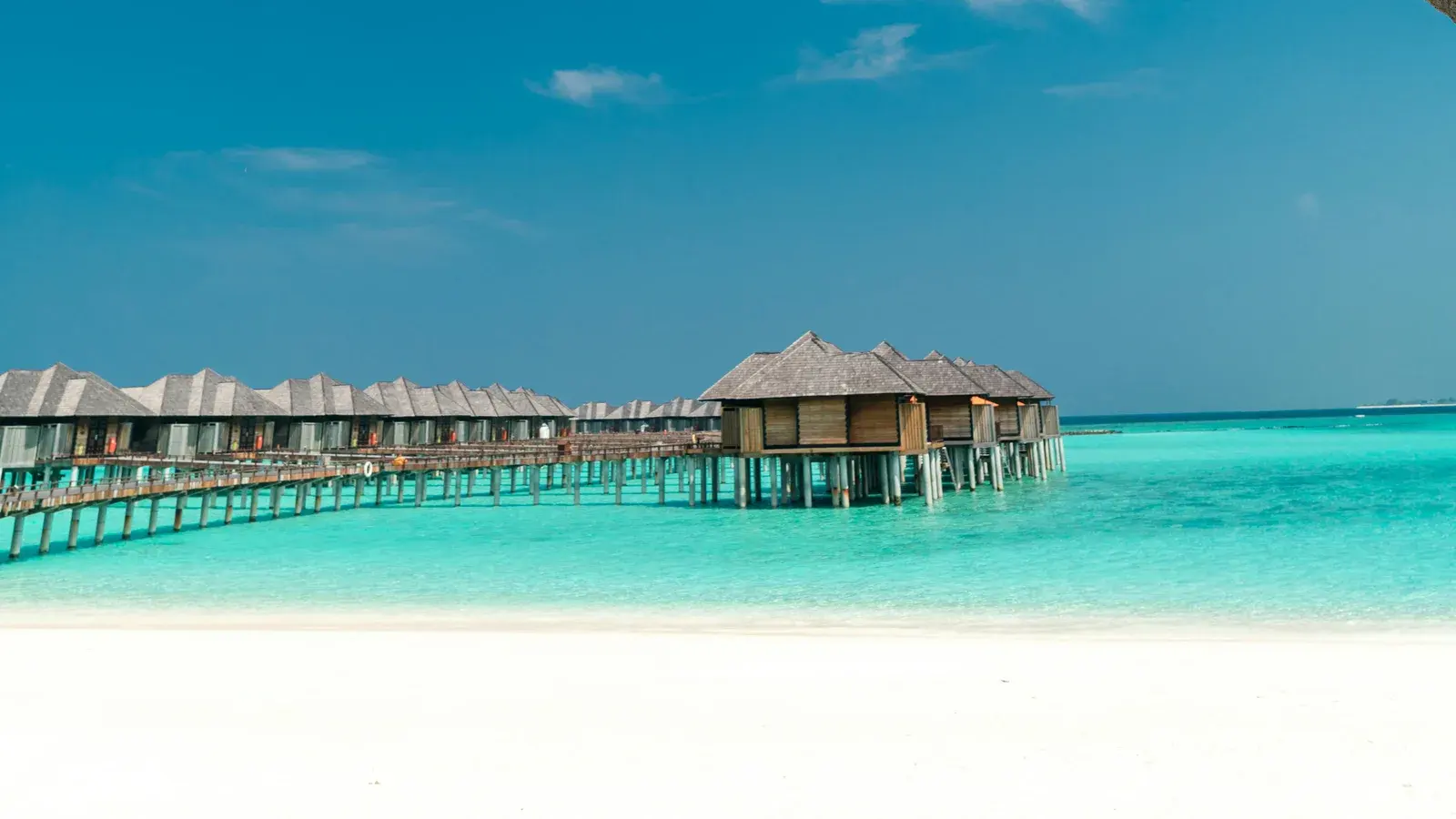
Best Private Villa Destinations 2026: Ranked by Market, Not Scenery (Part 2 of 3)
Every shortlist is beautiful — what varies is whether the local market can deliver
Where to rent a villa in 2026: Tuscany, Provence, Bali, Mykonos and Marrakech judged on six market tests, plus how to vet a villa and spot a rental scam.
By Thomas Lovas Lokoy — researched and drafted with AI assistance from published sources; edited and published by NorwegianSpark SA. Editorial policy.
This is Part 2 of a three-part series. Part 1 settles whether a villa is the right instrument at all, and finishes on one conclusion this page is built from: what predicts a good villa week is not the house, it is whether a competent local management layer sits behind it. Part 3 runs the framework through one region in full.
The short answer to where to rent a villa: Tuscany for food, countryside and the most reliable quality floor; Provence and the Luberon for villages within a short drive; Bali for value, because the villa usually arrives staffed; Mykonos for sea views with restaurants and nightlife close by, in season only; and Marrakech for staffed riads and villas in the cooler months. Below is why, region by region — and, further down, how to find a good villa once you have picked the region.
So this is not a list of beautiful places. Every region anyone shortlists is beautiful, which makes scenery useless as a way of choosing between them. What varies enormously — and what decides whether the week works — is the structure of the local rental market.
Partner
Abritel (HomeAway FR)
The six things that actually vary between villa destinations
Judge a region on these before you judge it on photographs. They are the difference between a market that can deliver a villa week and one where you are gambling on an individual house.
- Depth of professionally managed stock — Are there agencies running portfolios year-round, or is the inventory mostly second homes let casually by absent owners?
- Presence of a local management layer — Someone in the region, contactable, who holds keys and knows a plumber. This is Part 1's conclusion and it is the single most important line here.
- A registration regime — Where lets must be registered with the commune or municipality, you get a real consumer protection and a filter against the least serious operators.
- Car dependence and distance to essentials — Minutes to a supermarket, a pharmacy and a restaurant, on roads you would drive after dark.
- Seasonality, and how sharp the cliff is — Some regions run a long, gentle shoulder season; others close almost overnight, taking the restaurants and the staff with them.
- Staffing norms — Whether a cook, daily housekeeping or a pool service is standard, an extra, or simply unavailable locally.
A region can score well on all six and still be wrong for your trip. But a region that scores badly on the first three is where villa weeks go wrong, regardless of how good the individual listing looks.
Tuscany
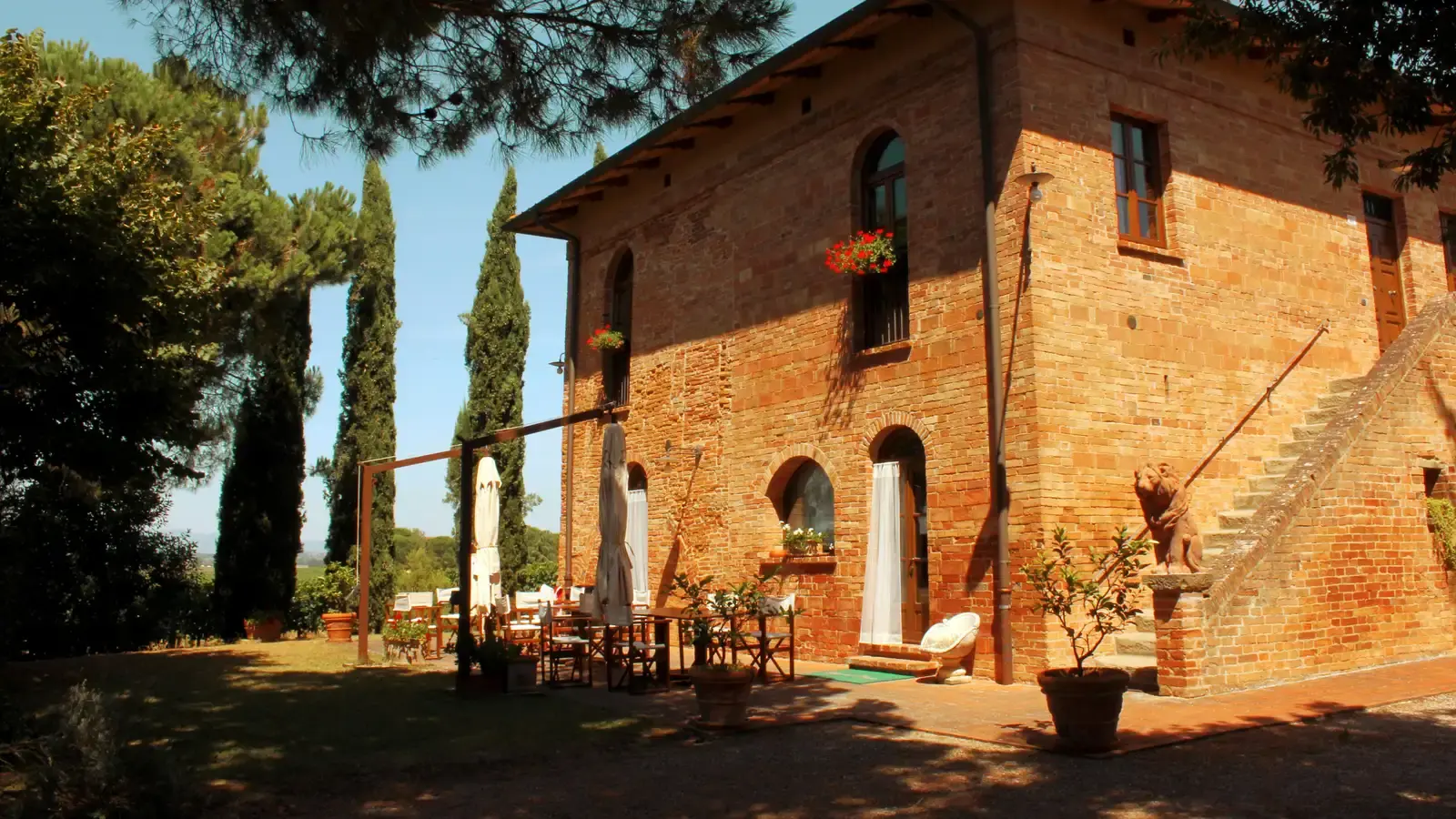
The reference case for a deep, mature villa market. Stock is genuinely large and much of it is professionally managed by agencies that have been doing it for decades, which is exactly the layer Part 1 argues for. Restored farmhouses dominate, usually with land, usually with a pool, usually a real drive from anywhere.
That drive is the honest caveat. Tuscany rewards a group willing to cook, drive and stay put for a week or more; it punishes anyone expecting to walk to dinner. The shoulder seasons are long and mild, which makes it one of the few regions where a villa outside peak months is comfortable rather than a compromise.
What a week actually looks like: a supermarket run on arrival, most dinners cooked or eaten at one of a handful of village restaurants within a twenty-minute drive, and one or two longer day trips. The villa is the destination and the region is the excursion, which is the reverse of how most people plan it and the reason short Tuscany villa stays disappoint.
Best for: groups of six or more, seven nights or longer, at least two confident drivers.
Partner
Winedering
Terra Antica, outside Montepulciano, serves a premium lunch with its own wines on the estate — one of the two longer day trips the week above allows for. Bookable with the winery through Winedering.
Provence and the Luberon
A similar market shape to Tuscany with a different texture: stone houses, hilltop villages close enough together that a villa is a base rather than an island, and an agency layer with real depth. France's registration requirements for short lets also mean the serious end of the market is documented in a way it is not everywhere.
The variable most people miss is wind. The mistral is a structural feature of the region, not bad luck, and it decides whether the terrace — the thing you are paying for — is usable. It is one of several reasons this region gets the full worked example in Part 3.
Best for: couples travelling together, families, anyone who wants villages within a short drive rather than total isolation.
Bali — Canggu, Ubud and the south
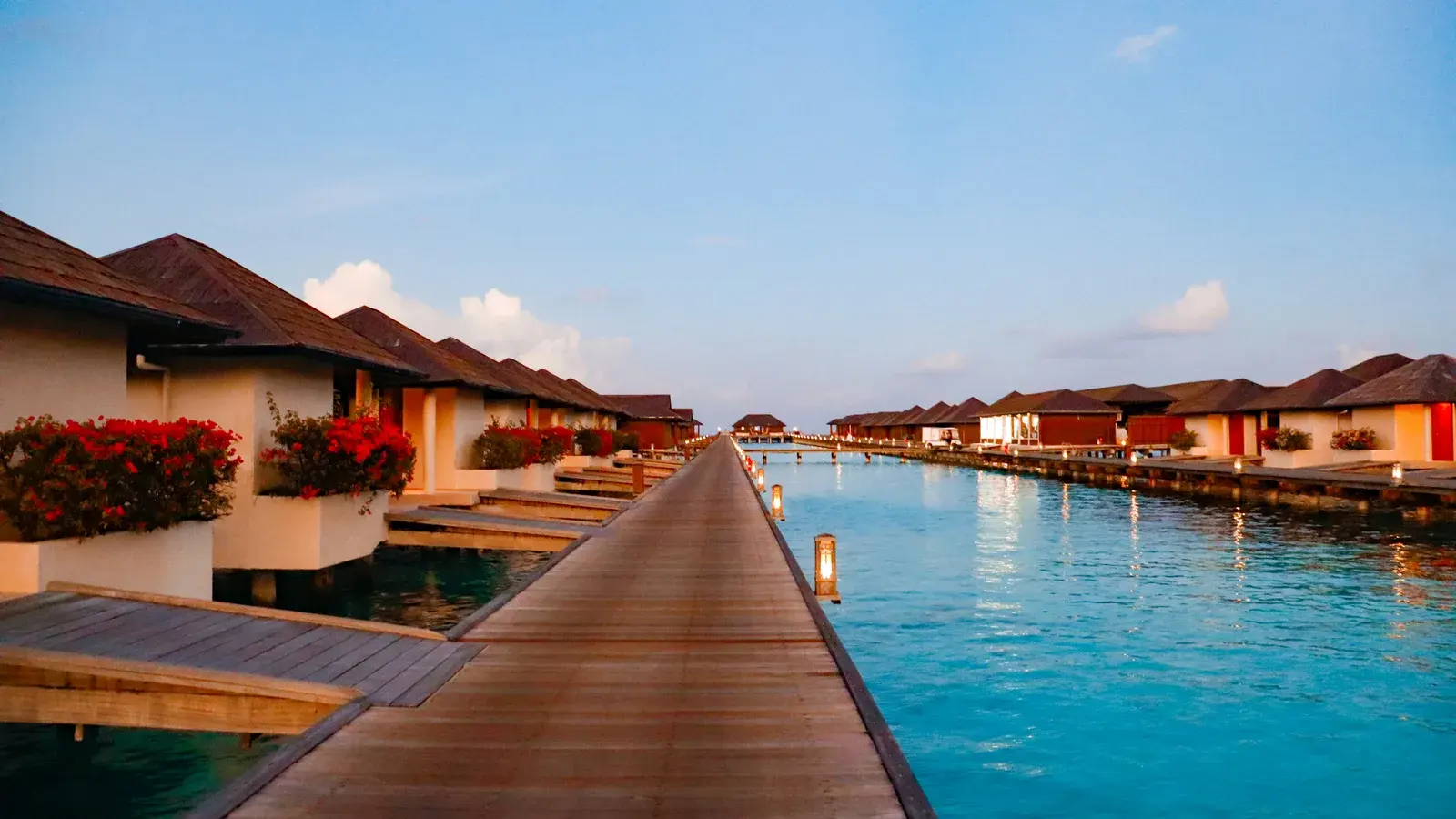
The deepest villa stock of any destination on this list, and the one where the management question matters most, because the range between the top and bottom of the market is enormous. The best properties come with staff as standard — housekeeping daily, often a cook — which changes the arithmetic in Part 1 considerably, since services you would pay a hotel for are inside the villa price.
The counterweight is that photographs travel further from reality here than almost anywhere. Traffic between areas is the other thing to research honestly before booking: two places that look adjacent on a map can be an hour apart at the wrong time of day, which turns a restaurant plan into a commute.
What a week looks like here is different from Europe: staff arriving each morning, meals that can be cooked for you in your own kitchen, and a rhythm much closer to being hosted than to self-catering. That is the reason the loaded comparison in Part 1 so often lands on the villa side in Bali and so often does not in Tuscany — you are not just renting space, you are buying service that would be a hotel line item.
Best for: long stays, remote workers, groups who want staffed service at villa prices.
Mykonos and the Cyclades
A market built almost entirely around a short, intense season, which is the defining fact about it. In season the infrastructure is excellent and the management layer is real. Outside it, a great deal simply closes, and a villa can leave you isolated in a way the same property in Tuscany would not.
Villas here also skew towards the view rather than the land — dramatic positions, steep access, and a car that is not optional. Check the access road specifically, not the distance, because the two are unrelated on a Cycladic hillside.
The other Cycladic variable is that villa and town are further apart than they look. If the plan involves evenings out, the drive back is on unlit roads and somebody has to not drink — a constraint that quietly reshapes the whole week and is never mentioned in a listing.
Best for: groups, in season, who want the island's social life and are using the villa as a base rather than the destination.
Marrakech
A distinct market shape: the riad in the medina and the villa in the Palmeraie are different products with different economics, and conflating them is the standard mistake. Staffing levels are typically the highest on this list relative to price, which again shifts Part 1's loaded-cost comparison towards the villa side.
The trade is that you are furthest from a self-catering model here — the appeal is being looked after, not cooking for yourself — and the summer heat is a genuine constraint on when the outdoor space you are paying for is usable.
The riad-versus-villa choice maps almost exactly onto Part 1's recourse argument. A riad in the medina puts you inside the city with staff on site and nothing to drive; a villa in the Palmeraie puts you in calm and space with a car or a taxi between you and everything else. Groups with children generally want the second; couples on a short trip almost always want the first.
Best for: short-to-medium stays where staffed service is the point, in the cooler months.
Reading a listing: bedrooms, bathrooms and the numbers that mislead
Bedroom count is the number every listing leads with and the number that tells you least. Three things behind it decide how a group actually lives in a house, and none of them appears in the headline.
- How many bedrooms are genuinely private — A "six-bedroom villa" where two rooms are reached through another bedroom is a four-bedroom villa for the purposes of Part 1's arithmetic, because two couples will not take them. Count the rooms with their own door onto a hallway.
- How many bathrooms are en suite, and where the others are — A house with one shared bathroom on the sleeping floor produces a queue at eight in the morning that no amount of terrace makes up for.
- Whether the beds are doubles or twins, and whether they convert — This decides which groups the house actually suits, and it is the detail most often wrong in listings copied between platforms.
Apply this before the per-bedroom calculation in Part 1, because it changes the denominator. A property that looked good value at six bedrooms frequently is not at four.
Seasonality is a structural fact, not a weather forecast
Every region on this list has a peak, and what differs is what happens on either side of it. That difference is worth more attention than the average temperature, because it decides whether the shoulder season is a bargain or a trap.
Tuscany and Provence have long, gentle shoulders: the villages stay open, the restaurants keep serving, and staff are still employed. Booking either in the months either side of peak is straightforwardly better value with very little given up, and it interacts well with Part 1's length-of-stay maths — cheaper nights make a longer stay affordable, and a longer stay is what makes the fixed costs disappear.
Mykonos has a cliff rather than a shoulder. Out of season a large share of the island's restaurants, bars and services simply close, and a villa that was a base becomes an isolated house with a spectacular view and nowhere to go. Bali and Marrakech run closer to year-round, but both have a season you would actively avoid — the wet months in one, the high-summer heat in the other — and in both cases what suffers is the outdoor space you are paying the premium for.
“Ask what closes, not what the temperature is. A shoulder season with the restaurants open is a discount; one without them is a different holiday.”
How do you find a good villa? Vetting the property once you have chosen the region
The regional question and the property question are different, and this is the second one. Part 1's pre-deposit checklist covers the operational questions; these are the listing-level signals:
- Cross-check the same property on more than one platform — Booking.com, Abritel and Vrbo — because consistent copy and consistent calendars across platforms is the clearest public evidence of professional management
- Read the reviews from the bottom up, and read the manager's replies more carefully than the reviews; how a complaint was handled tells you what your bad week would look like
- Look for a floor plan or count bedrooms and bathrooms in the photographs; en-suite counts and walk-through bedrooms decide how a group actually lives in a house
- Check the photographs for the same corner shot from four angles, which is how a small terrace is made to look like three spaces
- Confirm the exact location before booking, not the area name — in every region on this list, twenty minutes decides whether you walk to dinner or drive
Red flags
- No named manager, and no answer about who handles a problem out of hours
- Pressure to move the payment off-platform, which removes the only dispute process you had
- Photographs with no wide shot of the exterior, or none of the bathrooms
- A calendar that is mysteriously open in peak week when the whole region is full
- Reviews that praise the location and the host but never mention the house itself
When the answer is still a hotel
Part 1's arithmetic does not stop applying because you have picked a region. A short stay, a couple travelling alone, a first visit somewhere you do not speak the language, or a trip that cannot be repeated — in all four cases the recourse a hotel gives you is worth more than the space a villa gives you, in any of the destinations above.
If that is your trip, the five-star shortlist is here. If it is not, and you want to see the whole framework applied to one region in detail, Part 3 does exactly that with Provence.
Frequently asked questions
- How do I find a good villa?
- Vet the property before you commit rather than after. Check the satellite view to verify the pool, garden and how close the neighbours really are; read the three most recent reviews rather than the overall rating; ask for a video walkthrough if the photographs look too polished; confirm exactly what is included, from cleaning frequency to Wi-Fi speed; verify the cancellation policy and whether a security deposit is a hold or a charge; and ask about noise. One rule overrides all of it: if a host asks you to pay outside the booking platform, walk away. That is the most common villa-rental fraud, and paying off-platform strips away every protection the platform gives you.
- Where is the best place to rent a villa?
- It depends on which of three things you want. Tuscany for food, countryside and the highest quality floor, since the region has rented to this market long enough that weak properties have been competed out. Bali for value, because at a given nightly rate the villa usually arrives staffed. Mykonos for sea views without giving up restaurants and nightlife, since nowhere on the island is much more than a twenty-minute drive. Provence for a slow rural week of markets and long lunches. Marrakech for a riad's courtyard calm behind the medina walls.
- What actually decides the total cost of a villa rental?
- Not the nightly rate, which is the least useful number because what it includes varies more between properties than the rate itself does. Resolve six things before comparing two villas: whether the cleaning fee is one-off or per stay, whether utilities are included (pool heating is frequently a separate and non-trivial daily charge in shoulder season), whether the security deposit is a hold or a charge and when it returns, whether staff are included or optional, whether a tourist tax is collected on arrival, and how many bedrooms are genuinely usable — a listed sleeps-ten with two sofa beds is a sleeps-six.
- When is renting a villa the wrong choice?
- Villas are oversold as a universal upgrade. For stays under about four nights the overhead — the shop, the arrival briefing, the handover, the drive to dinner — eats most of the benefit before you have settled in. For a couple with no interest in cooking, a hotel delivers more of what they actually want. And in a destination where you do not want to drive, a villa is usually the wrong shape of holiday, because villa inventory sits where the roads are, not where the restaurants are. The break-even is roughly a week and a group.
- What are the warning signs of a villa rental scam?
- Properties with no reviews, or only five-star reviews clustered in the same month, which suggests fake or incentivised feedback. A host who is slow to respond before booking, because that pattern will not improve once you have paid. A price far below everything comparable in the destination. And above all, any request to pay outside the booking platform — a bank transfer to a private account, or a messaging-app request to take the conversation off-platform.
Continue Reading
More from the Journal




Continue in this collection

Private Villas & Rentals
When a villa beats a suite, what the staffing really costs, and how to read a rental listing.

5-Star Hotels
What actually earns the fifth star, and which properties are coasting on one they were given years ago.
Travel Planning
Budgeting, insurance and concierge services, judged on what they do when a trip goes wrong.